
Most Instagrammable Places in Edinburgh for Couples
Looking for the most Instagrammable places in Edinburgh? From colourful streets and hidden closes to dramatic viewpoints and classic Edinburgh Castle backdrops, the city has plenty of places that look brilliant in photos.
Claire and I have photographed more than 700 weddings since 2006, including over 500 in Edinburgh, so we’ve spent years exploring the city with our cameras. This guide brings together some of our favourite Edinburgh Instagram spots and photogenic places, including Victoria Street, Circus Lane, Calton Hill, the Vennel, Dean Village, Princes Street Gardens and the Royal Mile.
Whether you’re visiting Edinburgh, planning a proposal, arranging an engagement shoot or simply looking for the best places to take pictures in Edinburgh, these are locations we know first-hand and genuinely enjoy photographing.
If you’re looking for more detailed advice about exact viewpoints, light, crowds, weather and photography routes, see our guide to the best Edinburgh photography locations.
Map of Edinburgh’s Most Instagrammable Places
Use the map to see where each location is in Edinburgh. Click a place name below the map to zoom in, or jump straight to our guide to that location.
- Circus Lane Jump to section ↓
- Victoria Street Jump to section ↓
- Calton Hill Jump to section ↓
- The Vennel Jump to section ↓
- Arthur’s Seat & Holyrood Park Jump to section ↓
- Princes Street Gardens & Ross Fountain Jump to section ↓
- The Royal Mile Jump to section ↓
- New College, The Mound Jump to section ↓
- Dean Village Jump to section ↓
The Most Instagrammable Places in Edinburgh
These are some of the most photogenic places in Edinburgh that we return to again and again, from colourful Old Town streets and classic Castle views to quieter corners of Stockbridge and Dean Village.
Circus Lane
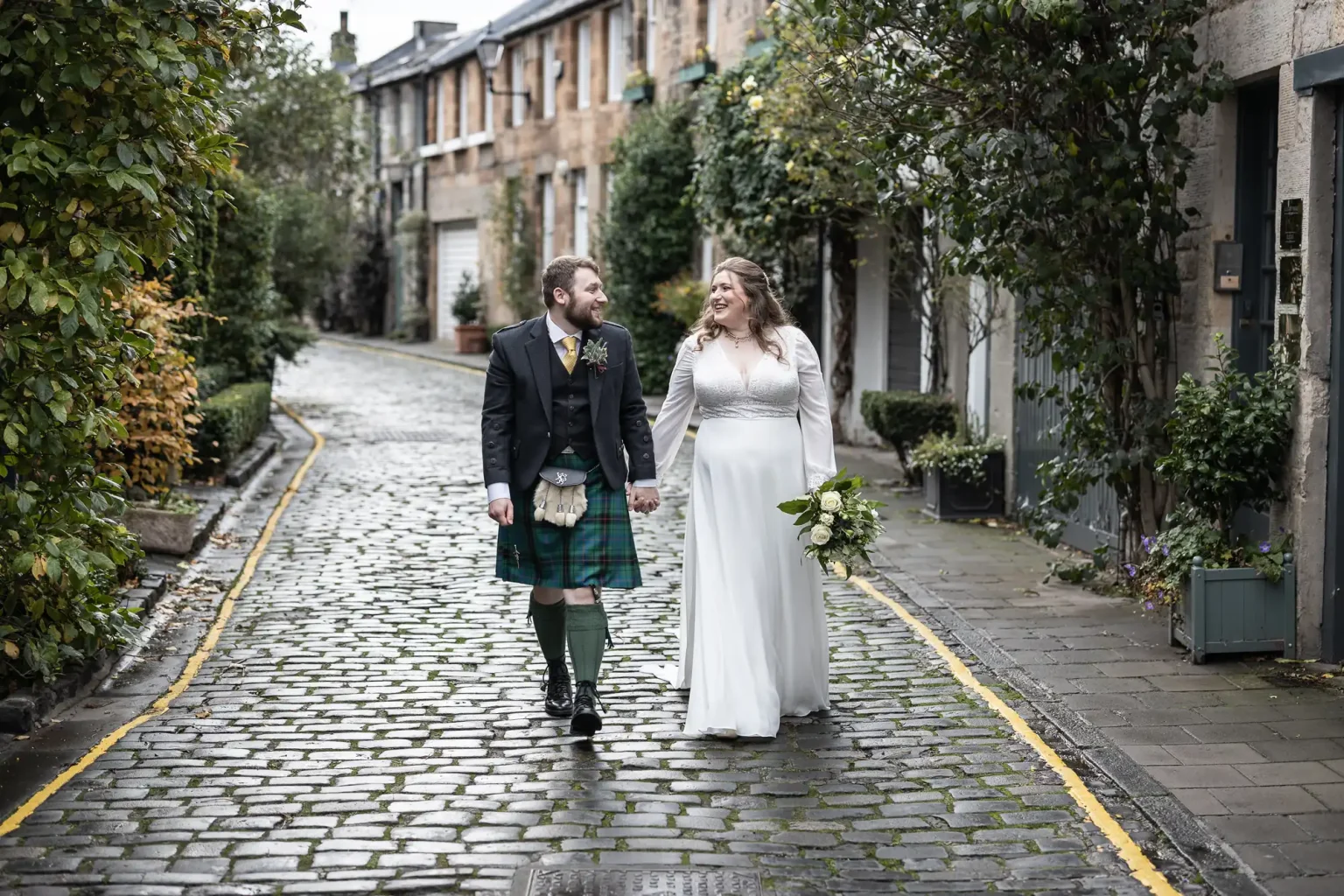
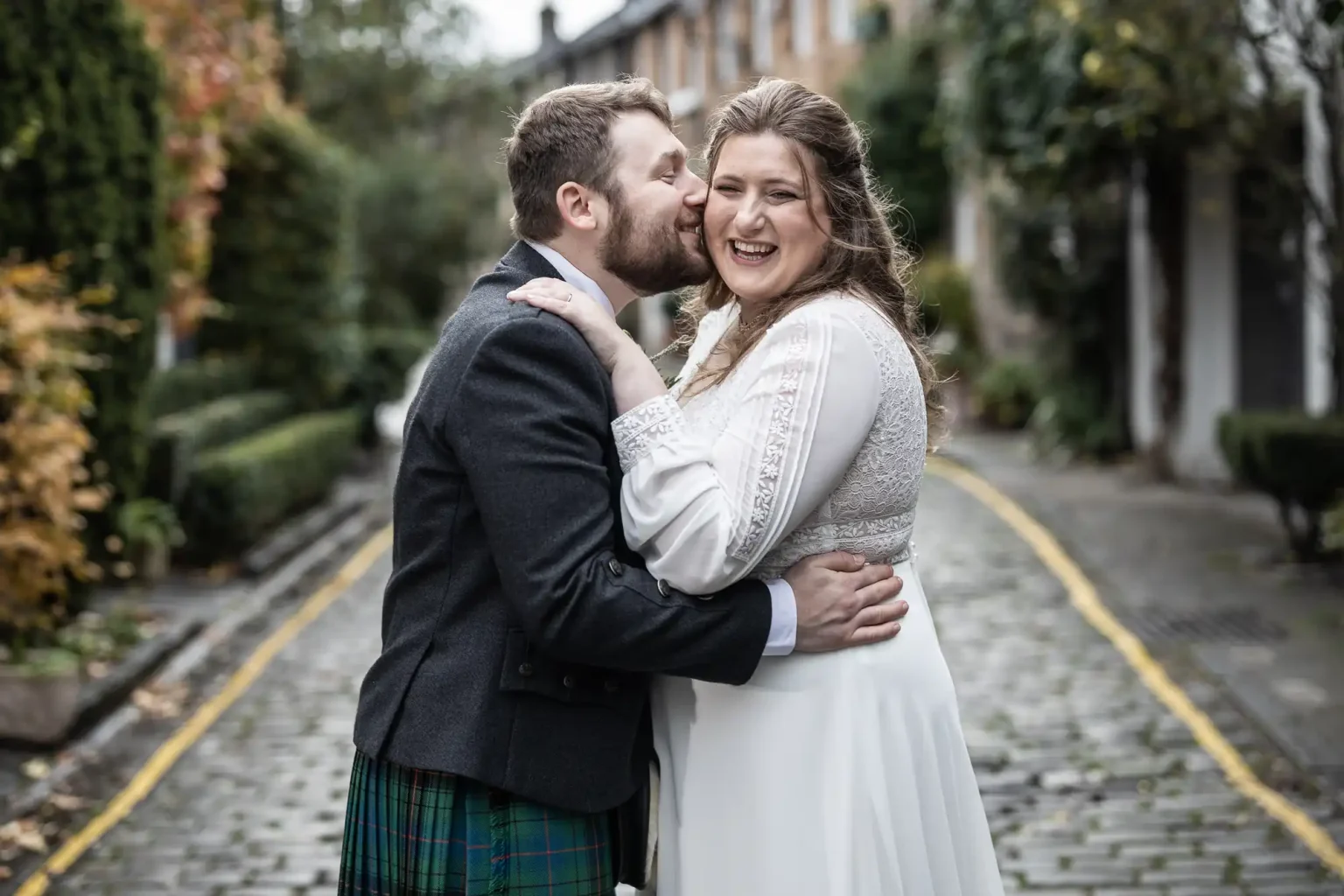
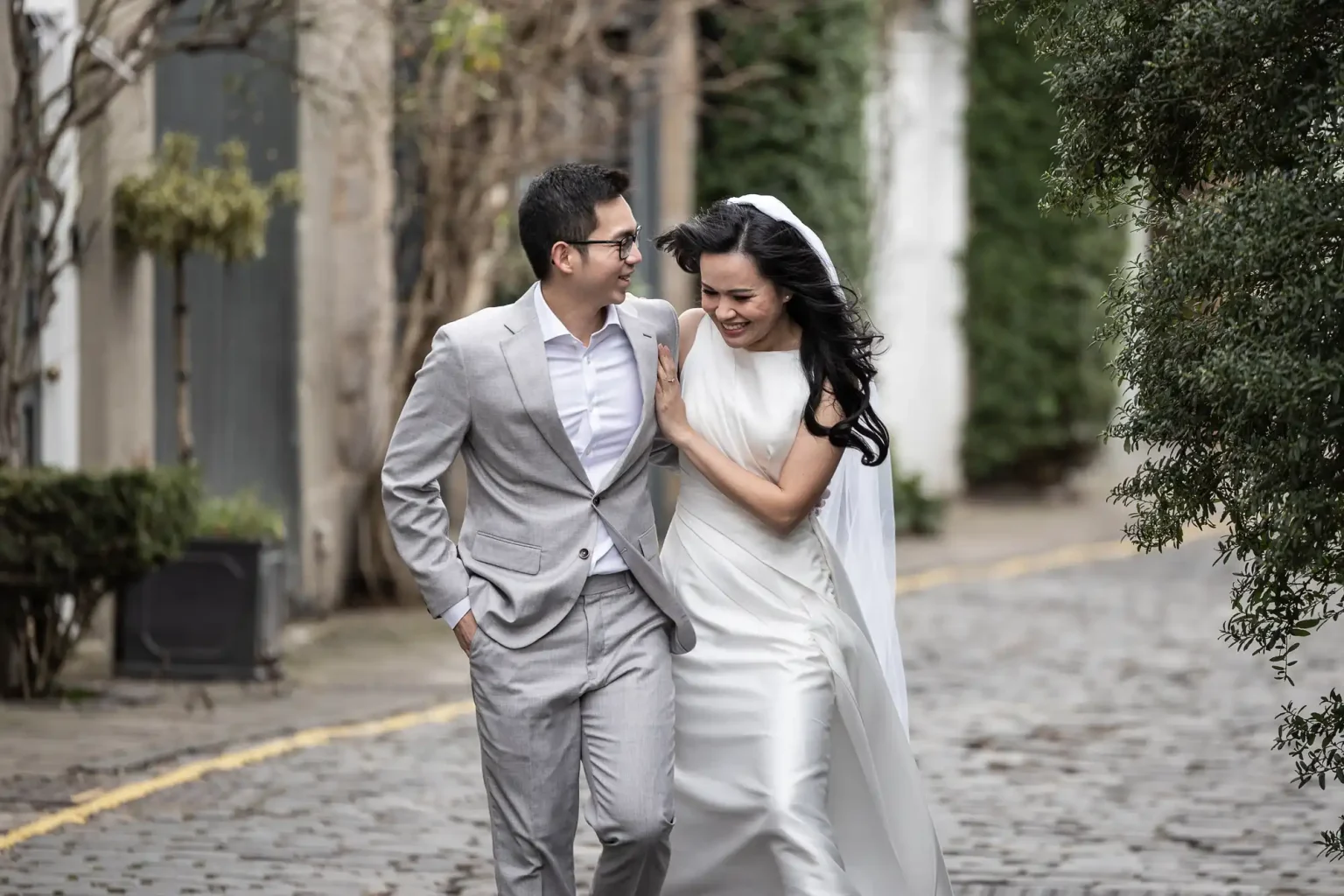
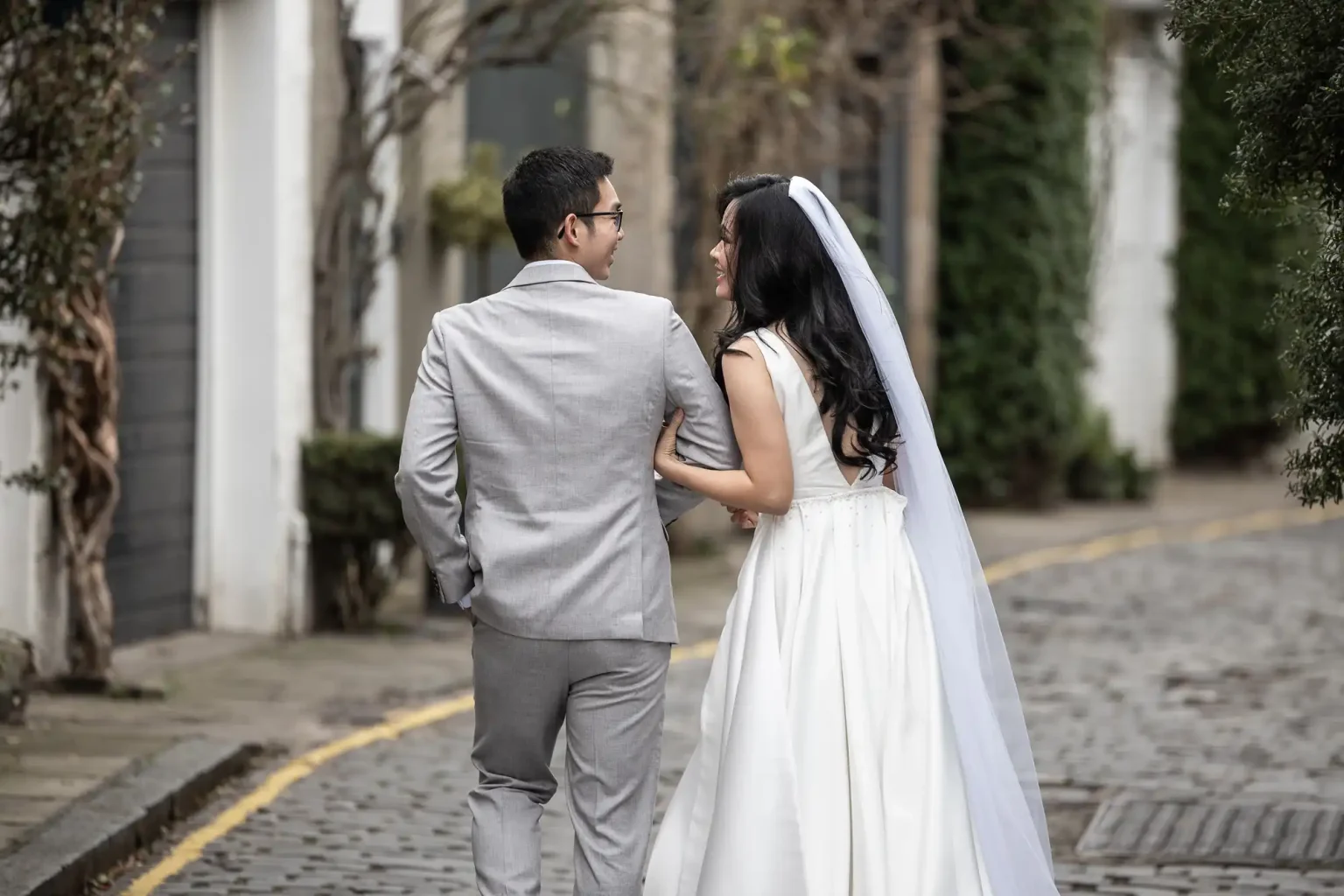
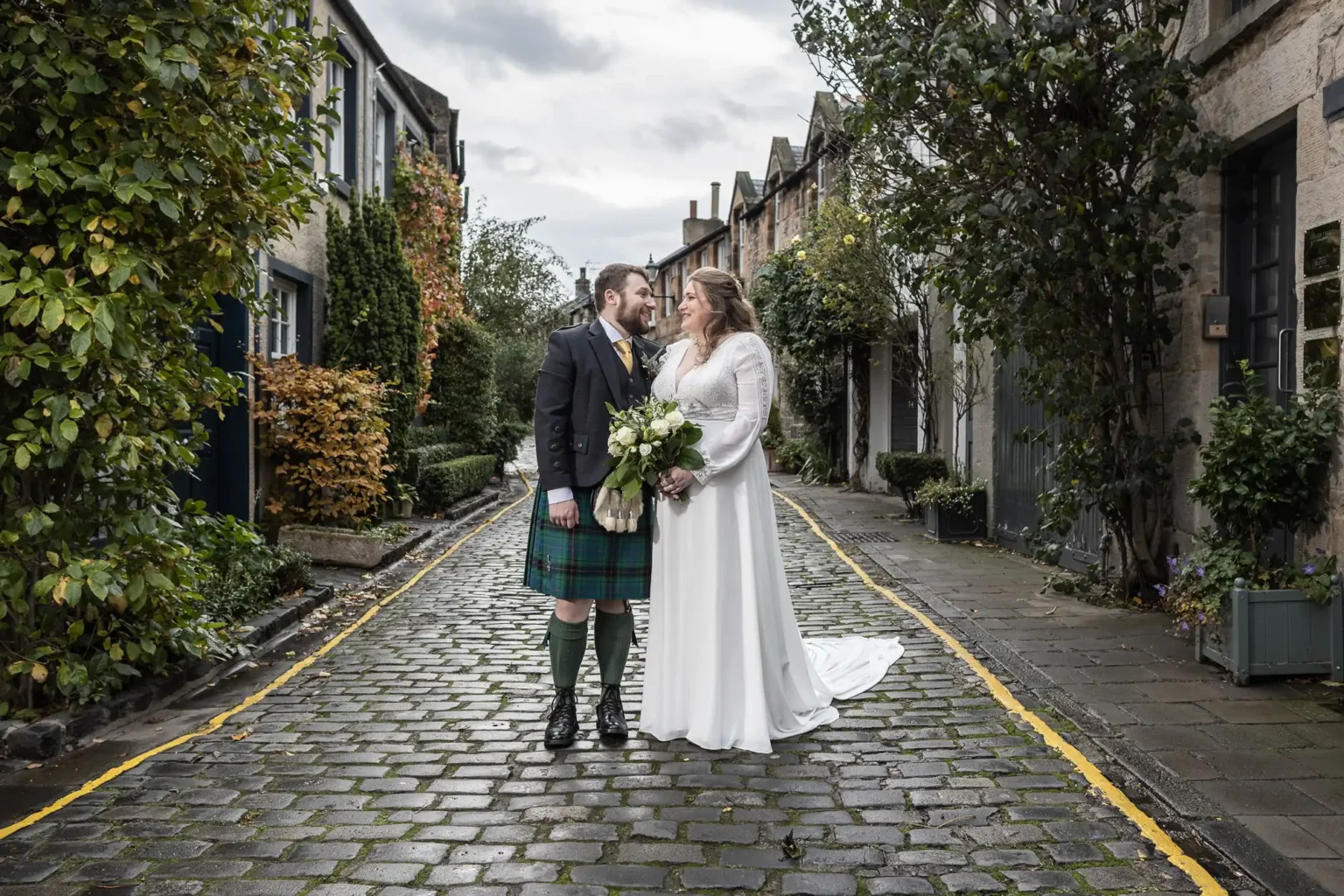
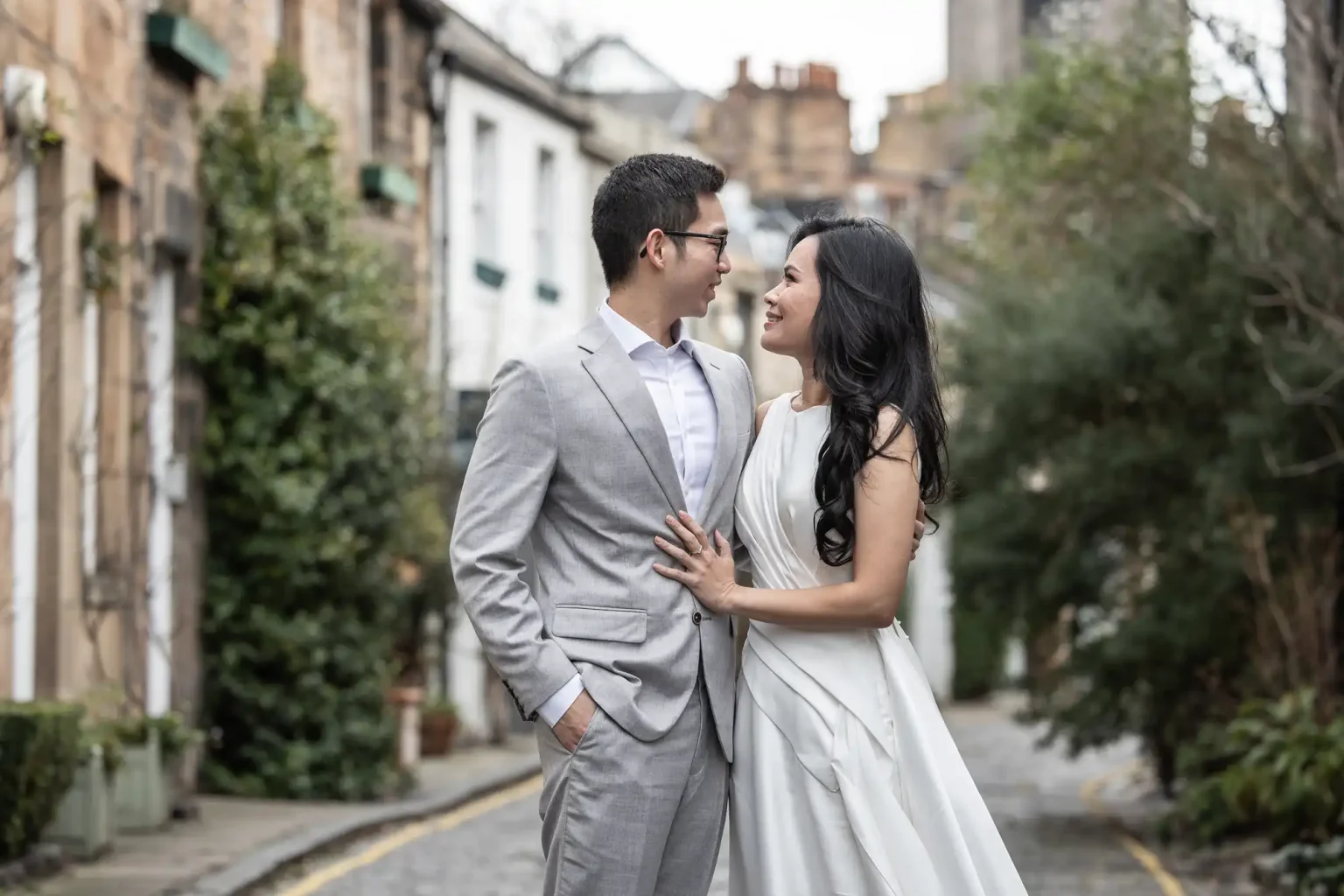
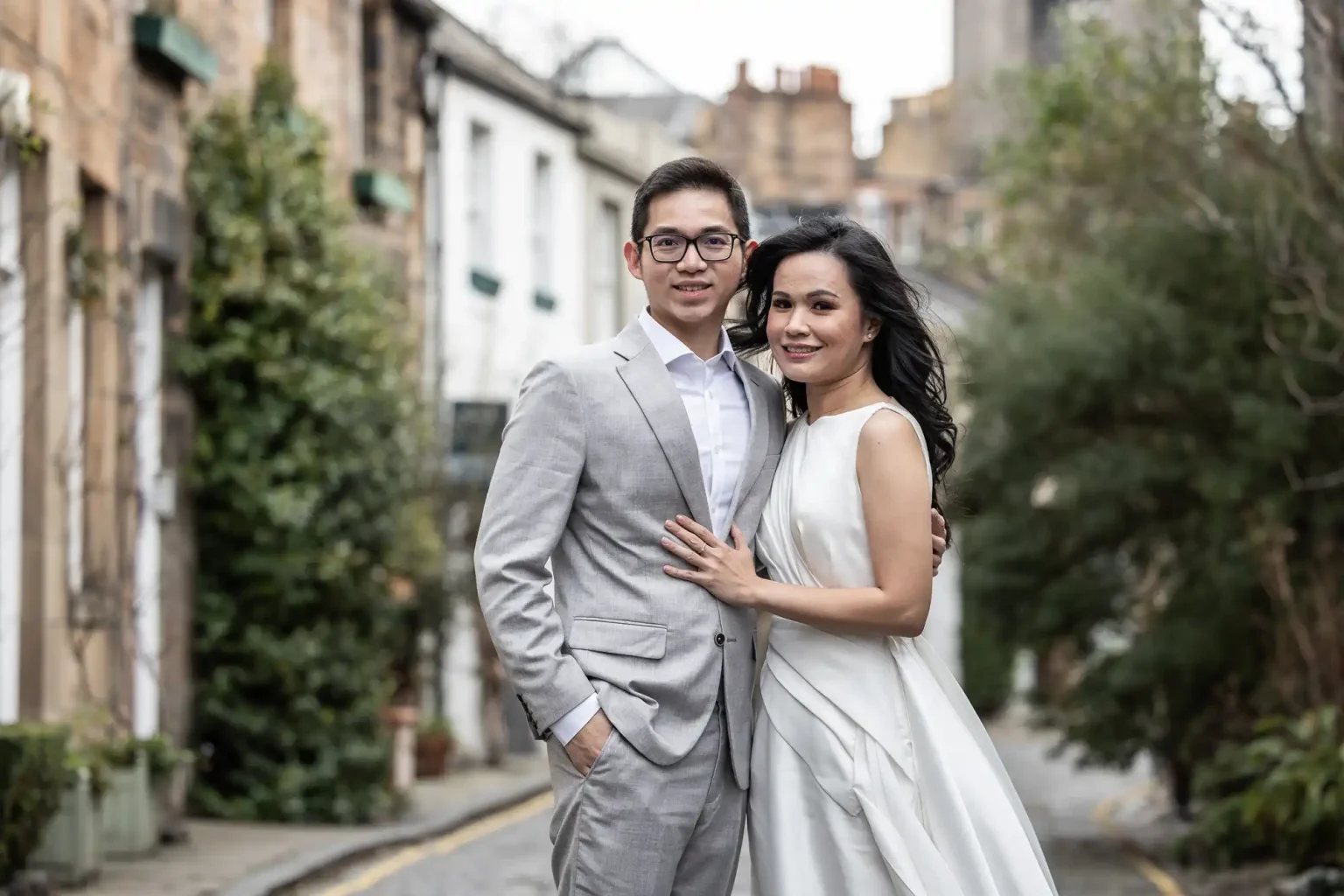
Circus Lane is one of the most Instagrammable streets in Edinburgh, but there’s much more to it than flower-covered cottages and a pretty cobbled curve. Tucked behind Royal Circus in Stockbridge, the lane combines old stone buildings, greenery and the distinctive tower of St Stephen’s rising above the rooftops.
The lane forms part of Edinburgh’s Second New Town, developed during the city’s expansion northwards in the early 19th century. The buildings along Circus Lane were largely created as mews behind the grander houses of Royal Circus, and Historic Environment Scotland describes the north side as the longest continuous row of mews buildings in the Second New Town.
Its unusual curved shape follows the architecture of Royal Circus itself, which helps explain why the lane feels so different from the long, formal Georgian streets found elsewhere in the New Town. Today, the old service buildings have become characterful homes, with painted doors, climbing plants and small gardens softening the stonework.
For visitors looking for photogenic places in Edinburgh, the classic view is along the bend of the lane with St Stephen’s in the background. It’s a beautiful spot, but it’s also a residential street, so we always recommend enjoying it quietly, keeping doorways clear and remembering that people actually live behind those very Instagrammable façades.

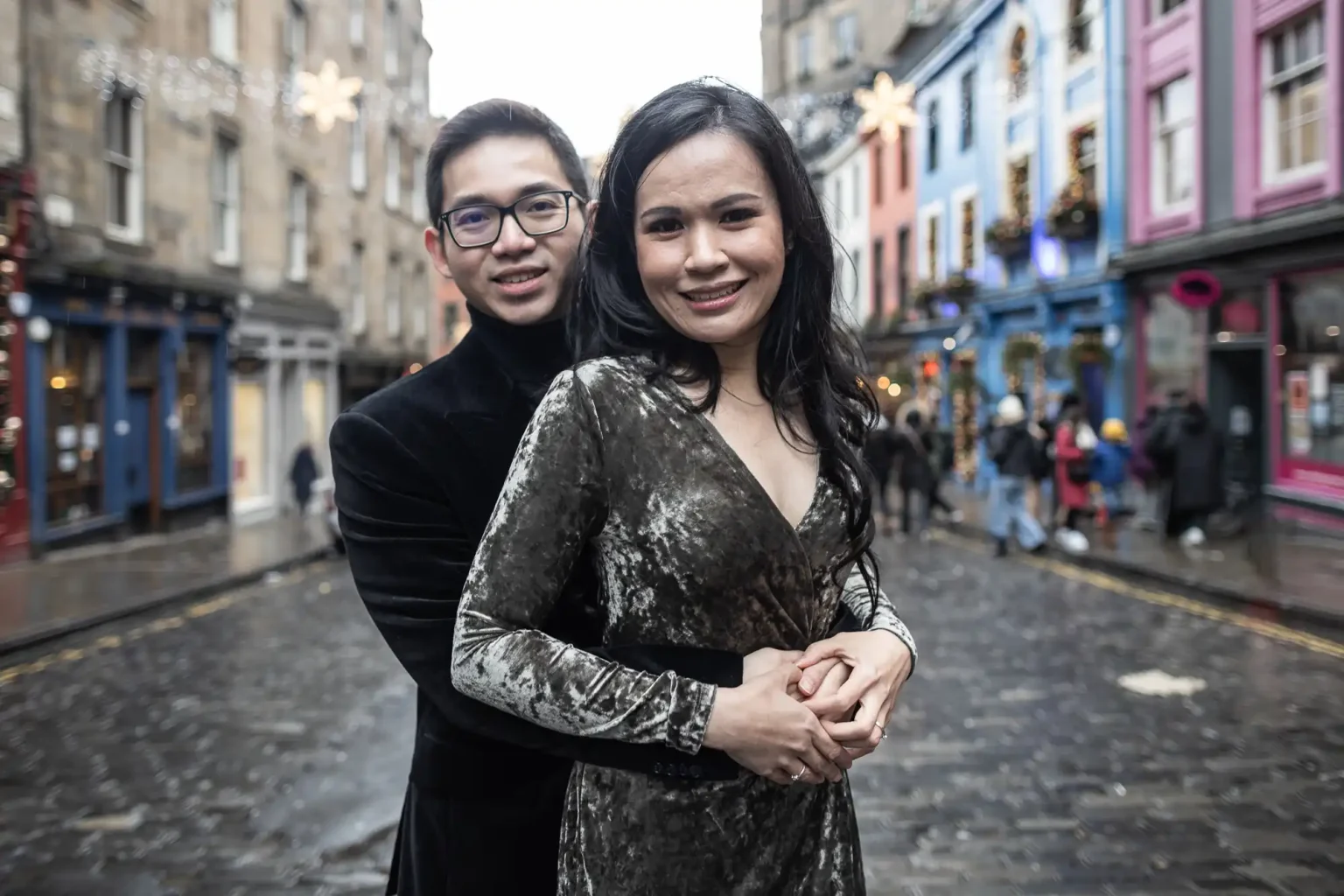
Victoria Street
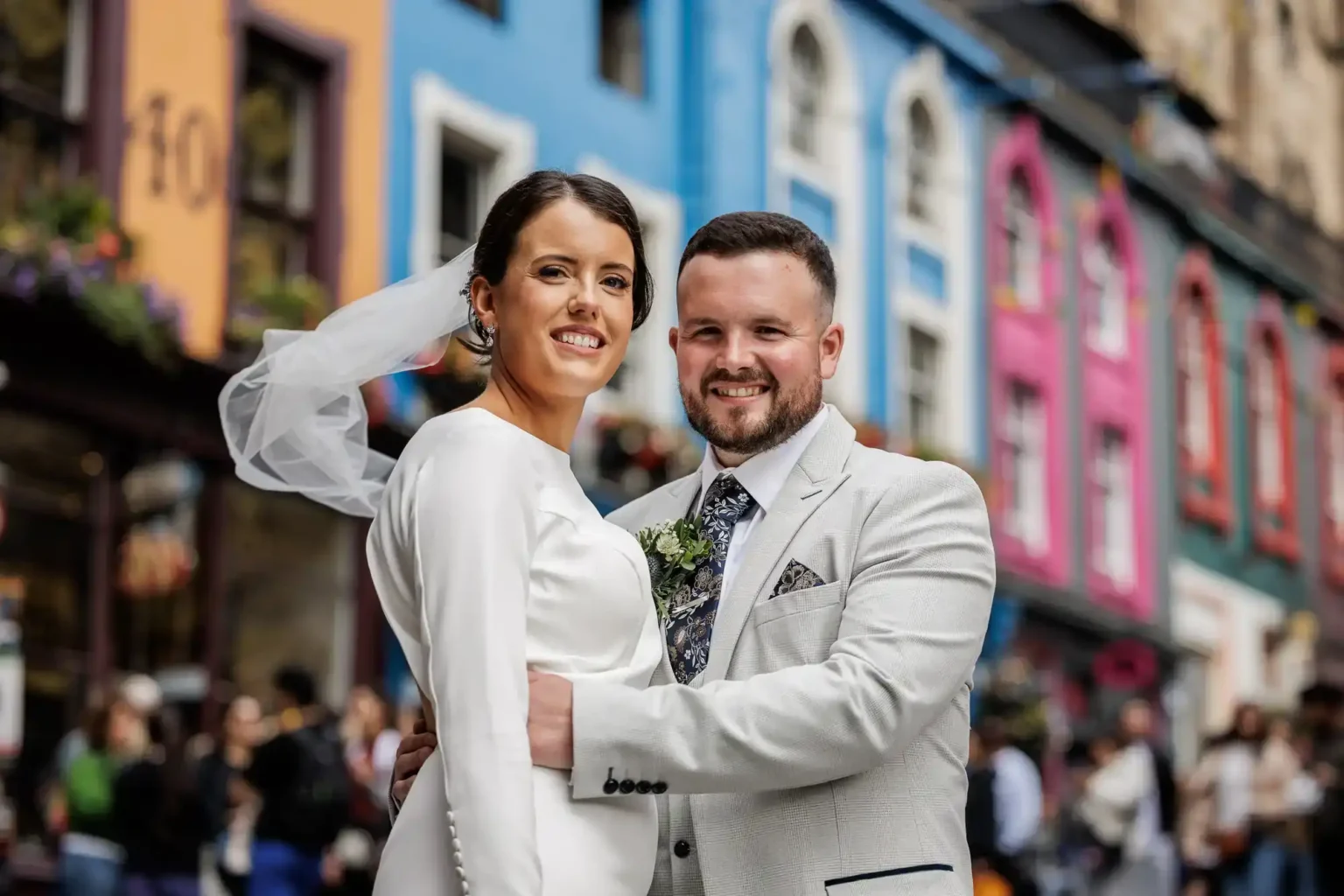
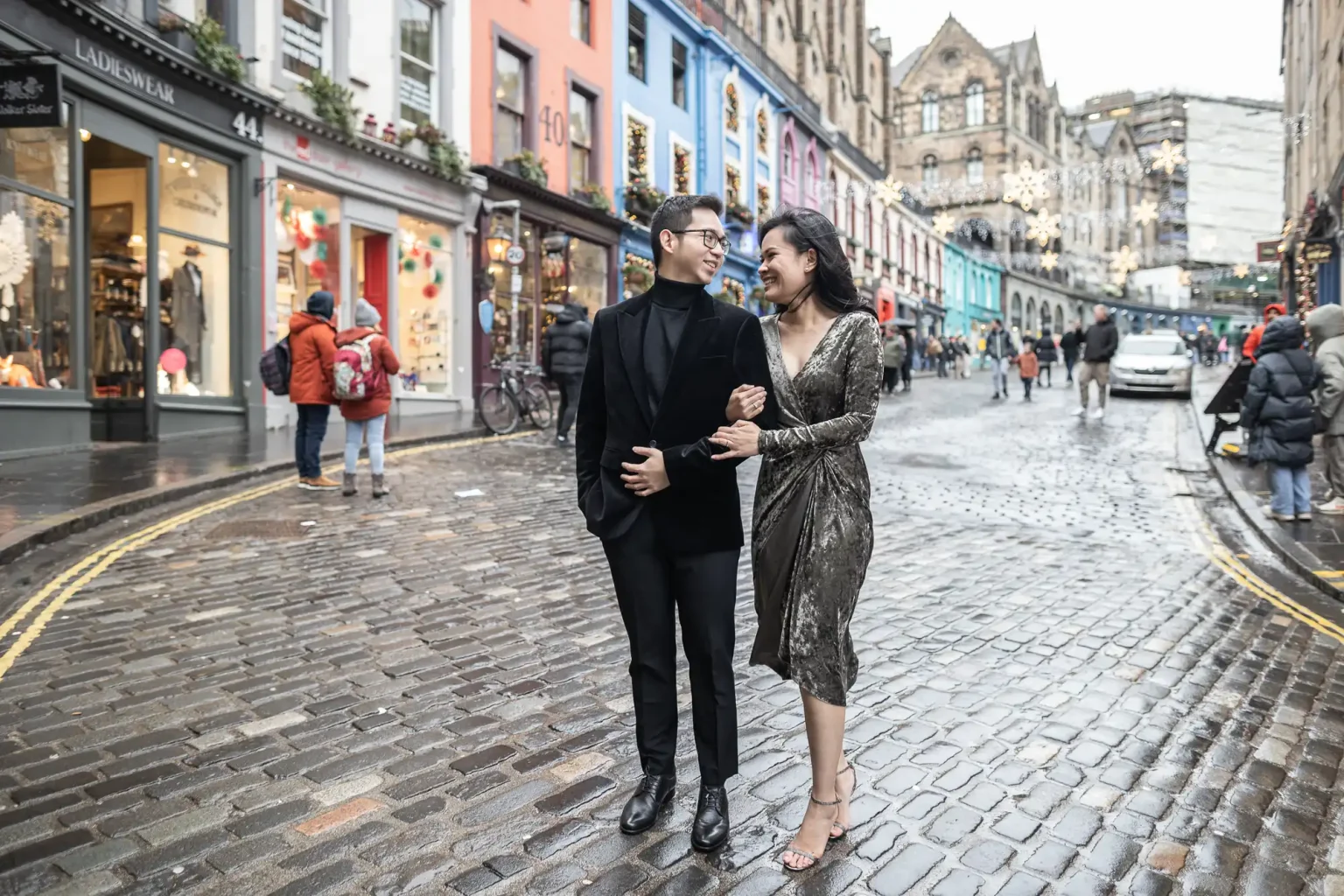
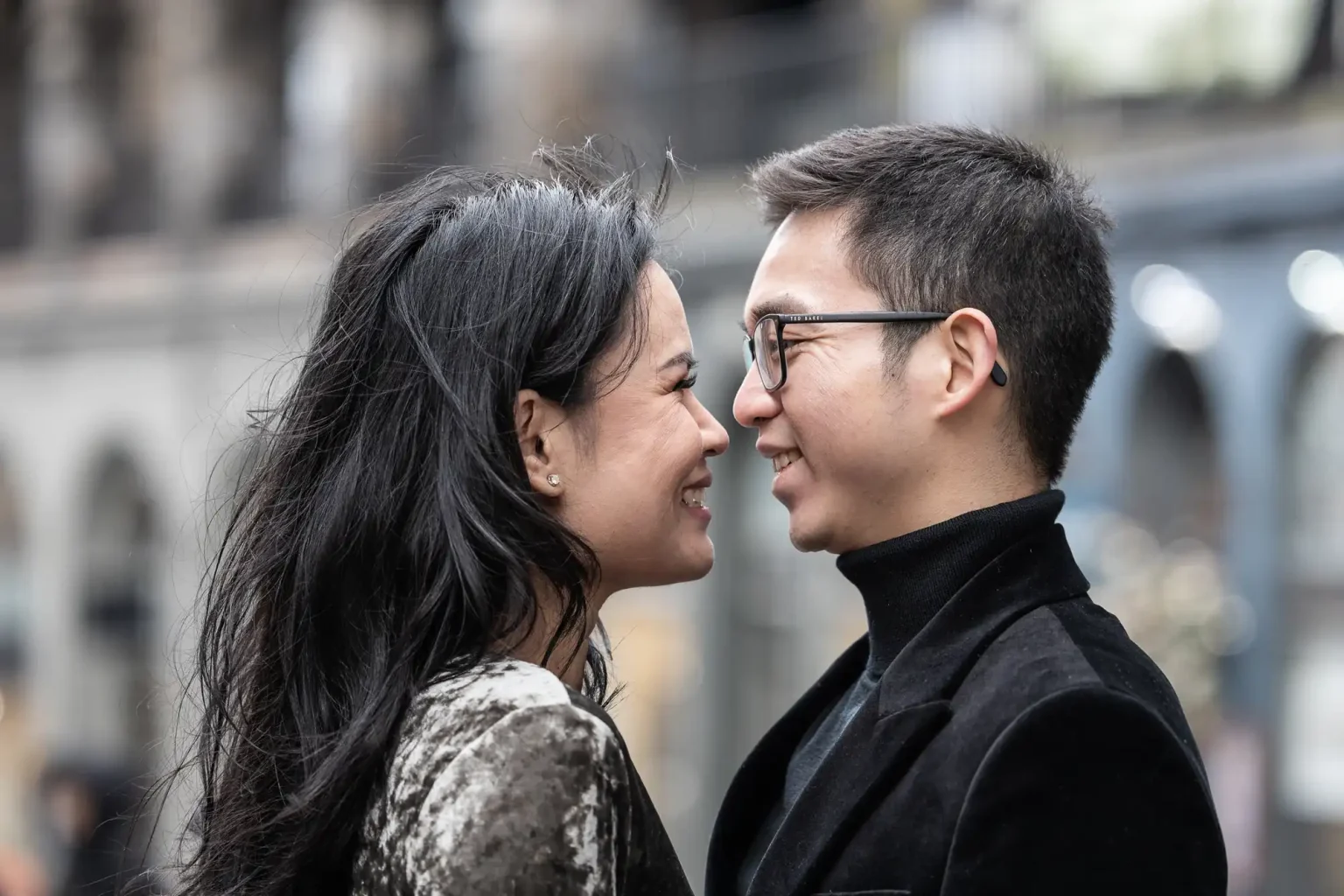
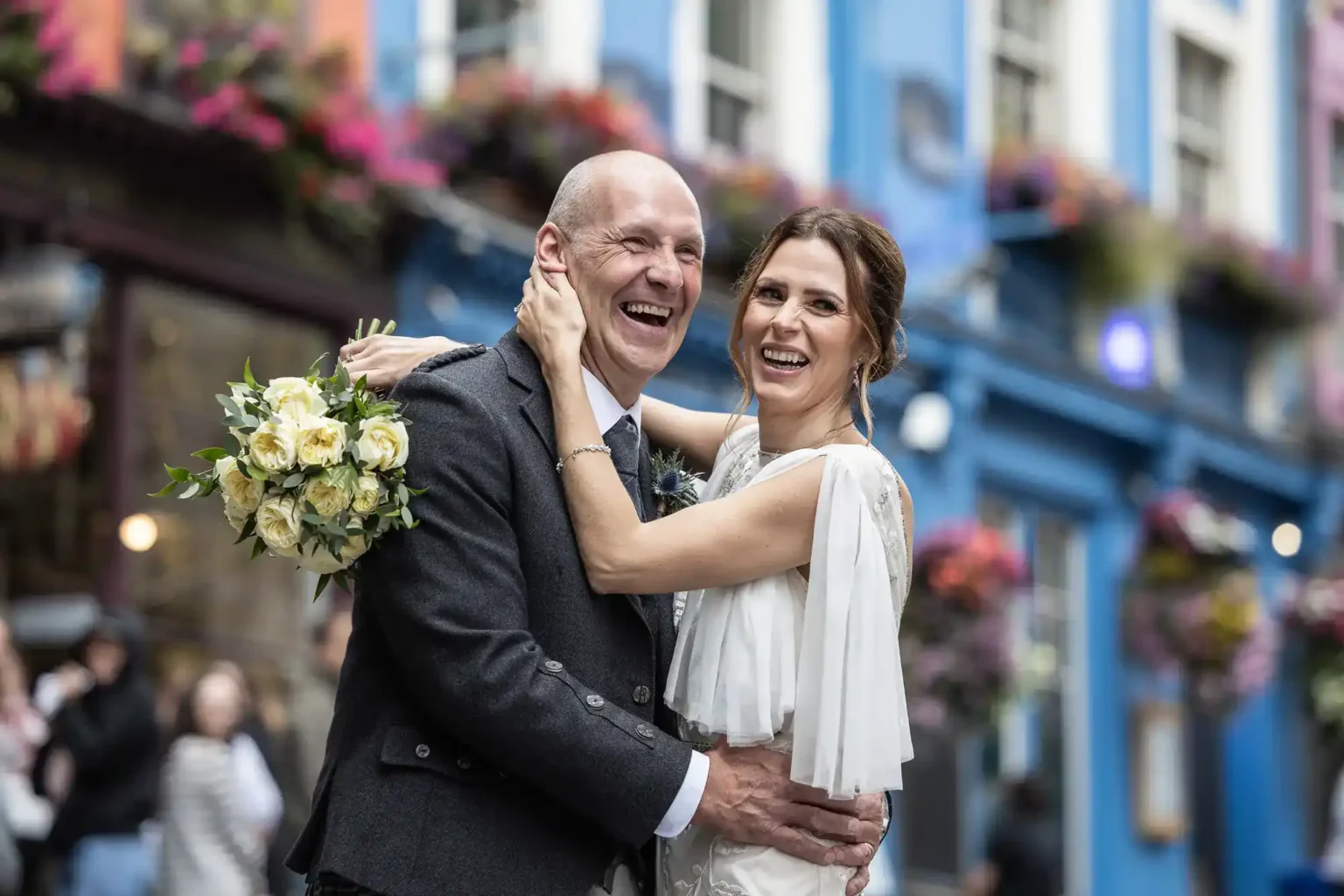
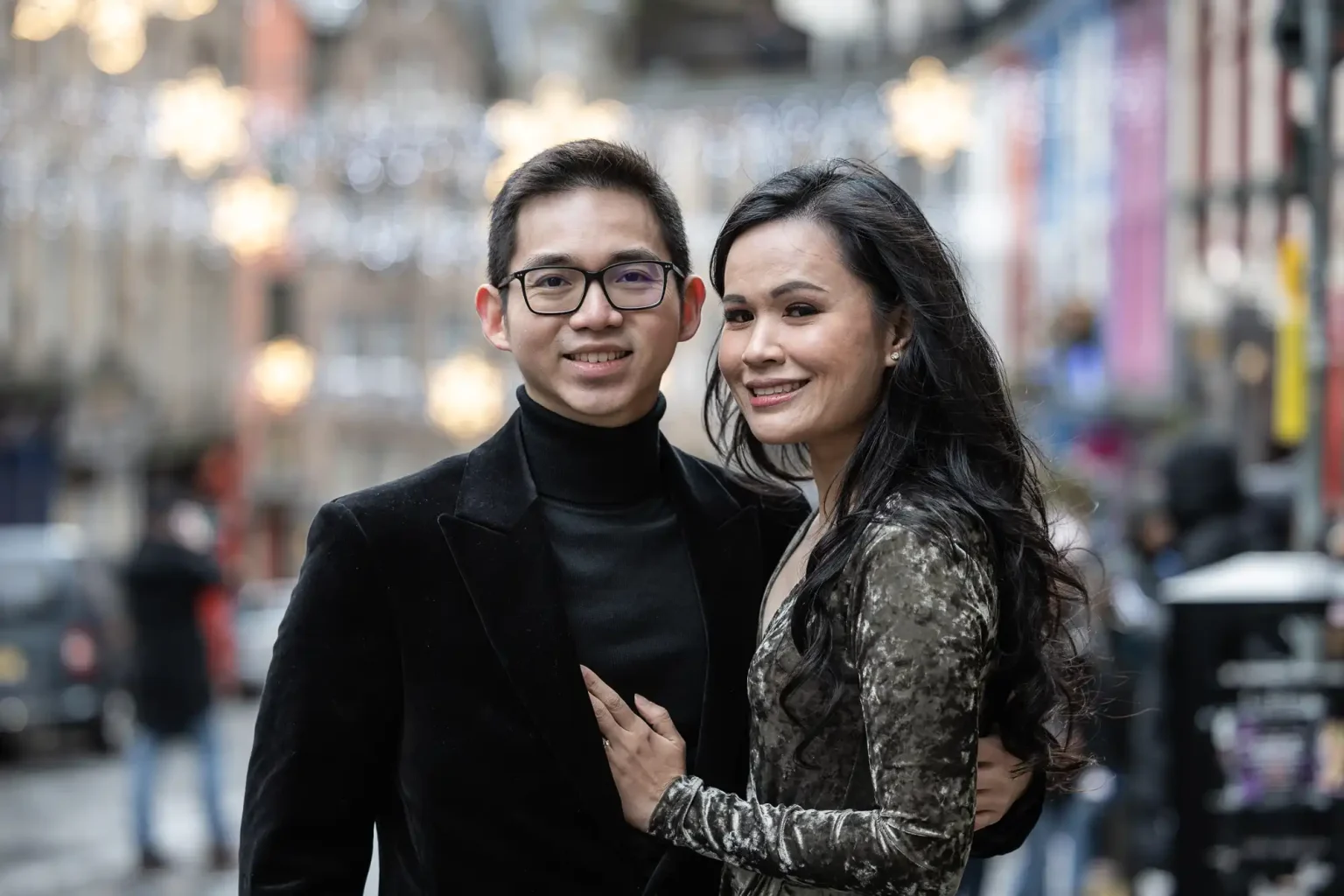
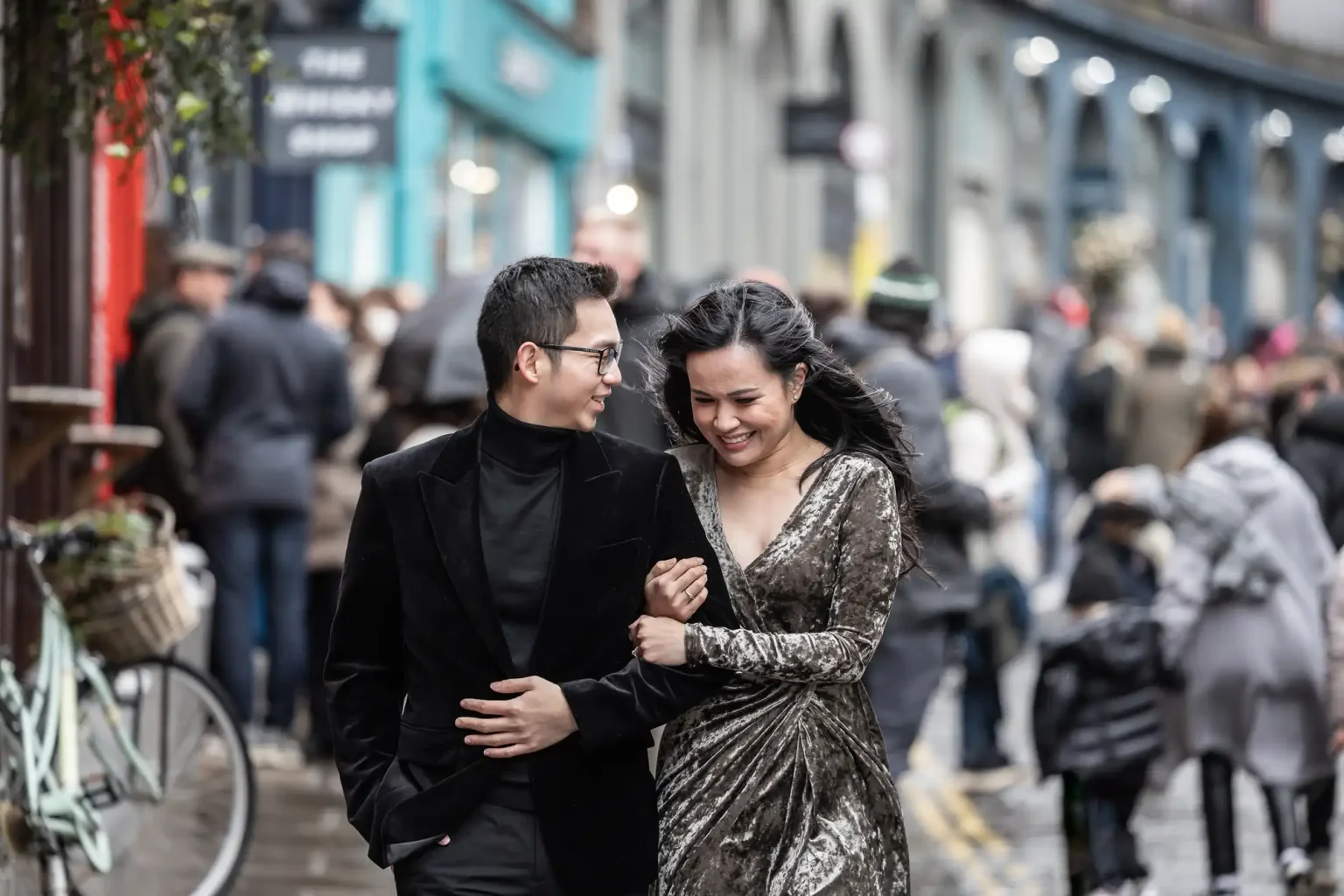
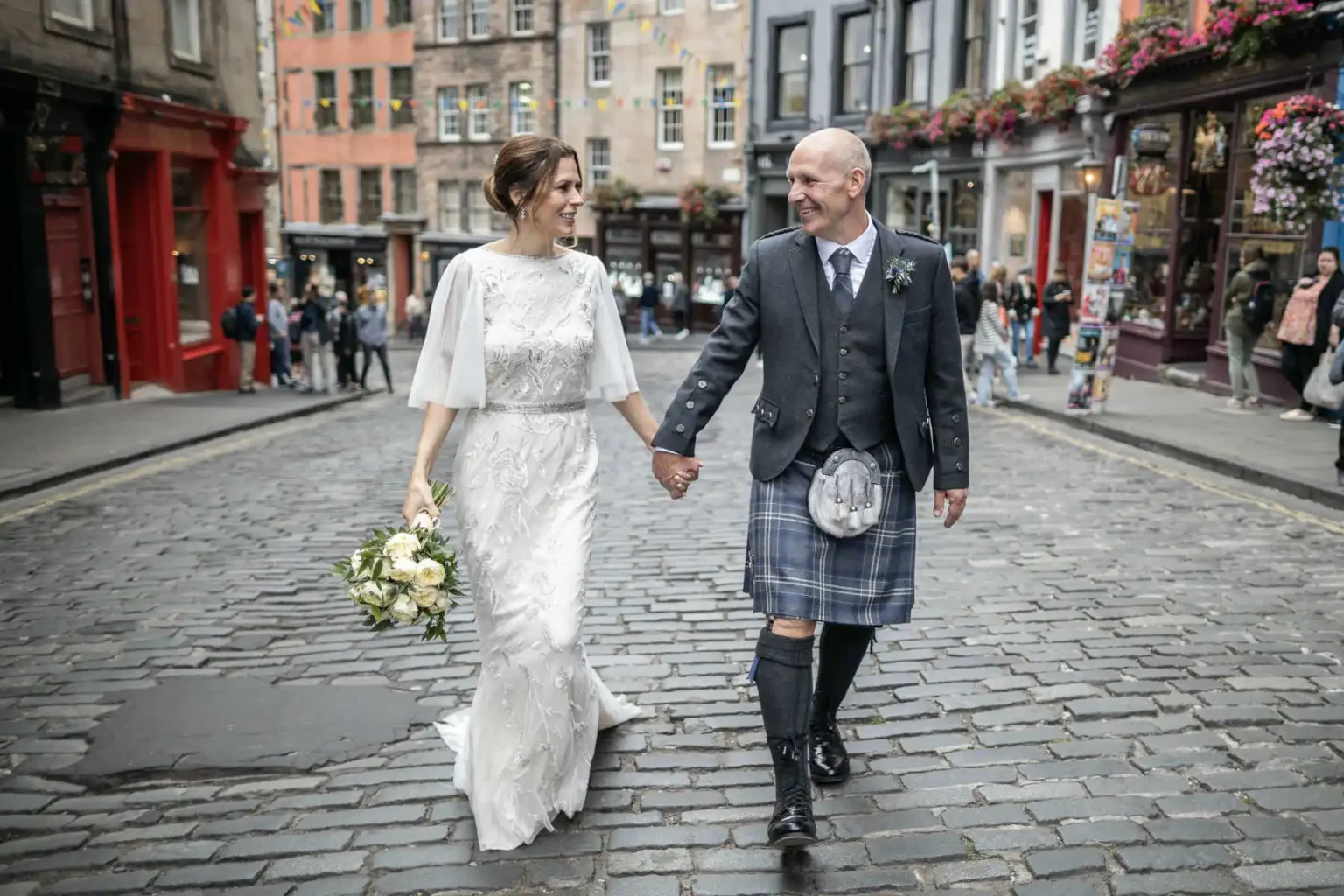
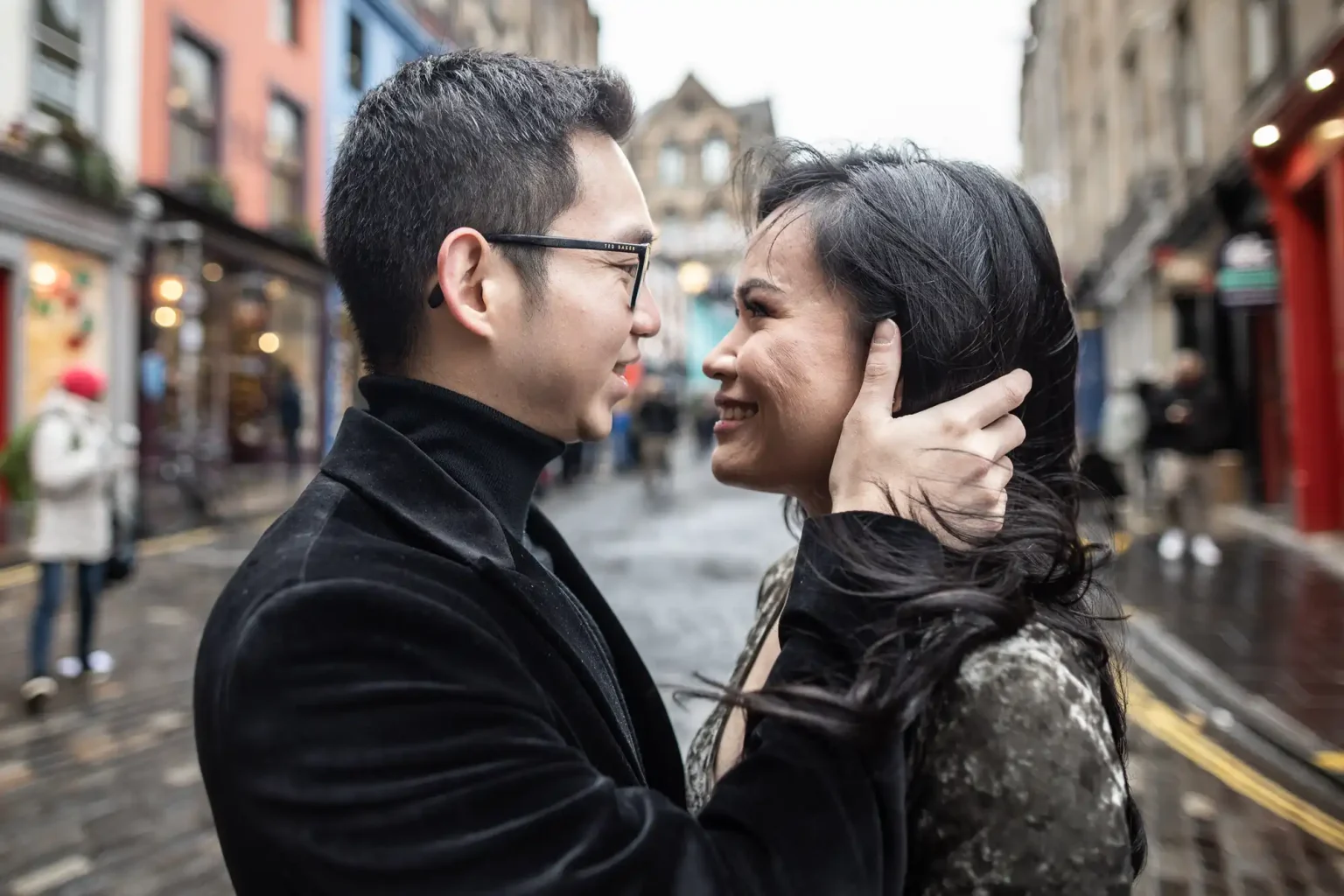
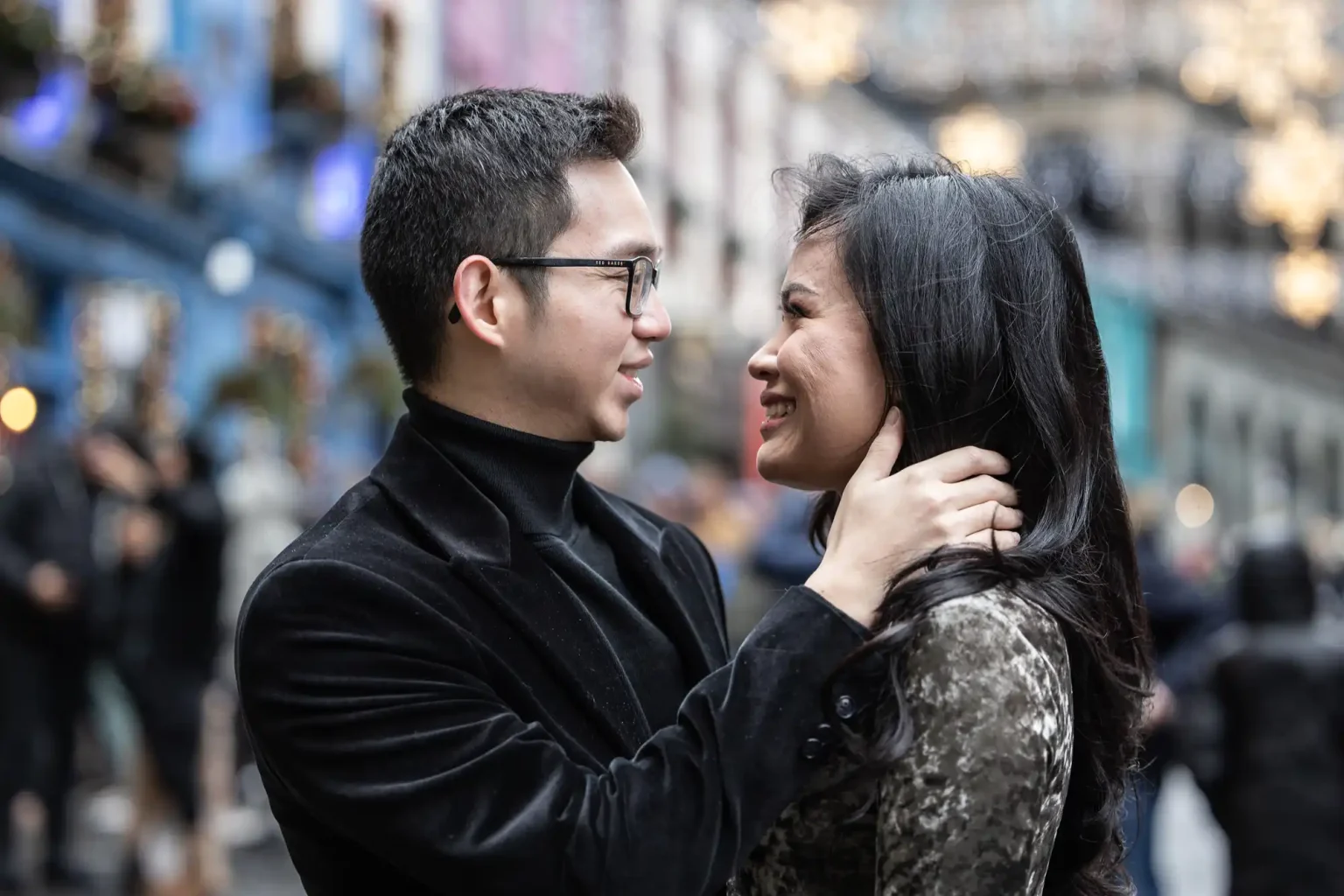
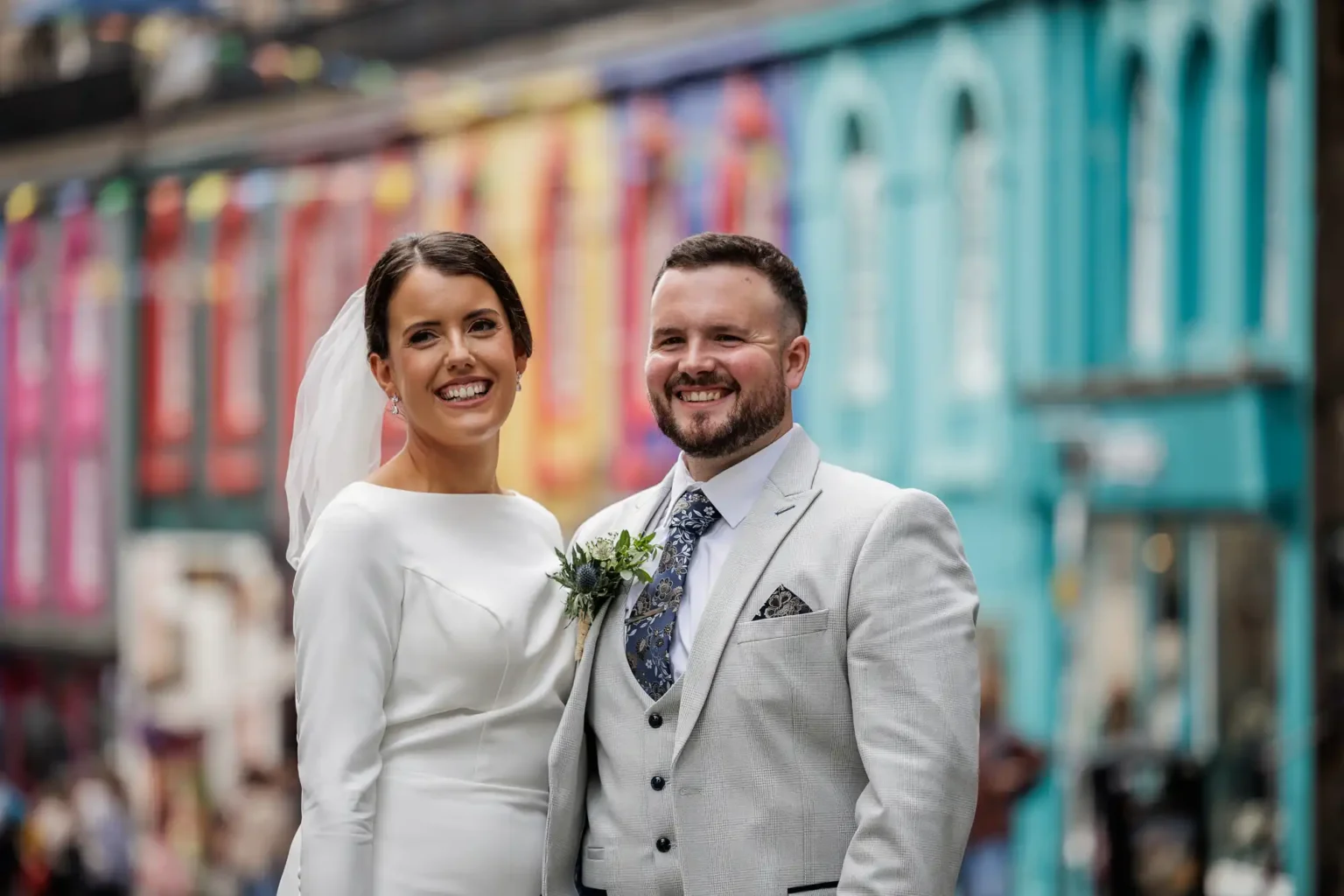
Victoria Street is one of the most photographed streets in Edinburgh, and it’s easy to see why. Its sweeping curve, colourful shopfronts, cobbled street and layers of Old Town architecture make it one of the city’s most recognisable Instagram spots.
Its real history is considerably older and more interesting than many visitors realise. Before Victoria Street existed, this part of Edinburgh was crossed by the West Bow, a steep, twisting route that climbed from the Grassmarket towards Castlehill. Following the City Improvement Act of 1827, architect Thomas Hamilton redesigned this part of the Old Town, creating Victoria Street as a more practical connection between the Grassmarket and the newly built George IV Bridge.
Victoria Street was created as part of the 19th-century improvements that reshaped this part of the Old Town. The City of Edinburgh Council’s guide to Edinburgh’s Old Town Conservation Area covers the wider historic context.
The work dramatically changed the medieval streetscape. Many of the old West Bow buildings were demolished, although several survive towards the Grassmarket and offer a glimpse of the street as it existed before the 19th-century improvements.
One of the most unusual features is Victoria Terrace, the elevated walkway above the shops. It was built across the roofs and gives you the classic view down onto the colourful curve of Victoria Street — one of the best-known photographs of Edinburgh.
Harry Potter fans will also recognise why Victoria Street is so often compared with Diagon Alley. Its winding shape, colourful shopfronts and slightly theatrical Old Town character certainly feel Potter-esque, although the idea that it directly inspired Diagon Alley is better treated as popular Edinburgh folklore than confirmed fact.
For photographs, I particularly like the contrast here between the brightly painted shopfronts, dark stone tenements and the way the street bends out of sight towards the Grassmarket. It’s a place where Edinburgh’s architecture, history and colour all come together in one frame.

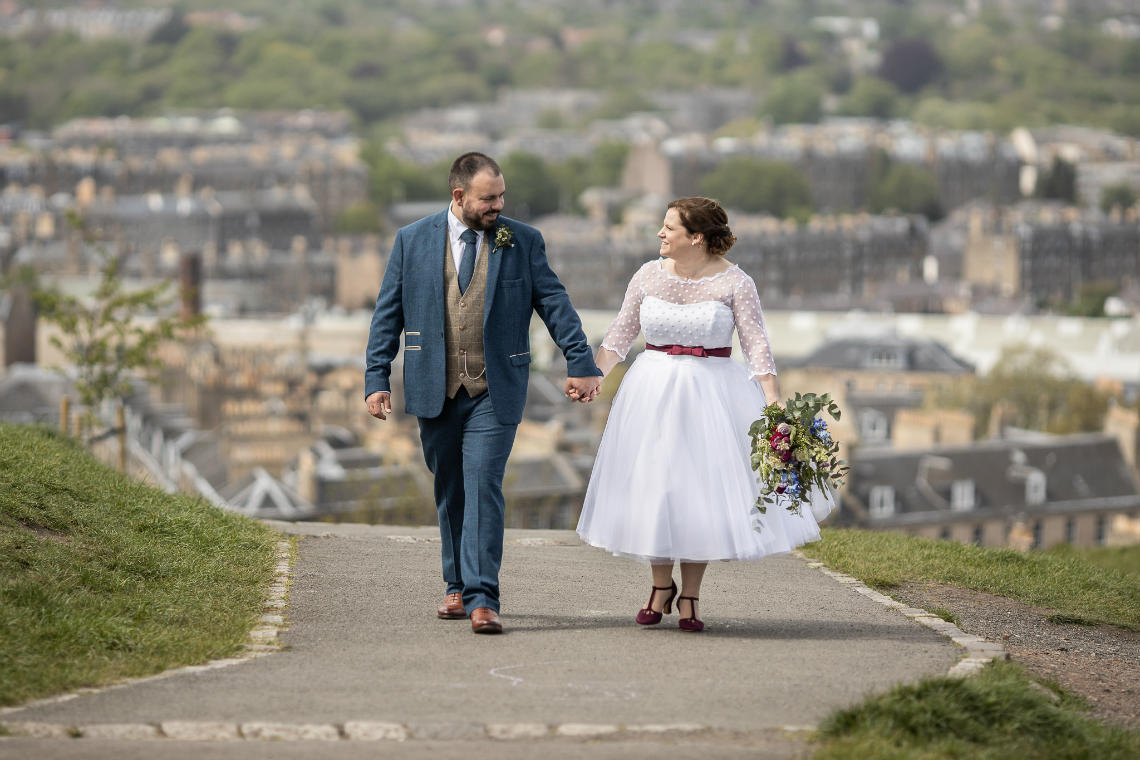
Calton Hill
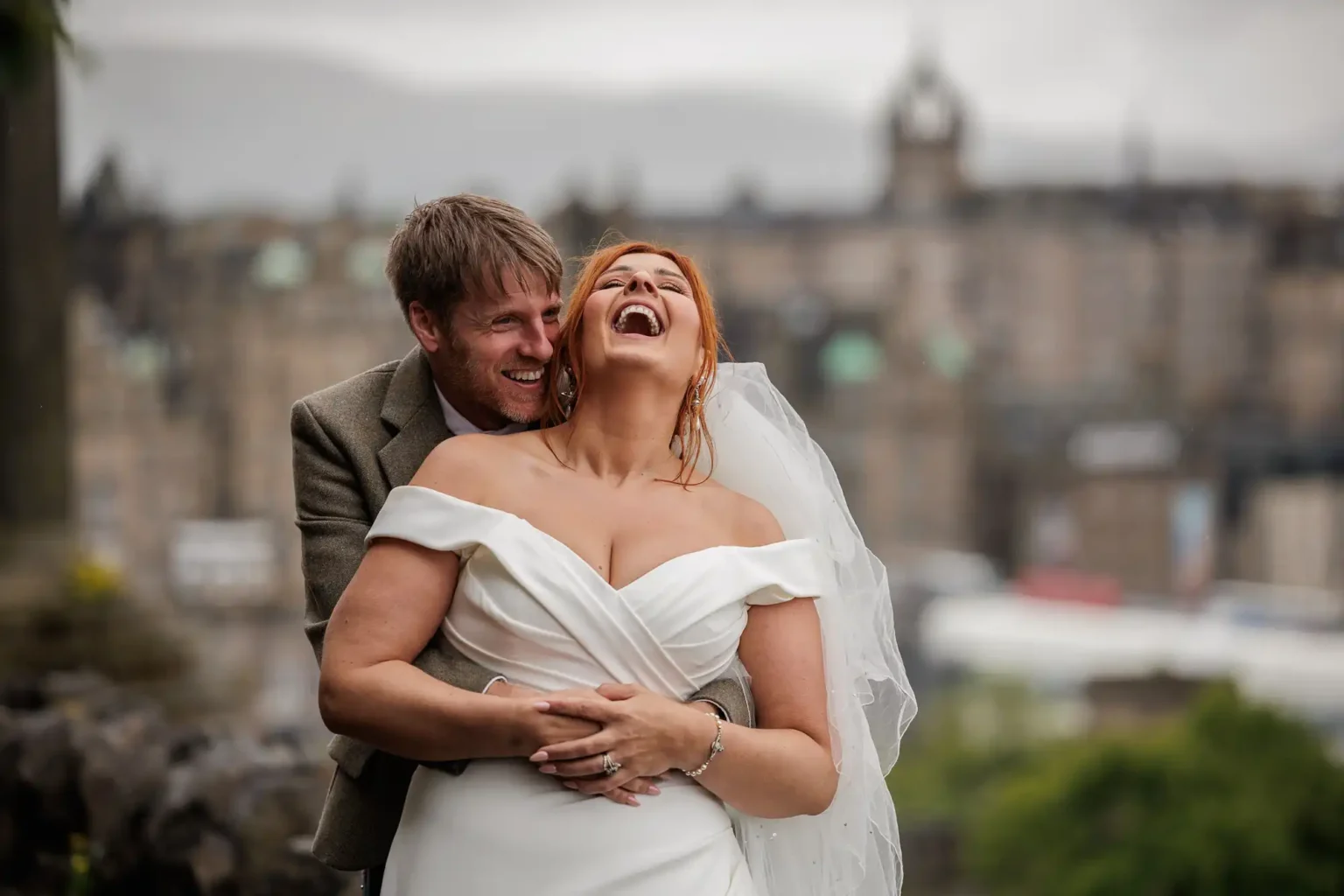
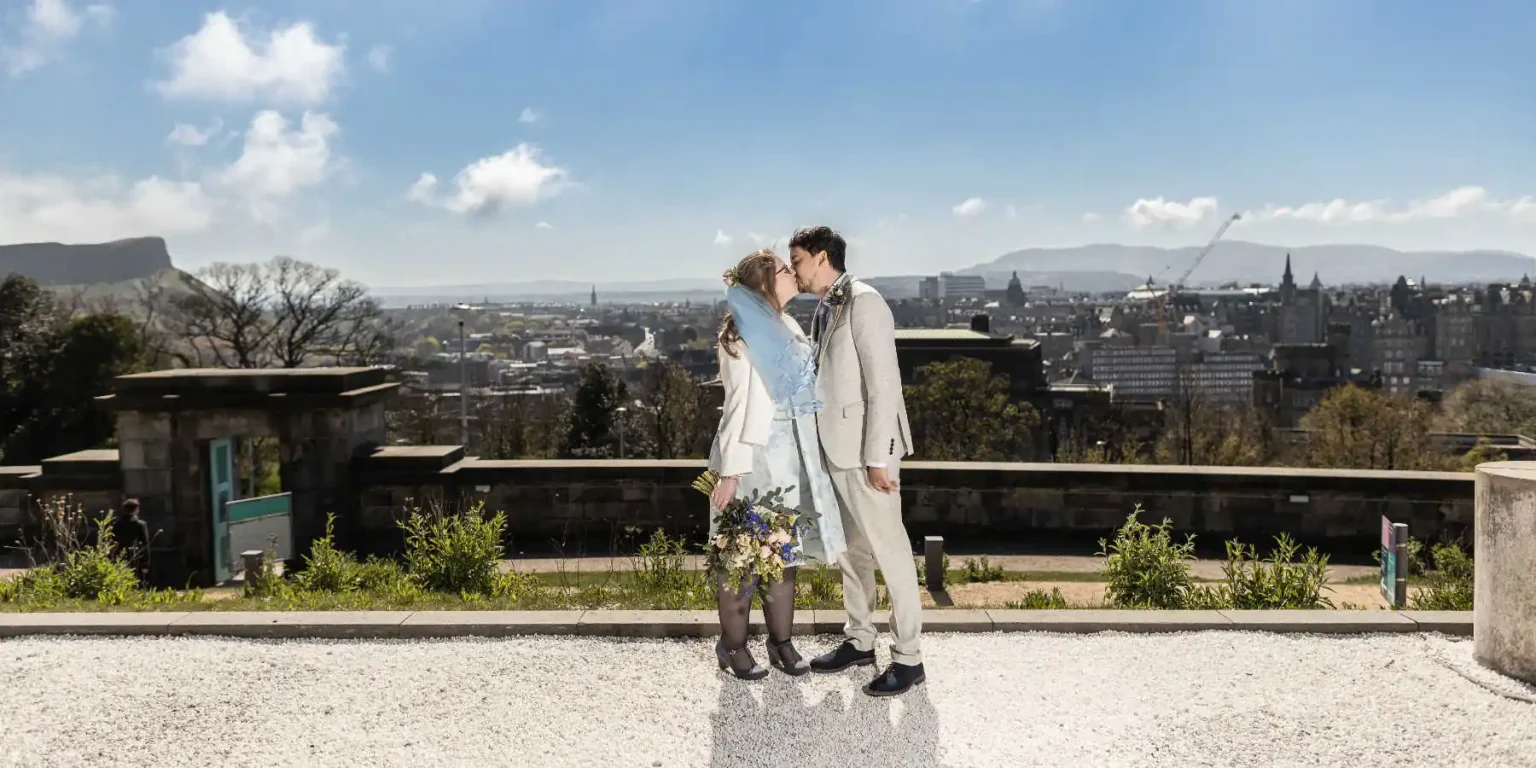
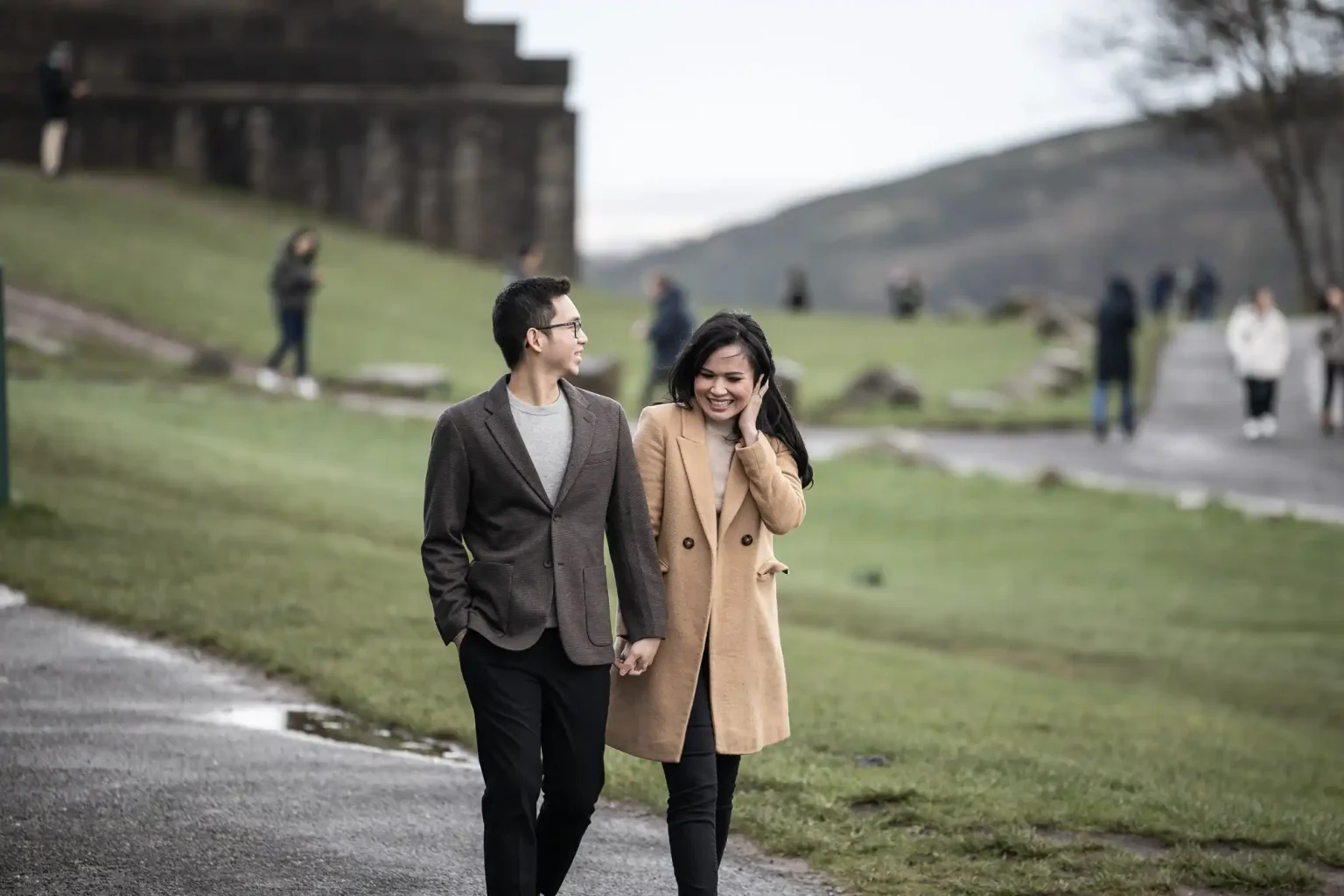
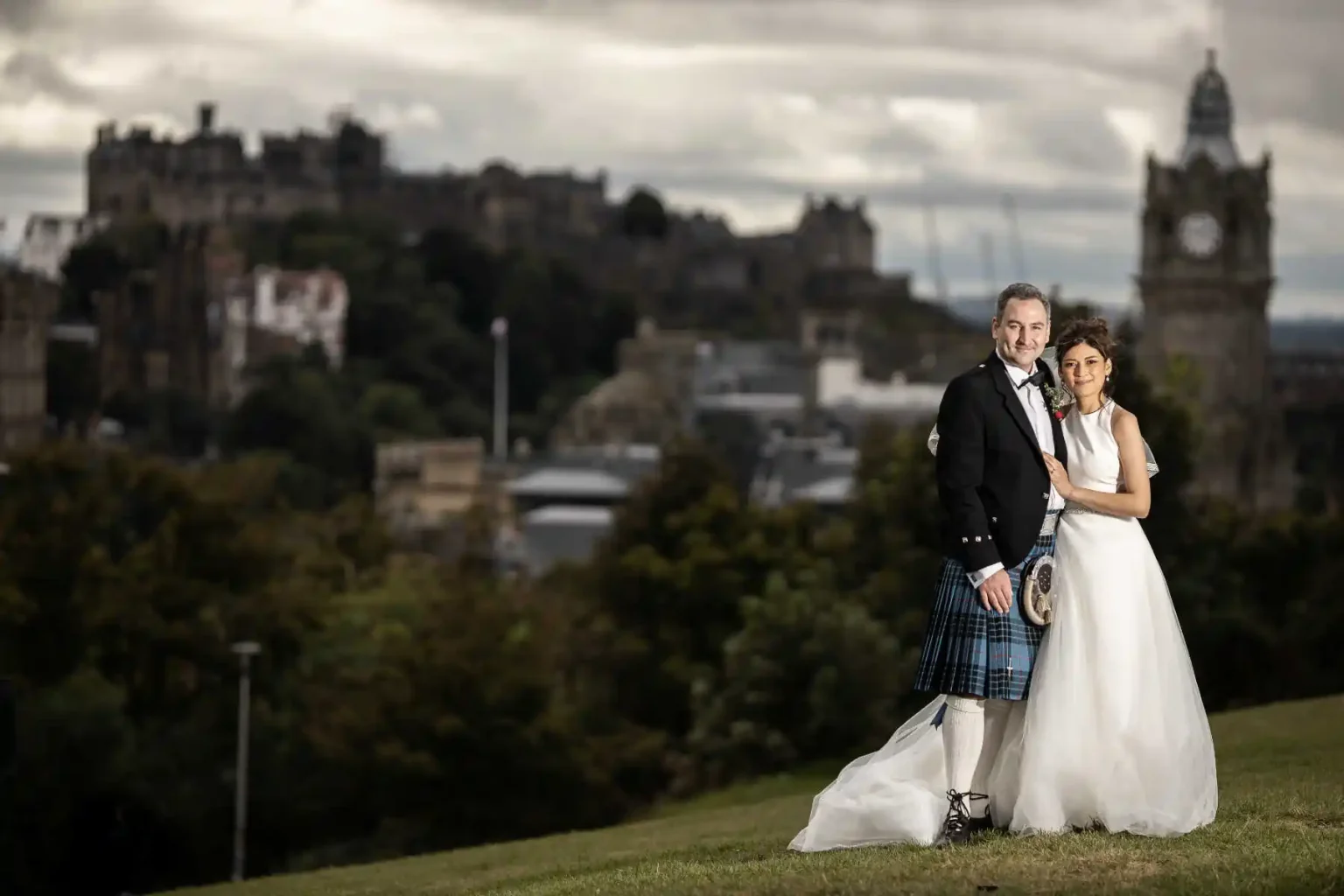
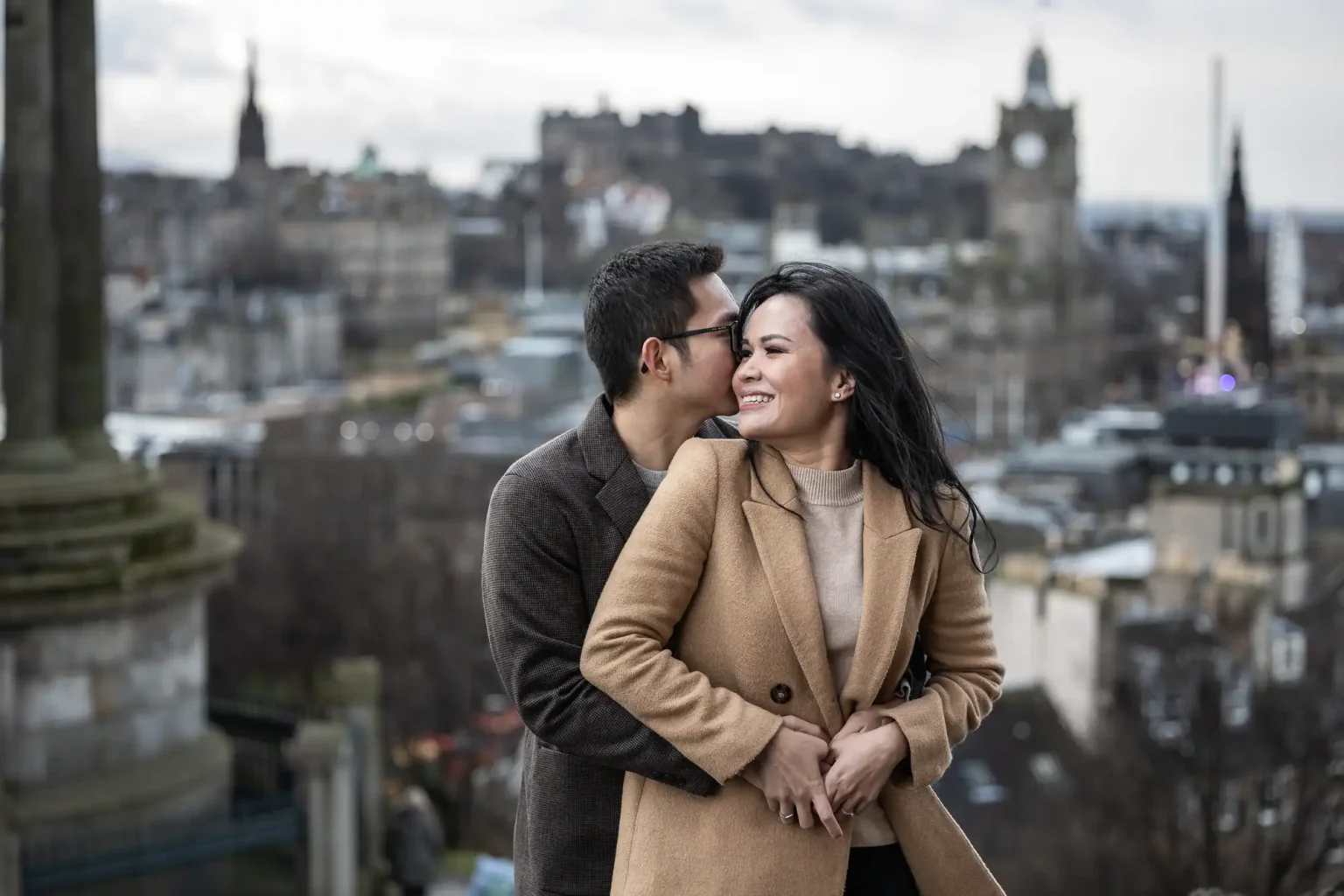
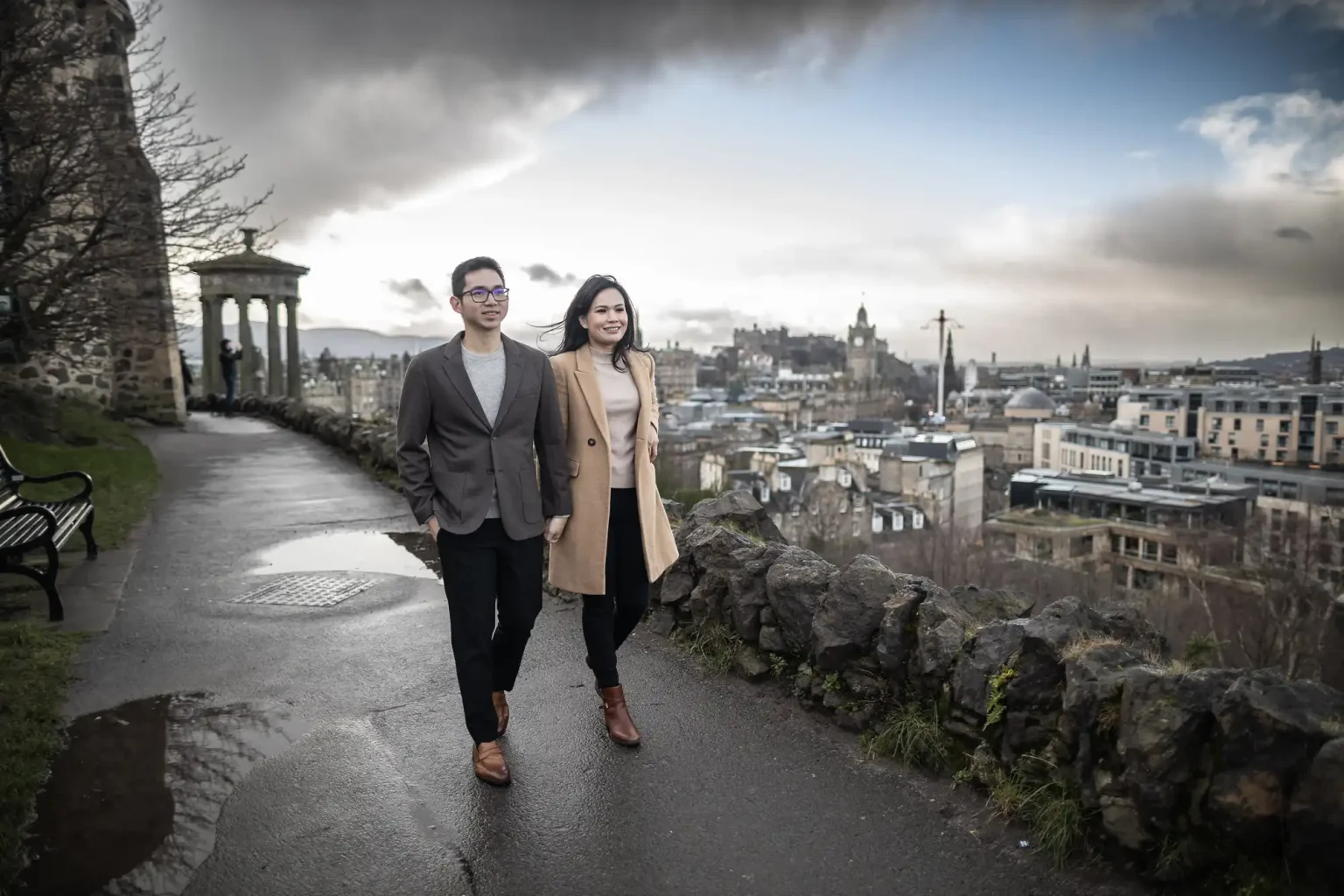
Calton Hill is one of the most Instagrammable viewpoints in Edinburgh, with one of the best panoramas of the city. From the top you can pick out Edinburgh Castle, Arthur’s Seat, the Old and New Towns, the Firth of Forth and many of the landmarks that define the Edinburgh skyline.
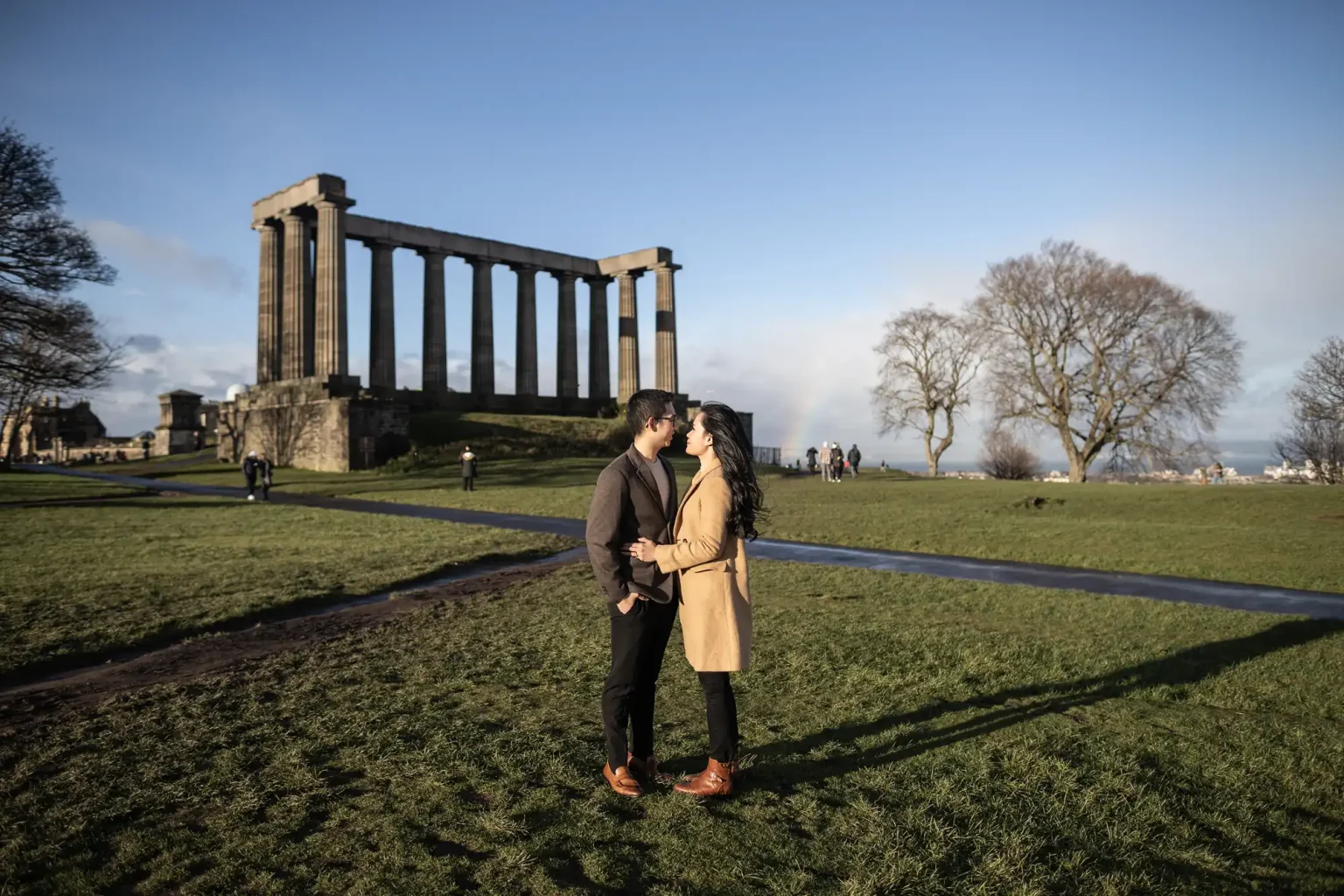
The hill is interesting in its own right, though. Its extraordinary collection of monuments was largely created in the late 18th and early 19th centuries, when Edinburgh was embracing the classical architecture that helped earn it the nickname “Athens of the North.”
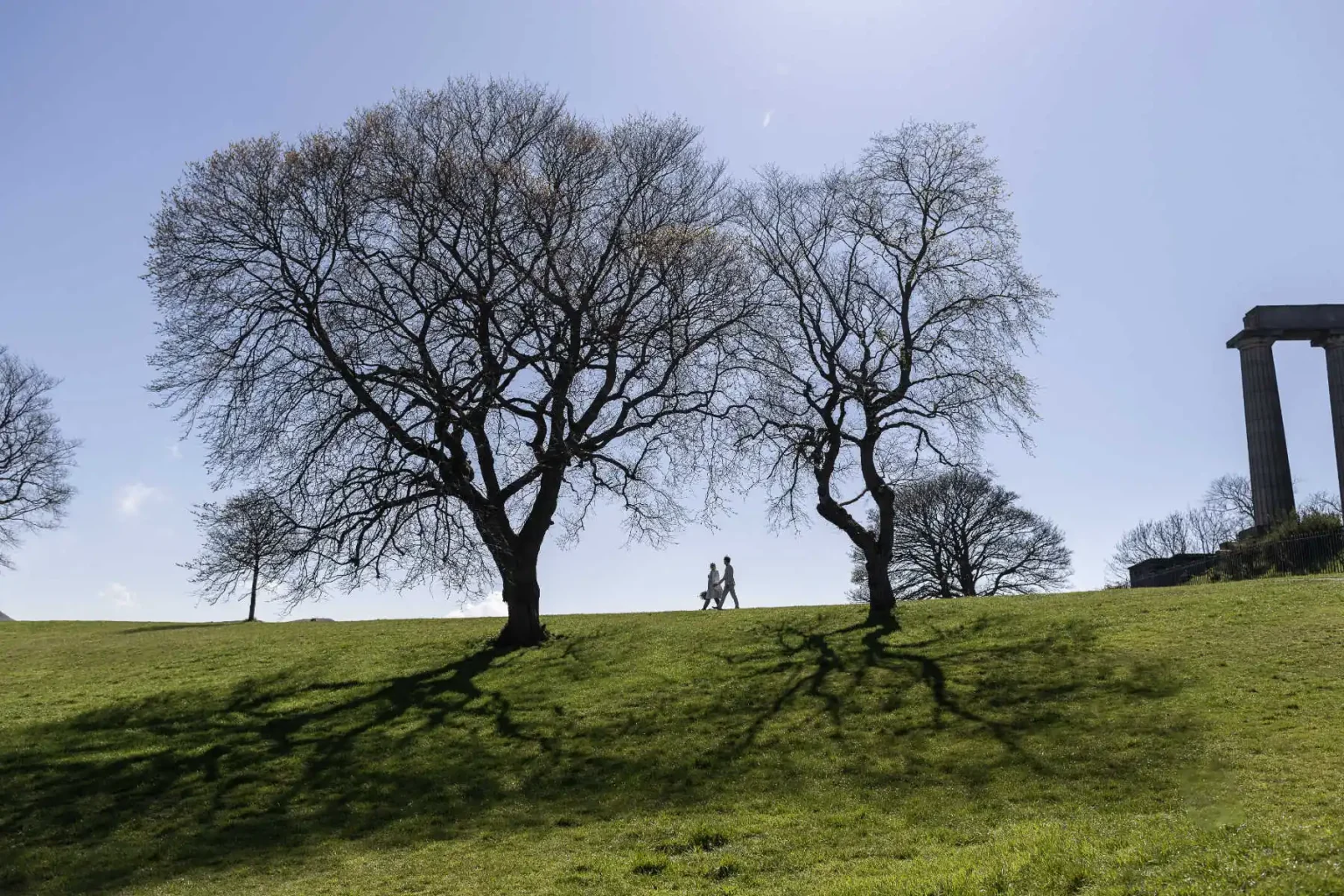
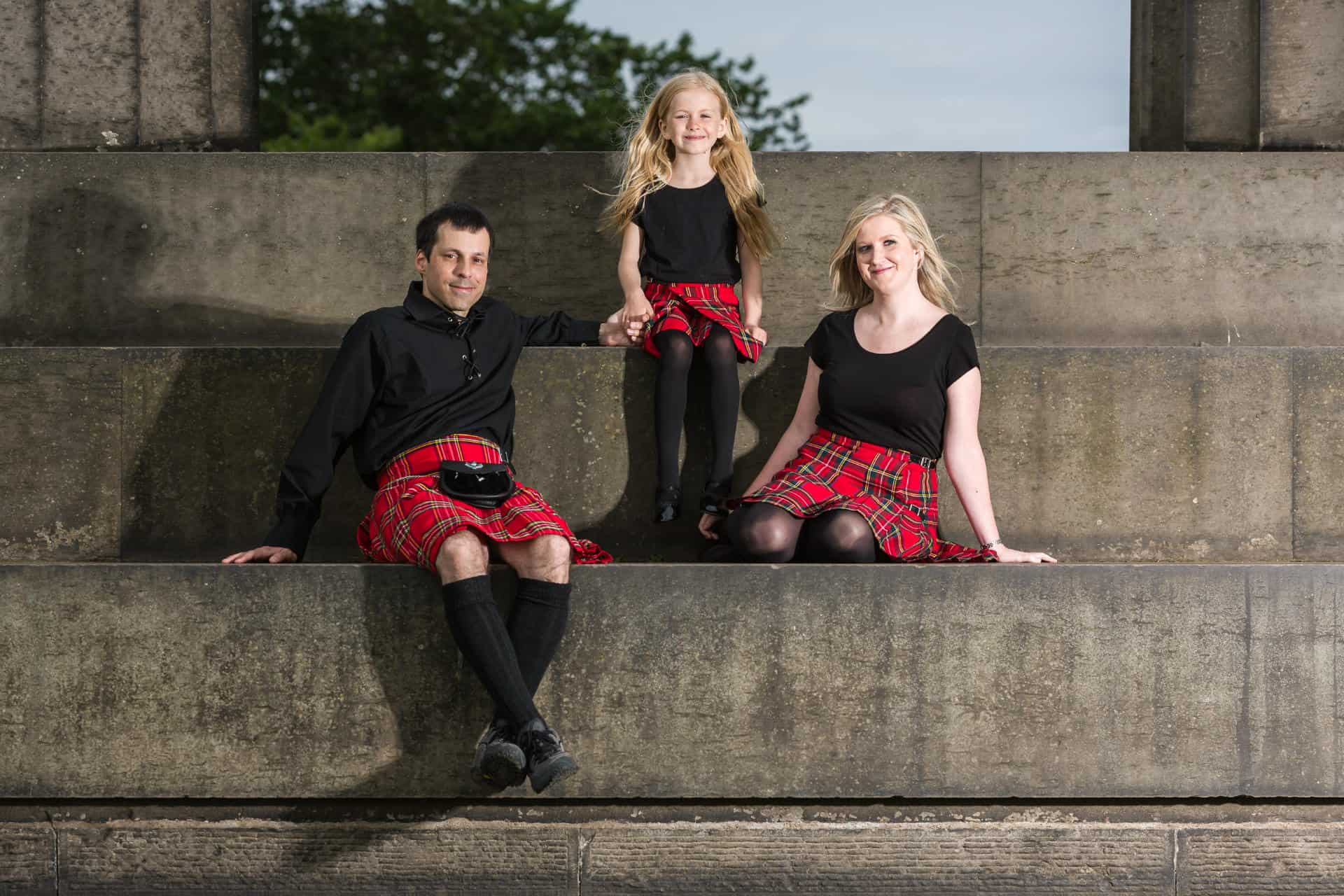
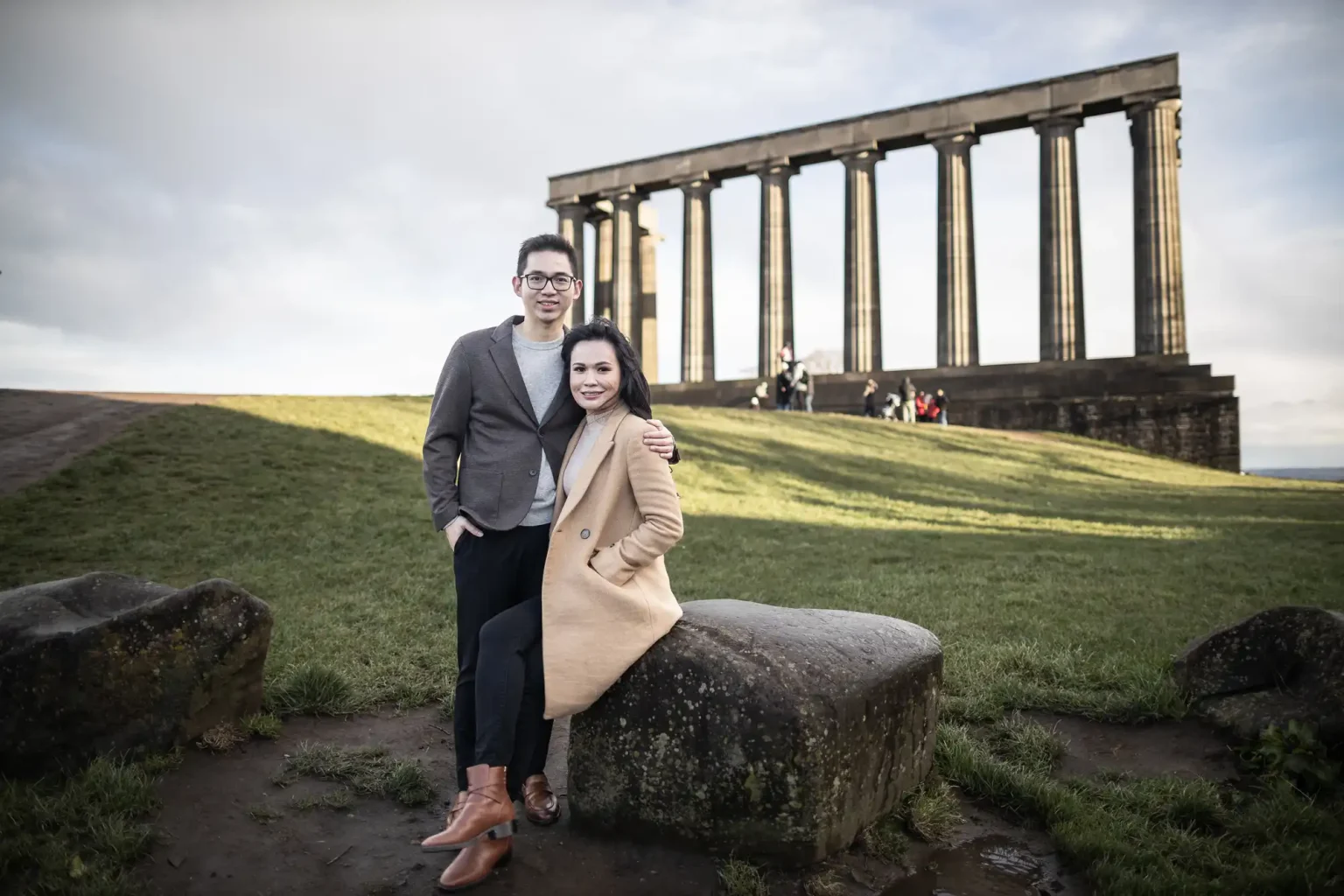
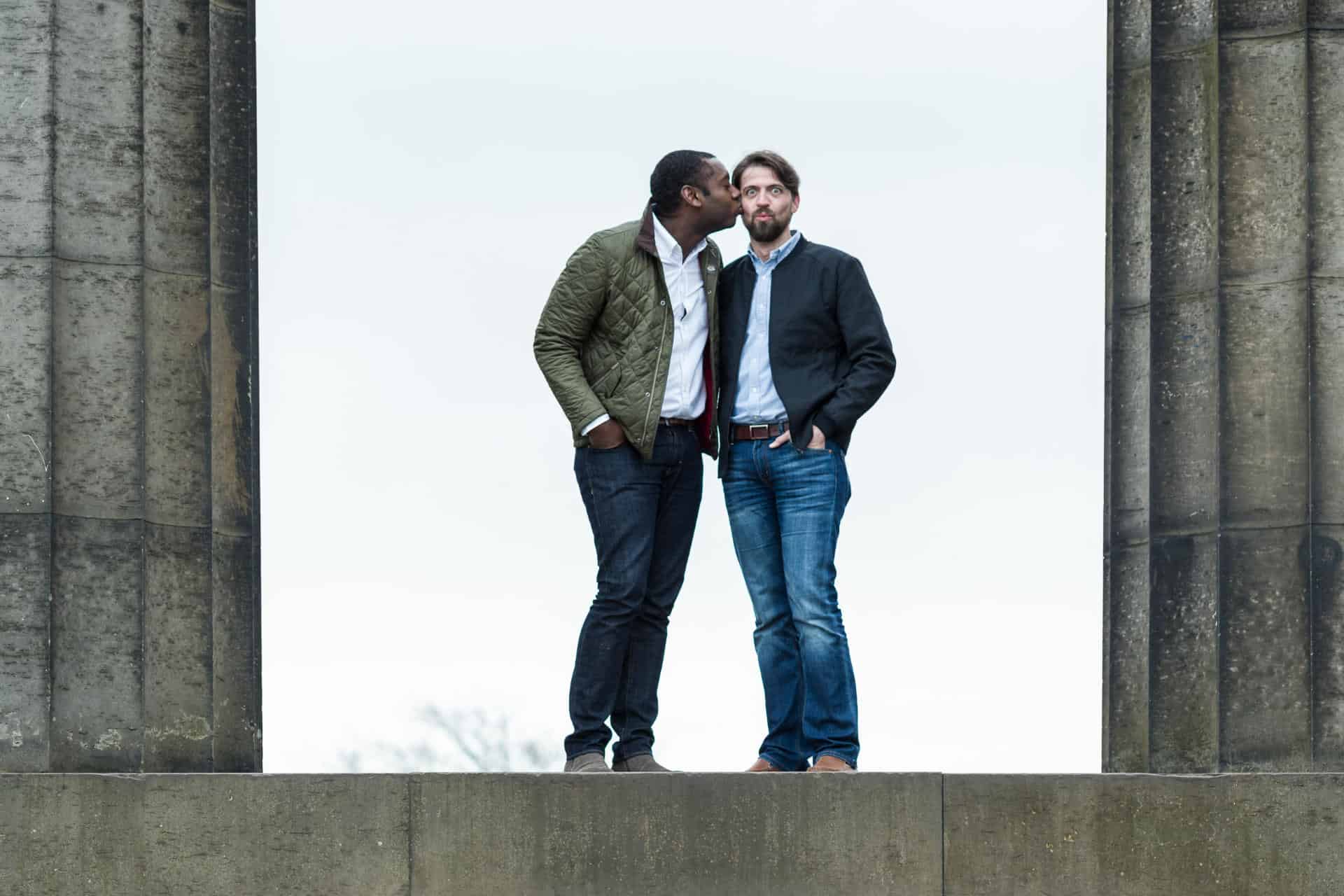
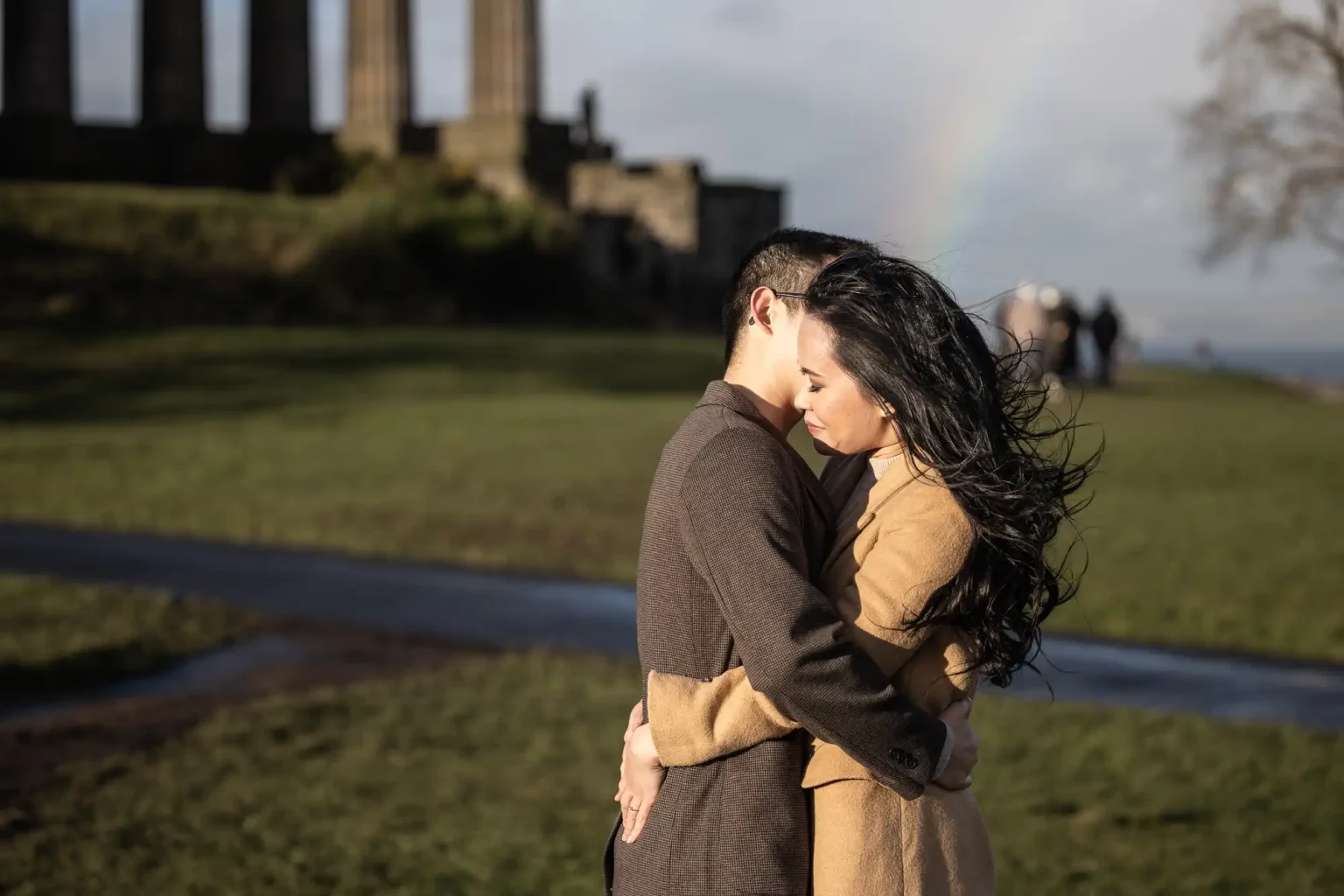
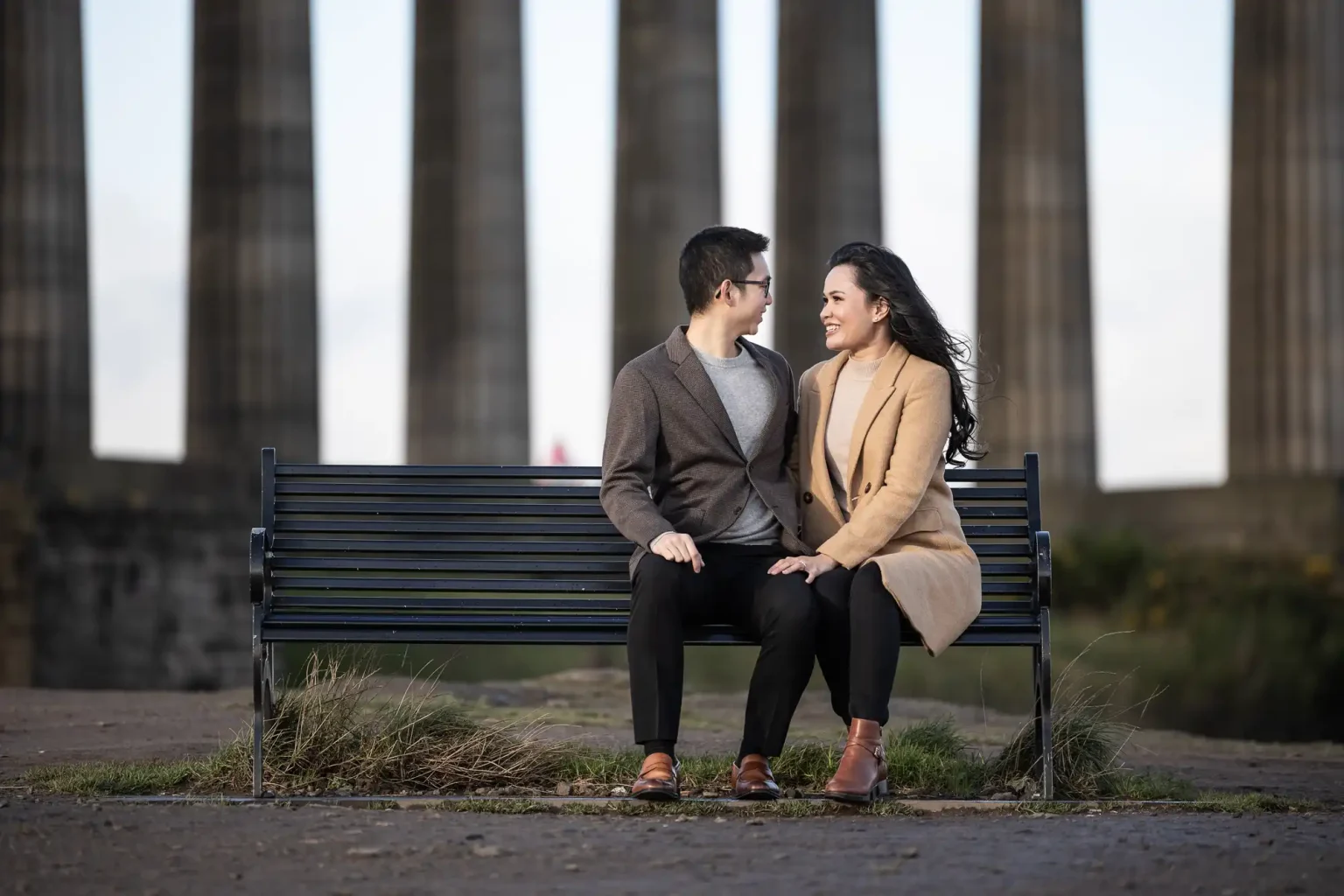
The most immediately recognisable is the unfinished National Monument of Scotland, designed by Charles Robert Cockerell and William Henry Playfair as a memorial to Scottish soldiers and sailors who died during the Napoleonic Wars. Modelled on the Parthenon in Athens, construction began in the 1820s but stopped when the project ran out of money. The great stone columns were never completed, leaving the monument much as we see it today.
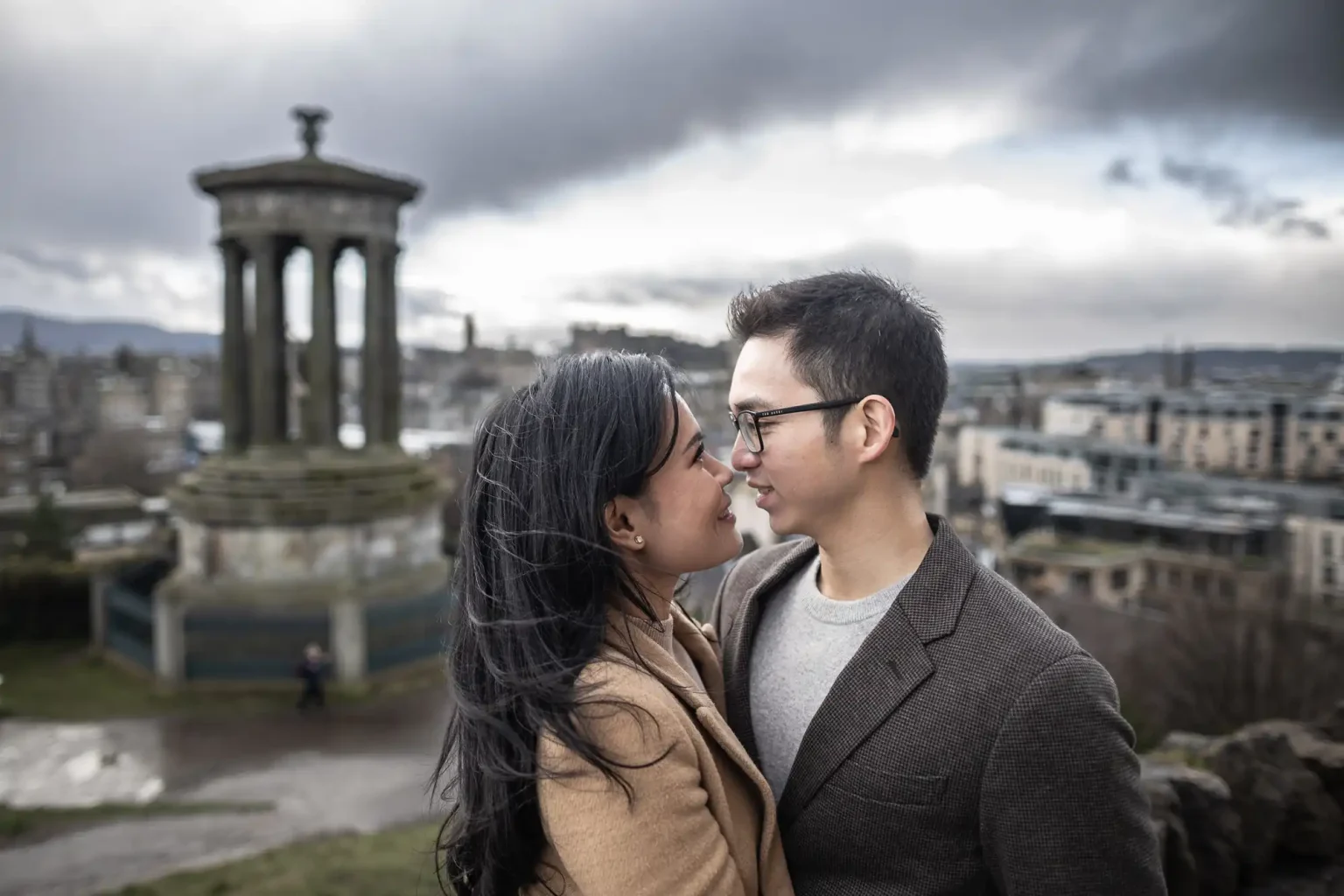
Nearby, the elegant Dugald Stewart Monument, designed by Playfair and completed in 1831, has become a classic foreground for photographs looking west across Edinburgh. The Nelson Monument, meanwhile, commemorates Admiral Lord Nelson and the Battle of Trafalgar and has stood above the city since the early 19th century.
For photographs, it’s the combination that makes Calton Hill special: monumental architecture in the foreground with the entire city unfolding behind it. Few other Edinburgh photo spots give you so many instantly recognisable landmarks in a single view.


Vennel
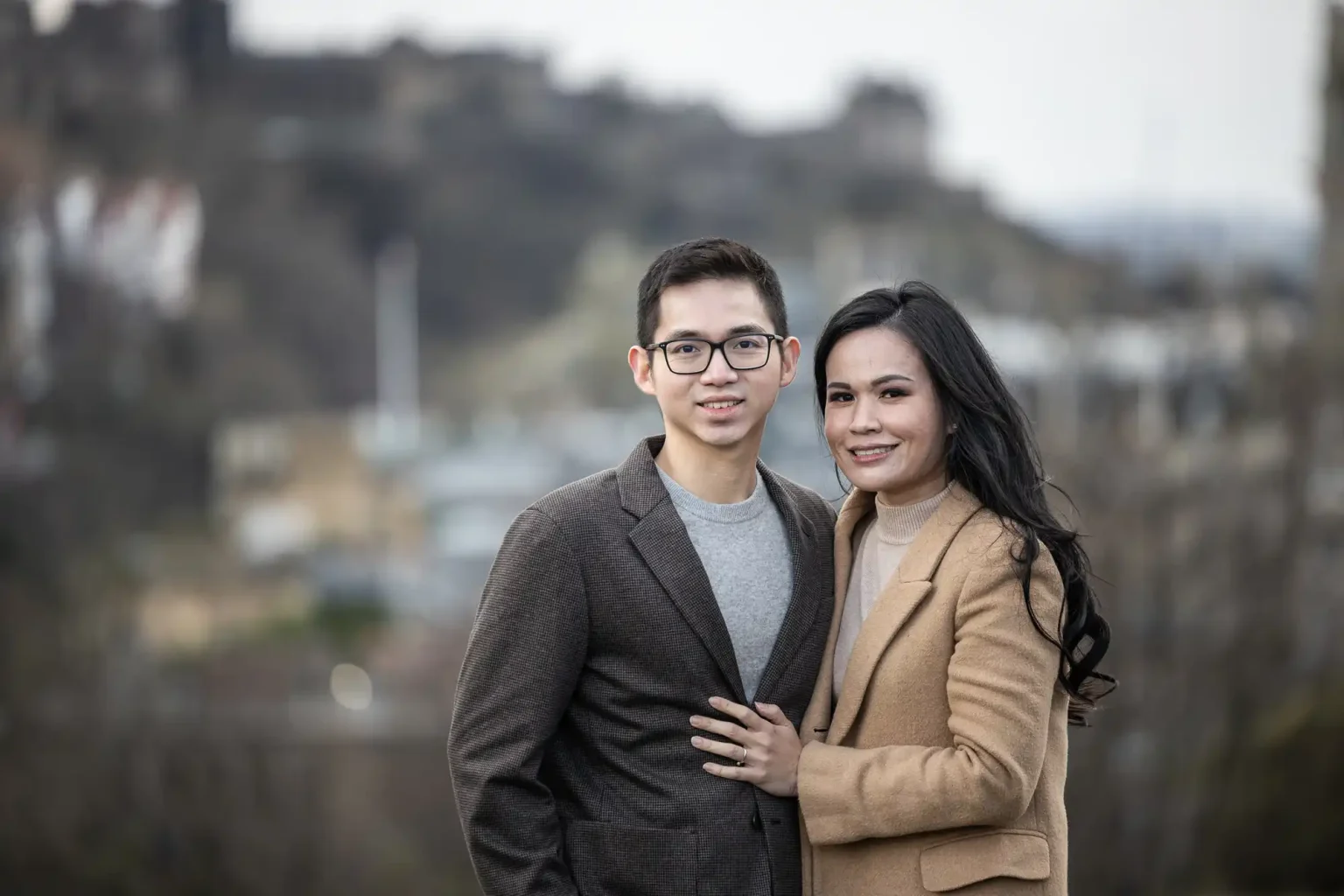
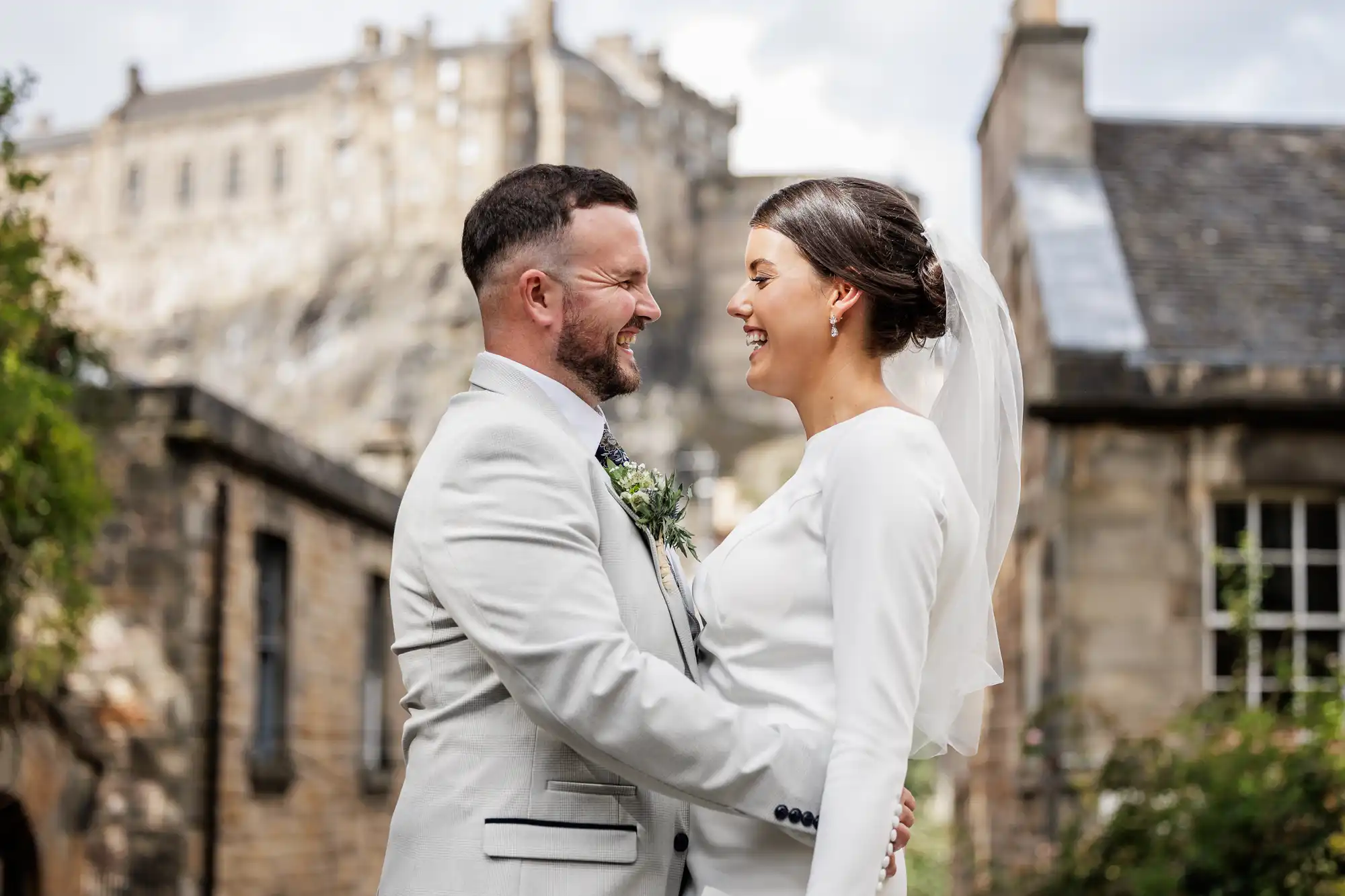
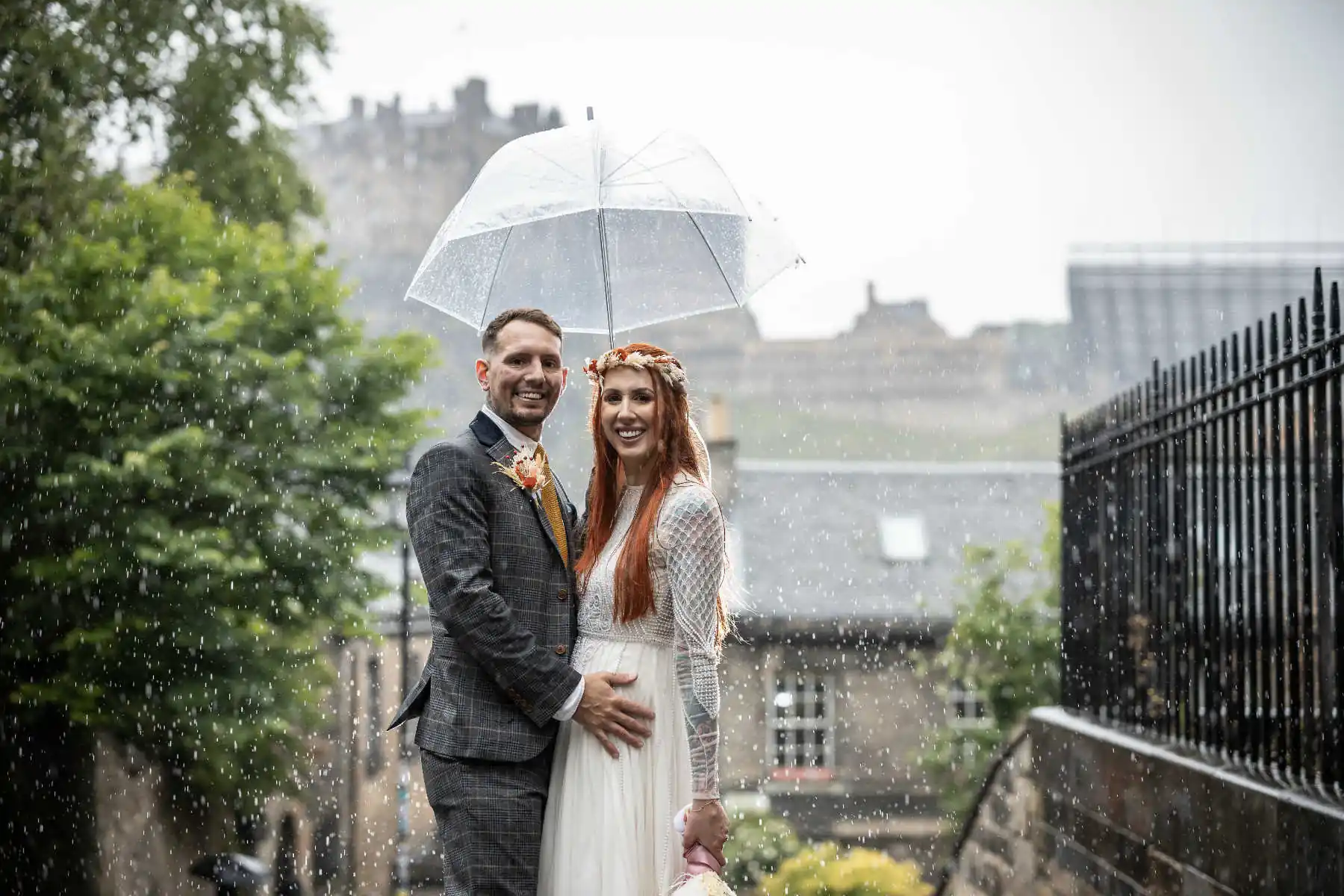
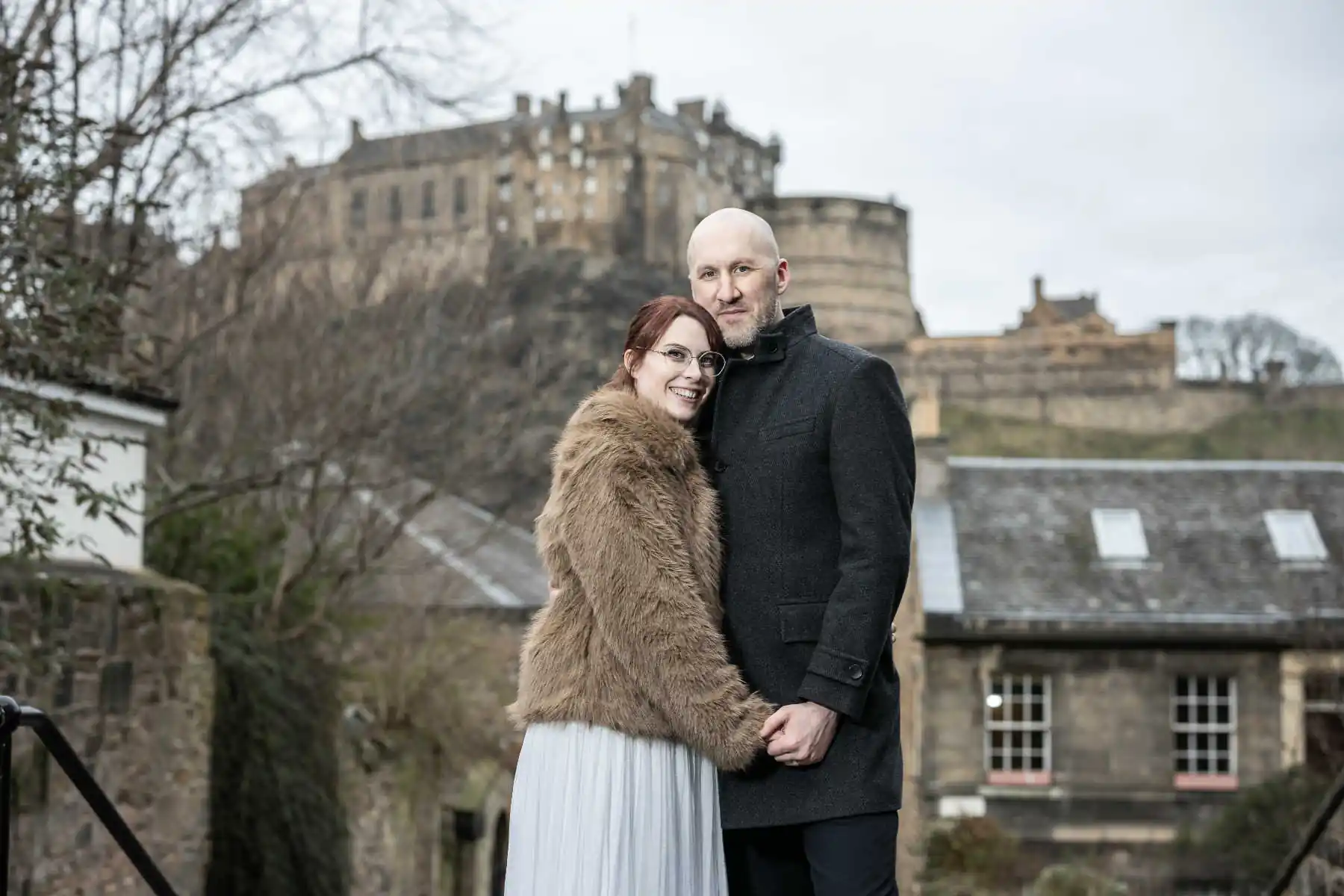
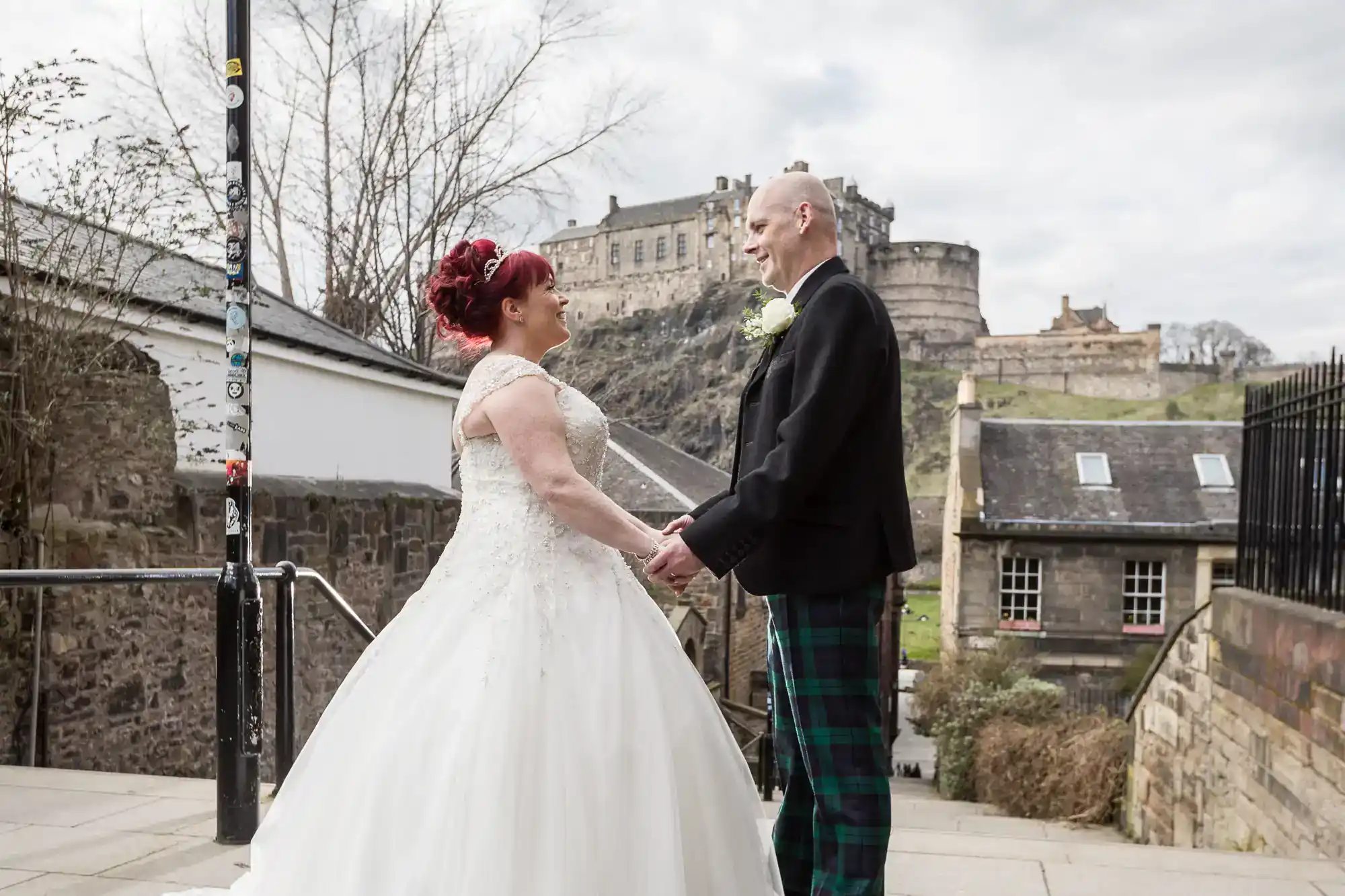
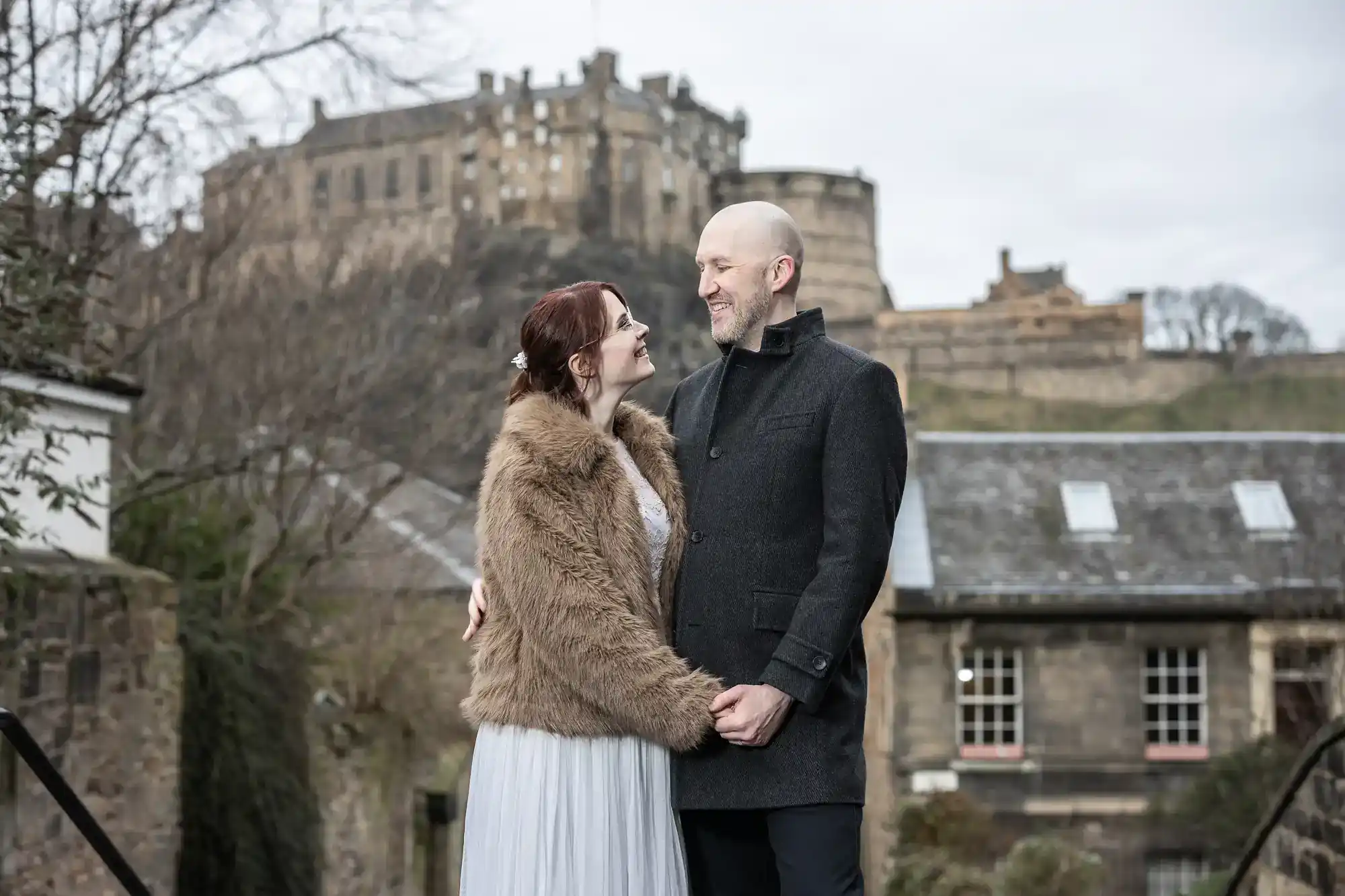
The Vennel is one of the best Edinburgh Castle photo spots, with the narrow stone steps creating a natural frame that leads your eye directly towards the Castle and its dramatic position on Castle Rock.
The word vennel is an old Scots term for a narrow lane or passage between buildings, but this particular Vennel has a much more interesting story than its name suggests. It climbs from the Grassmarket towards Lauriston Place through one of the oldest parts of Edinburgh’s Old Town.
At the top of the Vennel you can see one of the most important surviving fragments of Edinburgh’s Flodden Wall. After the disastrous Battle of Flodden in 1513, where King James IV and thousands of Scots were killed, Edinburgh began strengthening its town defences. The wall was extended around the Grassmarket and Cowgate, and the section beside the Vennel includes the only surviving tower of the Flodden Wall, complete with its original gun loops.
It creates an extraordinary contrast when you stand here today: medieval defensive stonework beside a narrow Old Town passage, with Edinburgh Castle rising above the rooftops in the distance.
That combination of history, layers of stone and the perfectly framed Castle view is why The Vennel has become one of the most photographed places in Edinburgh. It’s an instantly recognisable image, but knowing what surrounds you makes the view considerably more interesting than simply finding another Instagram backdrop.

Holyrood Park and Arthur’s Seat
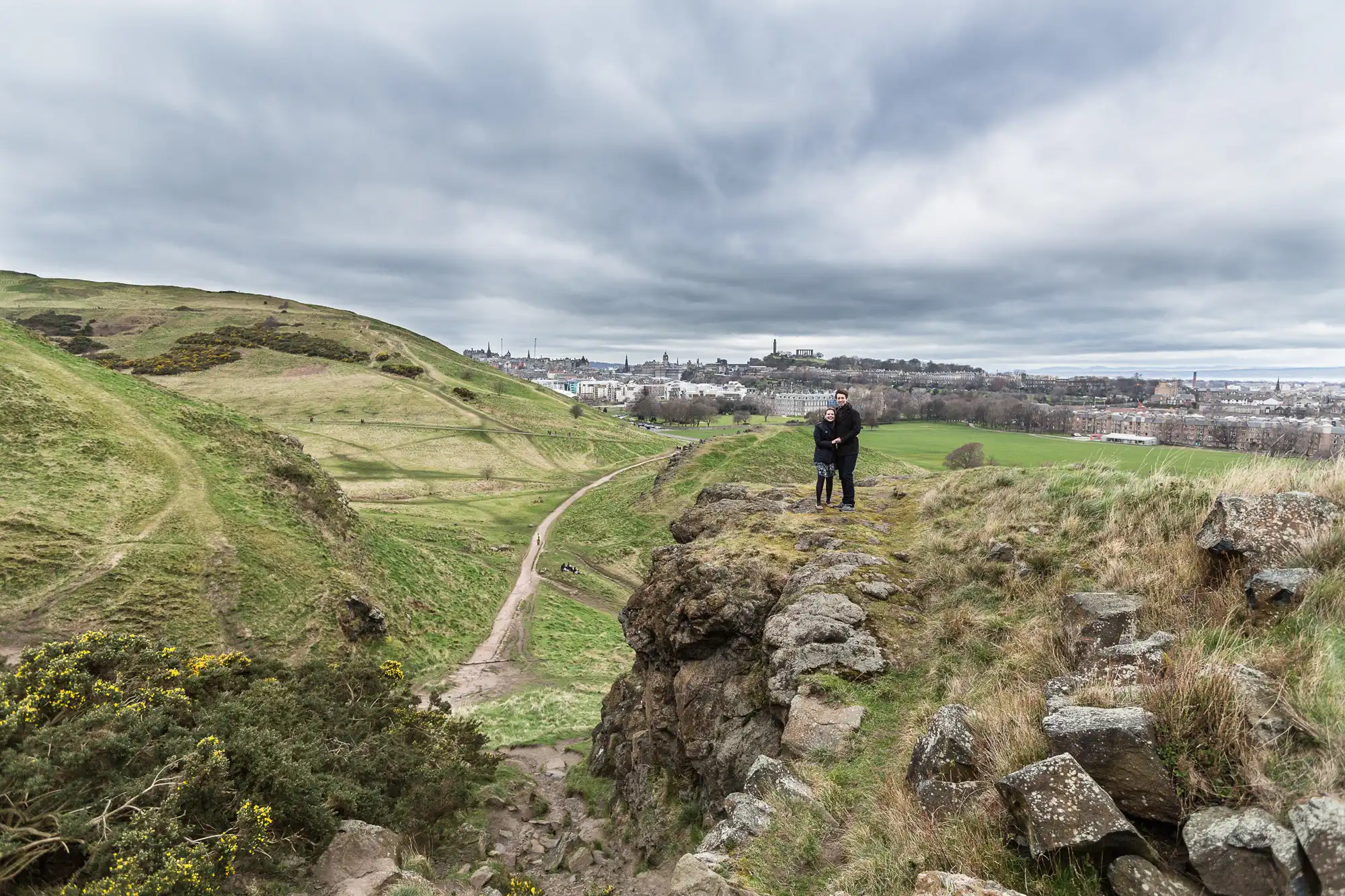
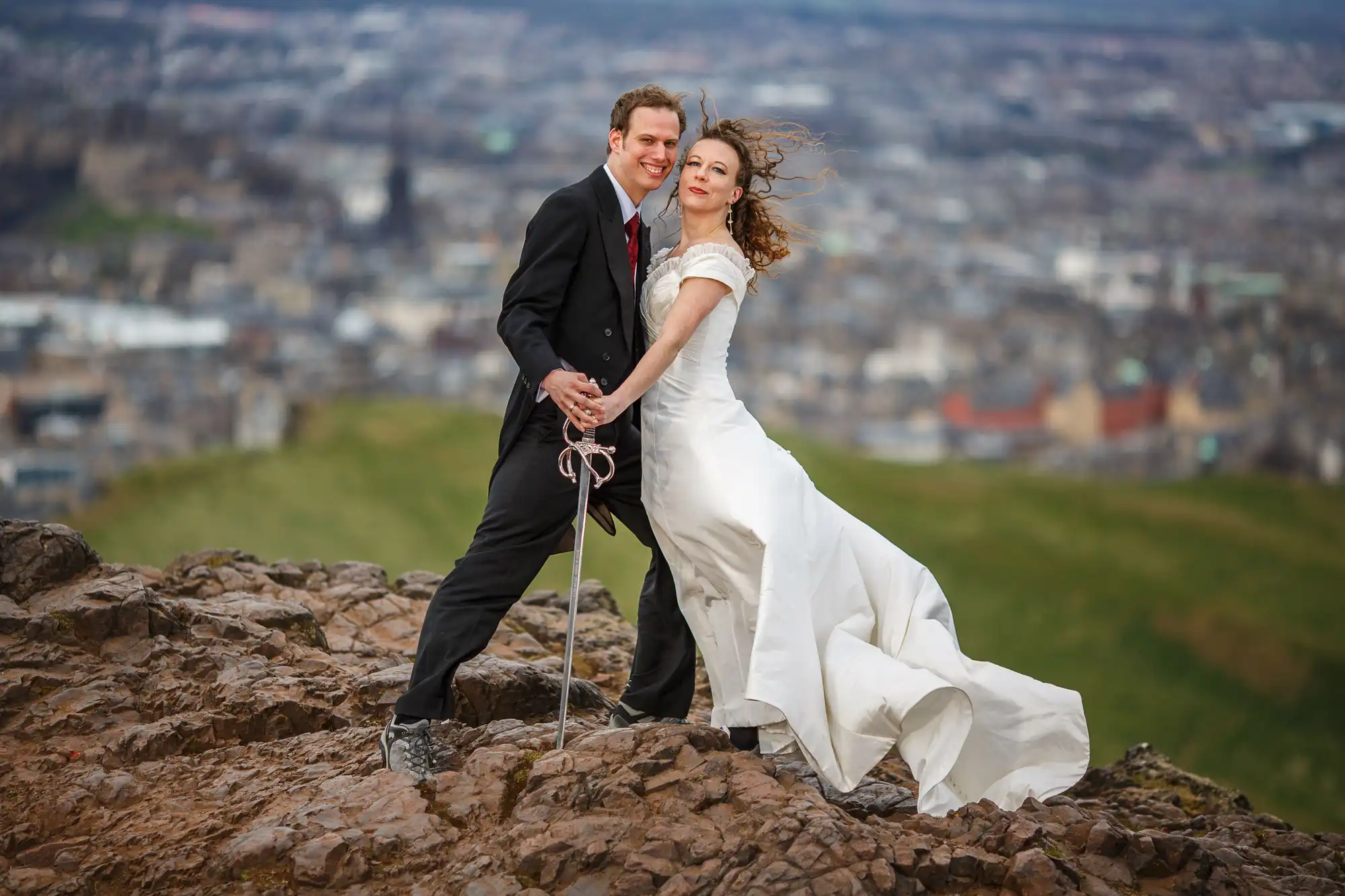
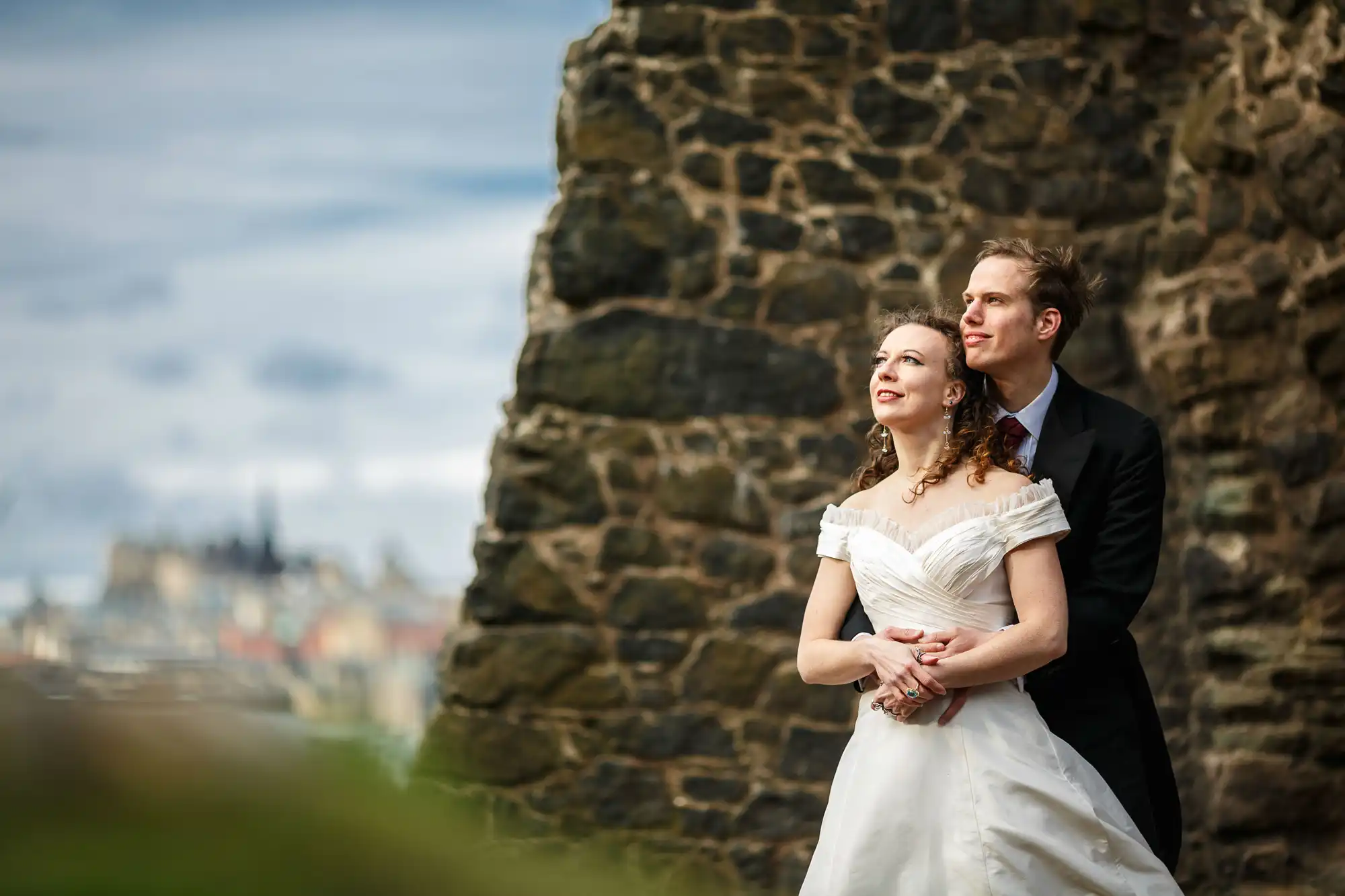
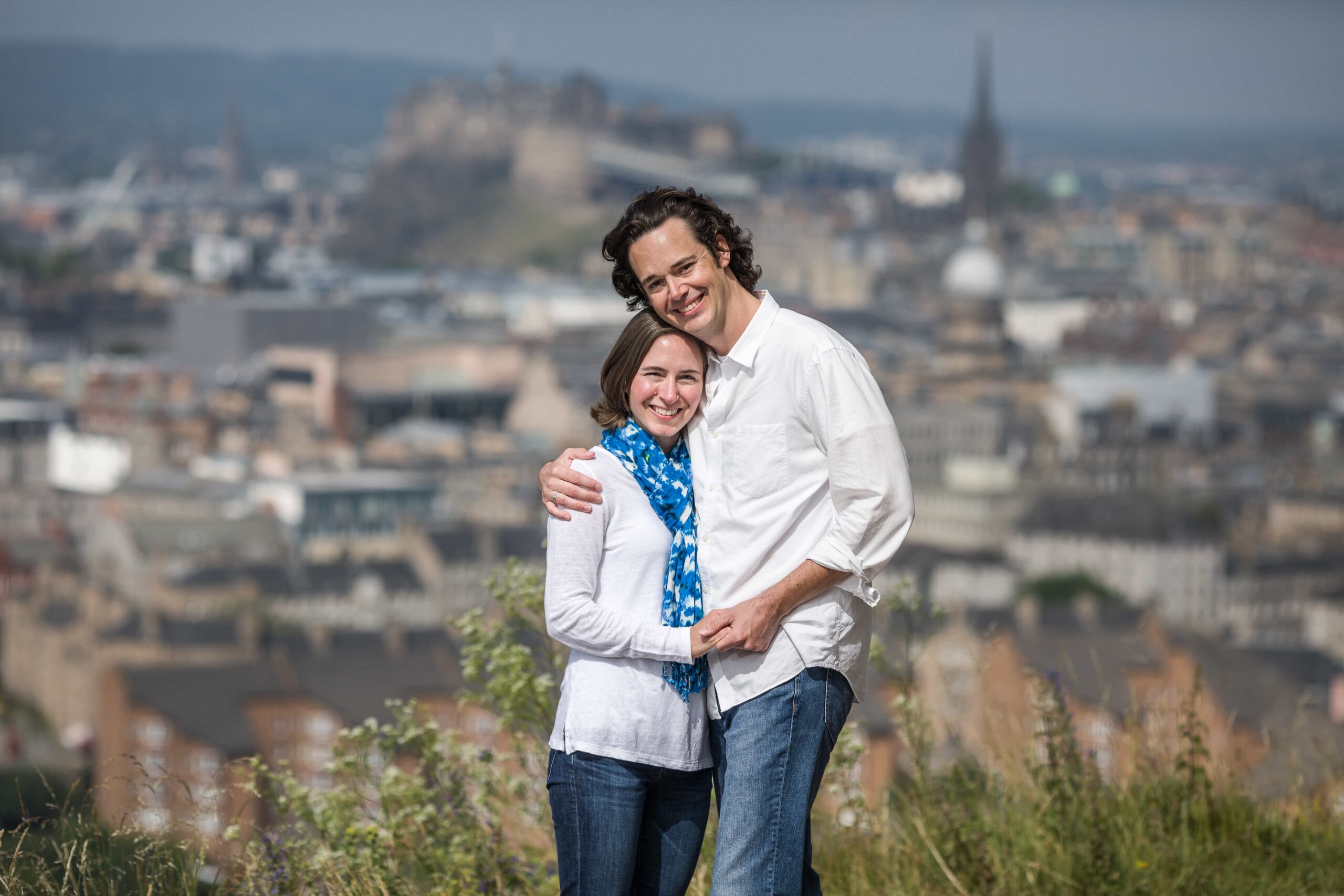
Arthur’s Seat and Holyrood Park offer one of the most remarkable contrasts in Edinburgh: a rugged volcanic landscape rising almost immediately beside the historic city centre. It’s one of the most scenic places in Edinburgh and gives photographs a completely different feel from the cobbled streets and stone architecture of the Old Town.
The landscape began forming hundreds of millions of years ago. Arthur’s Seat and Salisbury Crags are the remains of an ancient volcano that erupted around 340 million years ago. You can read more about Holyrood Park’s geology and history.
The geology here also played an important role in the history of science. During the Scottish Enlightenment, geologist James Hutton studied the rocks at Salisbury Crags. His observations helped him develop revolutionary ideas about the Earth’s immense age — ideas that became fundamental to modern geology.
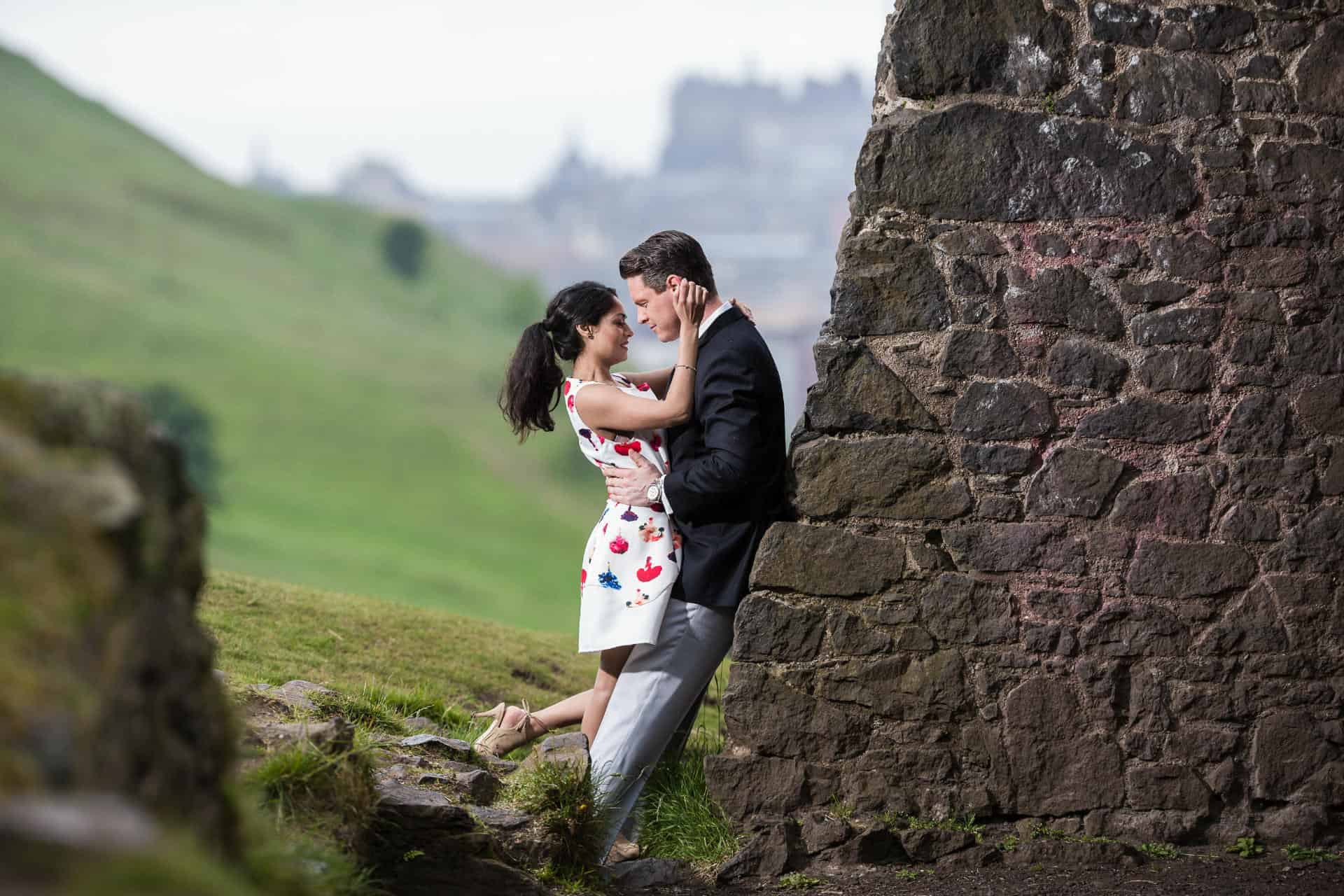
Human history here stretches back thousands of years too. Archaeological evidence shows people used the landscape from the Stone Age, while traces of Bronze Age settlement and ancient agricultural terraces still appear on the slopes. Higher above St Margaret’s Loch, the atmospheric ruins of St Anthony’s Chapel add another layer of history to an already dramatic landscape.
For photographs, you don’t necessarily need to climb all the way to the summit. Salisbury Crags, St Anthony’s Chapel, St Margaret’s Loch and the lower slopes of Arthur’s Seat all offer beautiful views and some of the most photogenic natural scenery in Edinburgh.
That mixture of volcanic rock, open grassland, ancient ruins and the Edinburgh skyline is what makes Holyrood Park one of the city’s most distinctive Instagrammable places — although, as with so much of Edinburgh, the real story beneath the photograph is considerably older than the city itself.
Princes Street Gardens & Ross Fountain
Princes Street Gardens sit in the valley between Edinburgh’s Old and New Towns, directly beneath Edinburgh Castle. Today they’re one of the city’s most photographed green spaces, but the landscape here has changed dramatically over the centuries.
Much of the gardens occupies the former site of the Nor’ Loch, the body of water that once formed part of Edinburgh’s natural defences below Castle Rock. As the New Town developed in the late 18th and early 19th centuries, the loch was drained, and the valley was gradually transformed into landscaped gardens. West Princes Street Gardens opened in the early 19th century, and the city eventually took them over in 1876.
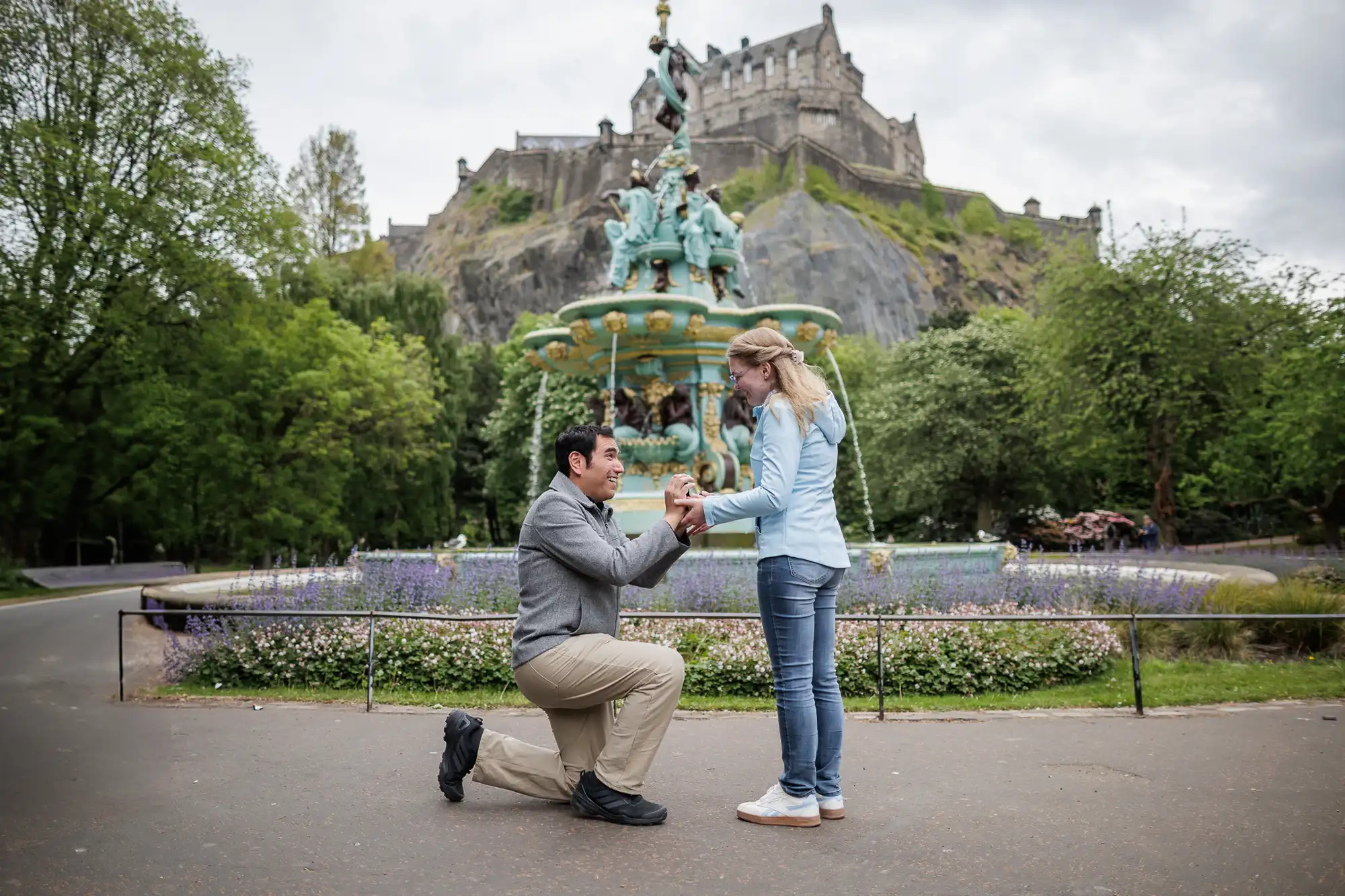
The most recognisable feature for photographs is the Ross Fountain, with Edinburgh Castle towering above it. The ornate cast-iron fountain was made in France in 1862 and displayed at the International Exhibition in London before Edinburgh gunsmith Daniel Ross bought it and gifted it to the city. It was eventually installed in the gardens in 1872. Its elaborate figures represent Science, Art, Industry and Poetry.
That combination of colourful fountain, green gardens and Castle Rock creates one of the classic Edinburgh Castle photo spots and one of the city’s most recognisable views.
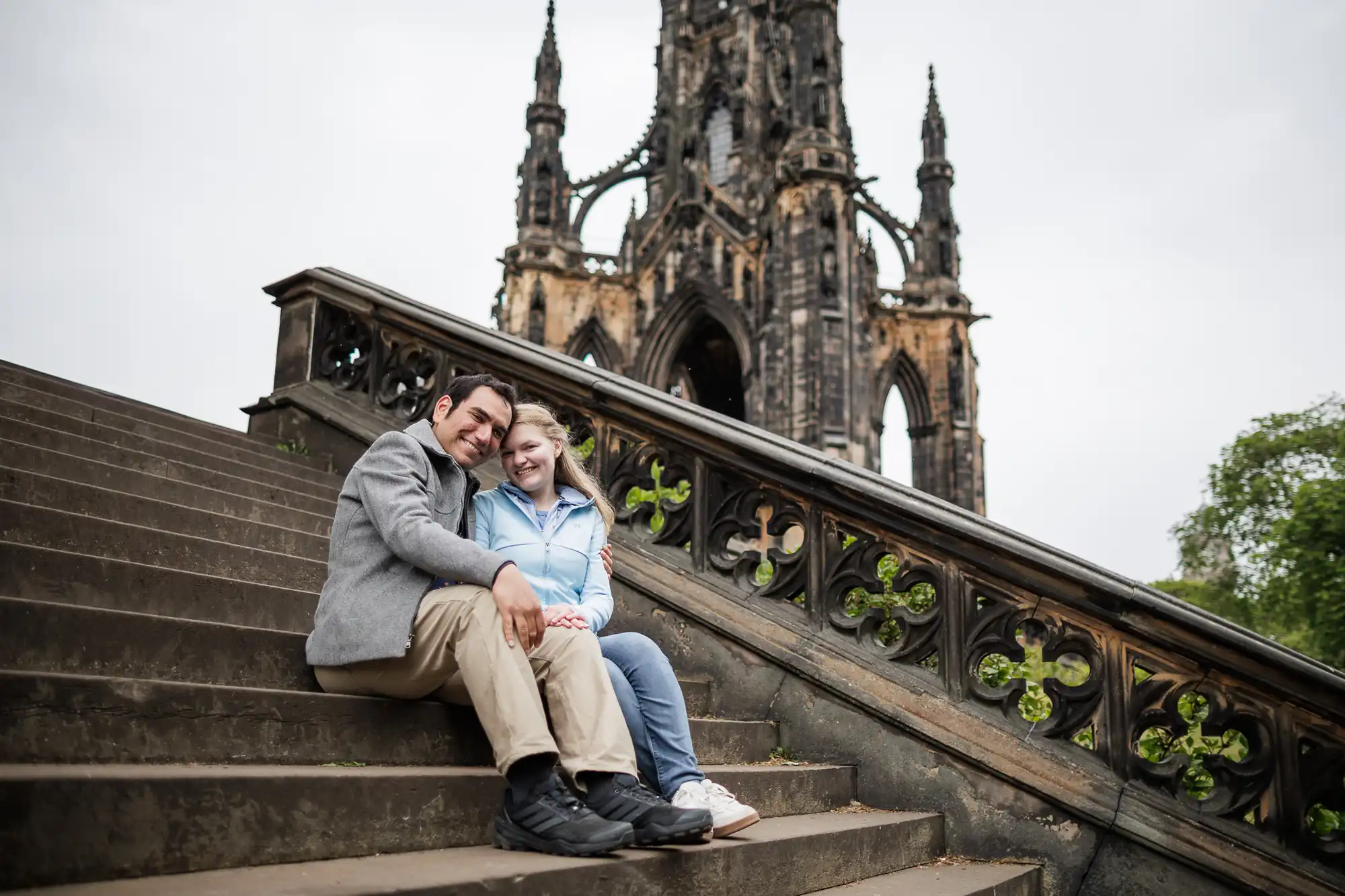
There’s more to photograph here than the fountain, though. The gardens also offer views towards the Scott Monument, seasonal planting, mature trees and the dramatic contrast between the medieval Old Town rising above the valley and the ordered Georgian New Town on the other side.
For anyone looking for picturesque places in Edinburgh, Princes Street Gardens works so well because several layers of the city are visible at once: landscape, architecture, monuments and Edinburgh Castle all packed into a relatively small area.

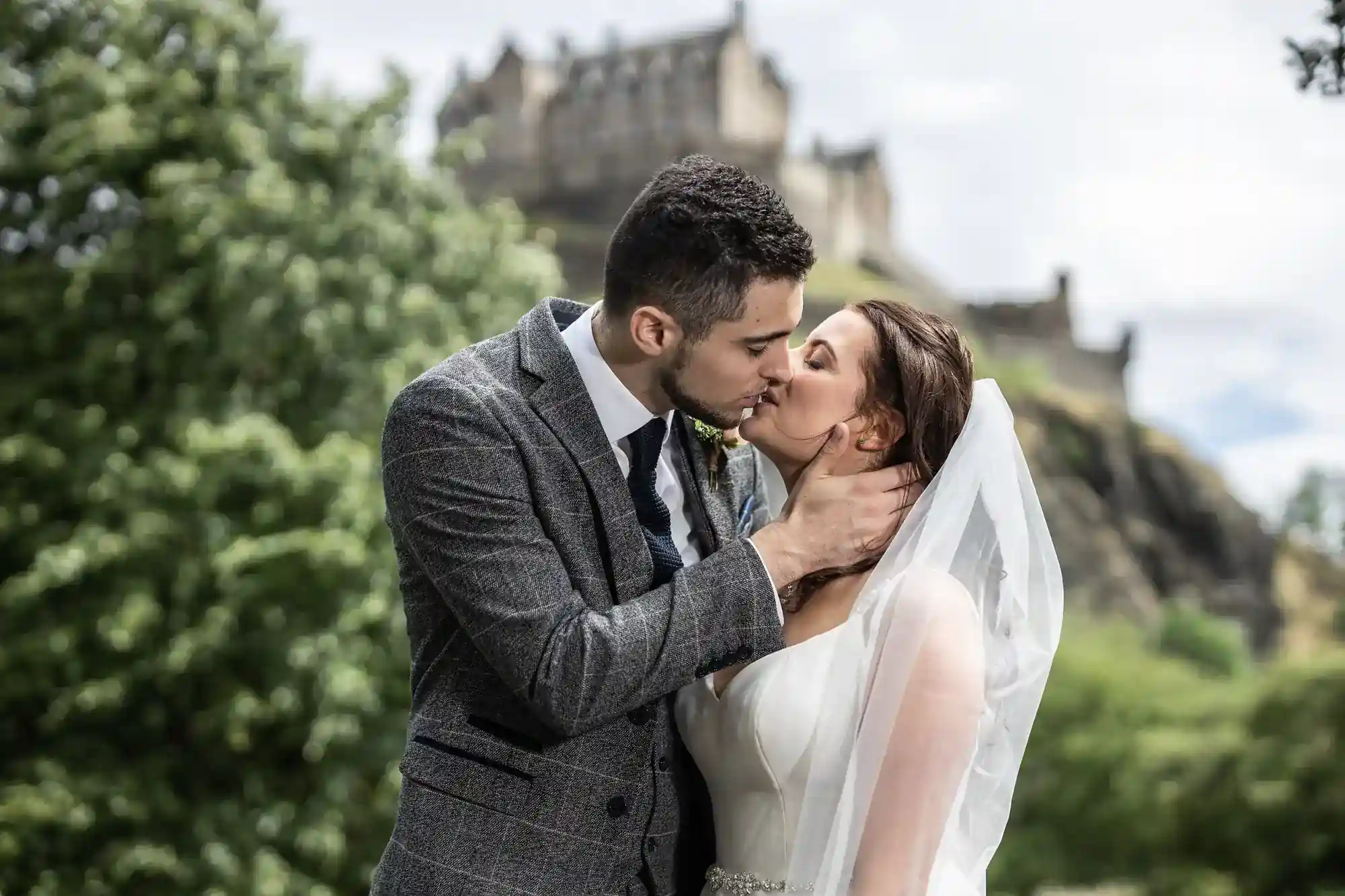
The Royal Mile: Five Historic Streets in One
On a map, you won’t actually find one continuous street called “The Royal Mile” running through Edinburgh’s Old Town. The name refers to a sequence of historic streets that together form the famous route between Edinburgh Castle at the top of the hill and the Palace of Holyroodhouse at the bottom.
From west to east, the Royal Mile is made up of:
Castlehill → Lawnmarket → High Street → Canongate → Abbey Strand
Each section has its own character and history.
Castlehill is the narrow uppermost stretch beside Edinburgh Castle. It opens into the broader Lawnmarket, which runs down towards George IV Bridge and Bank Street. From there, the route becomes the High Street, passing landmarks including St Giles’ Cathedral and Edinburgh City Chambers.
Further downhill, beyond the historic site of the Netherbow Port, the street becomes the Canongate. This was once a separate burgh from Edinburgh and developed around Holyrood Abbey, giving this part of the Royal Mile a noticeably different character. At the very bottom, the short Abbey Strand leads towards the Palace of Holyroodhouse and the remains of Holyrood Abbey.
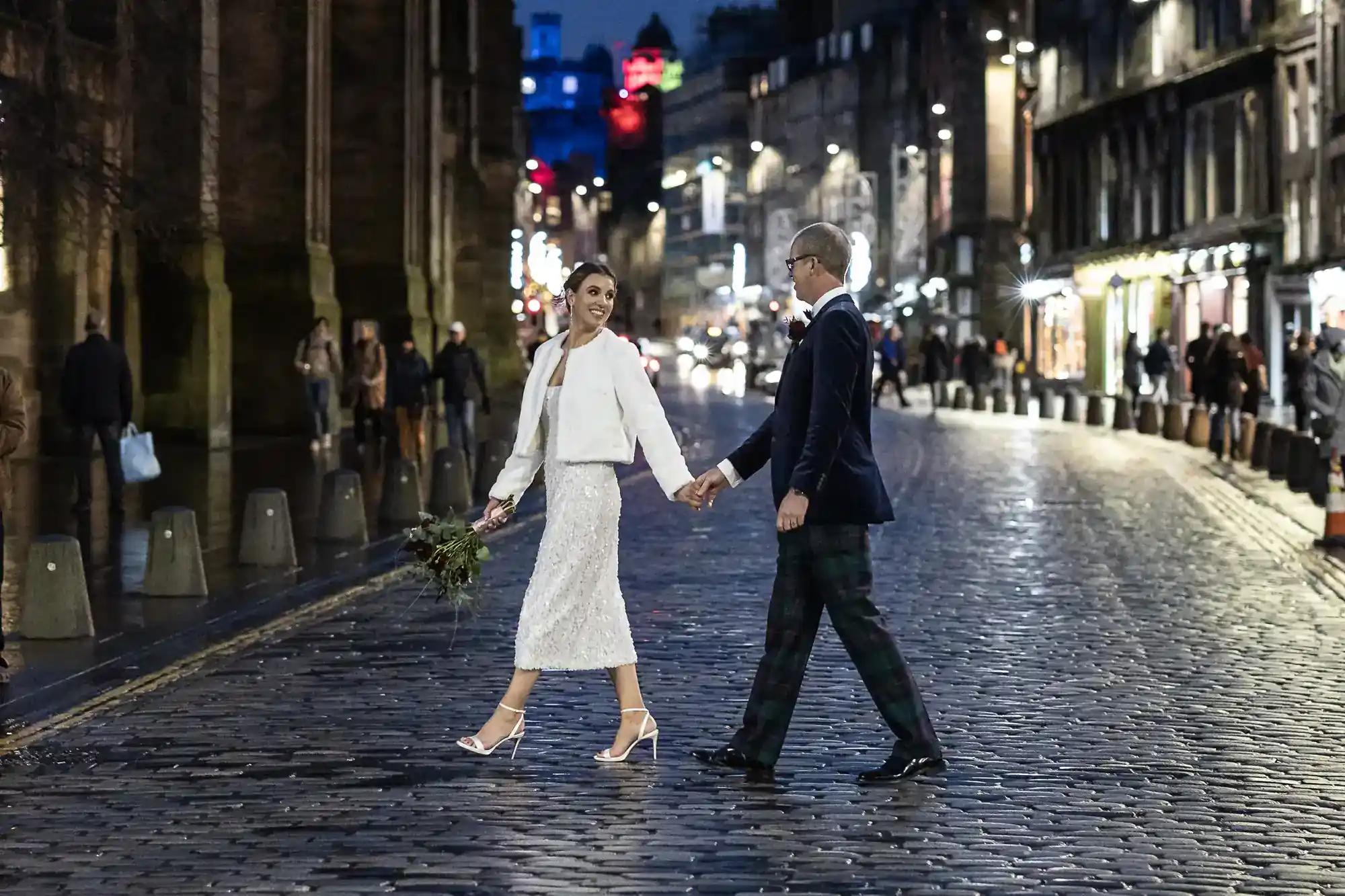
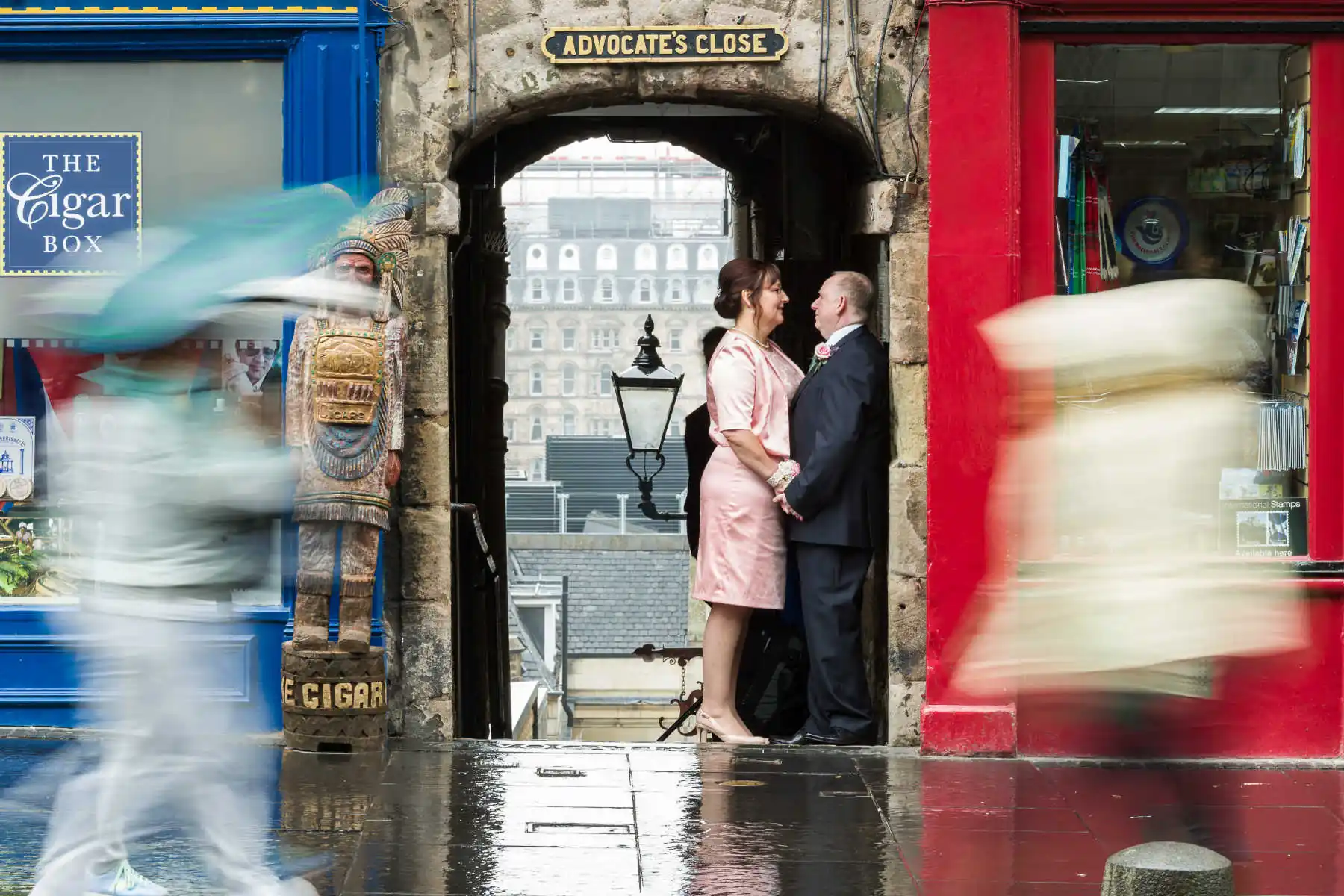
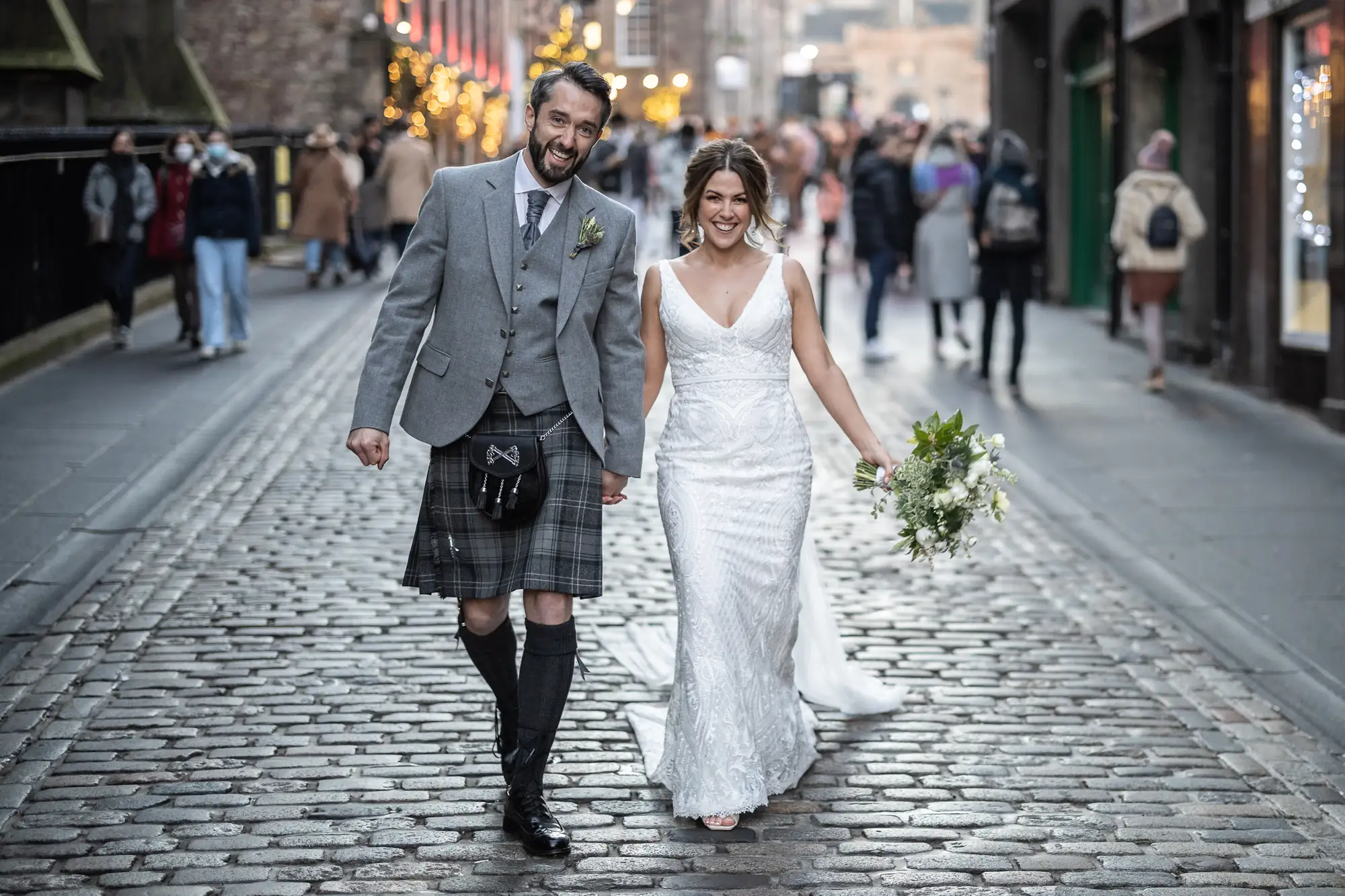
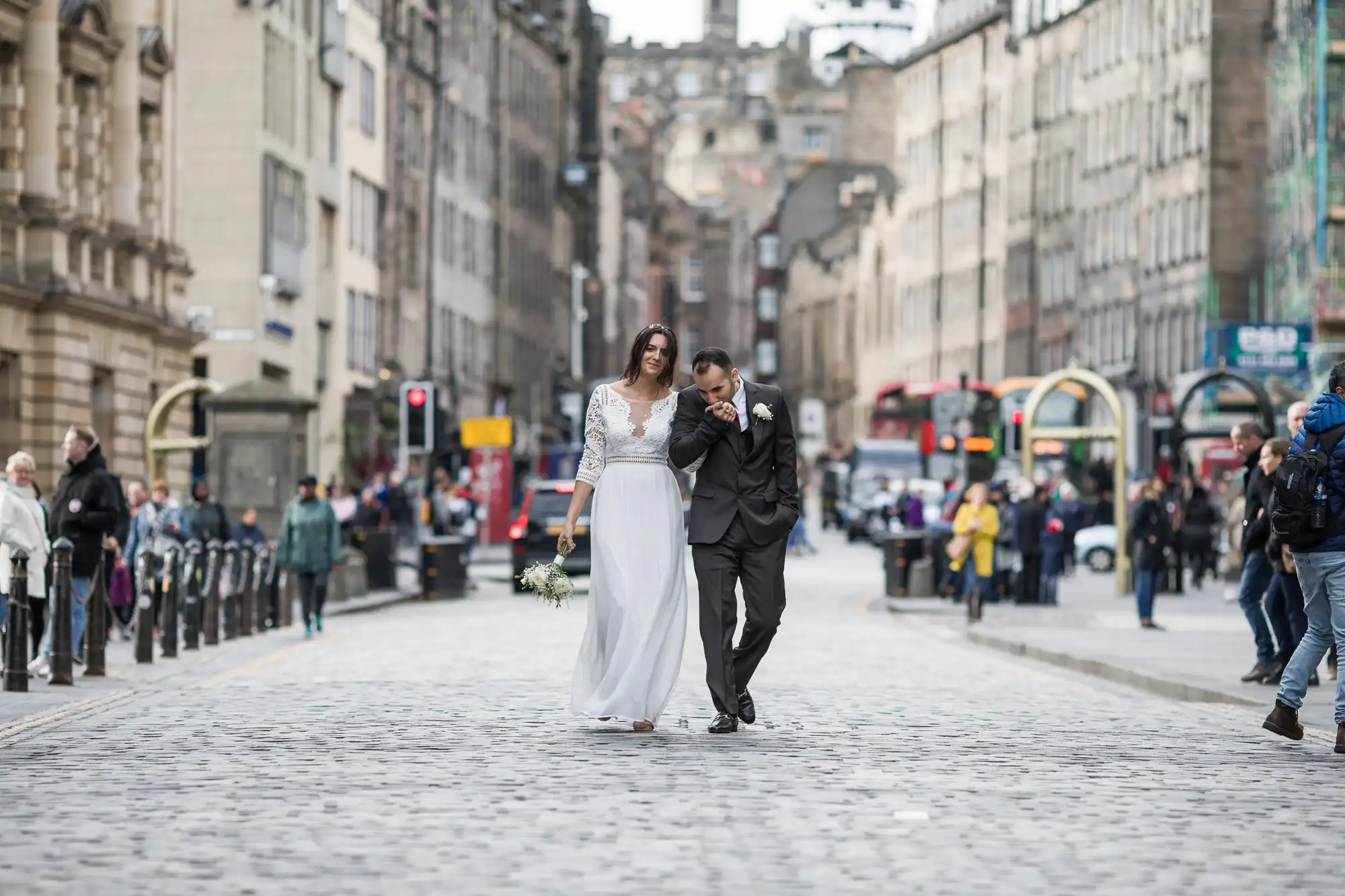
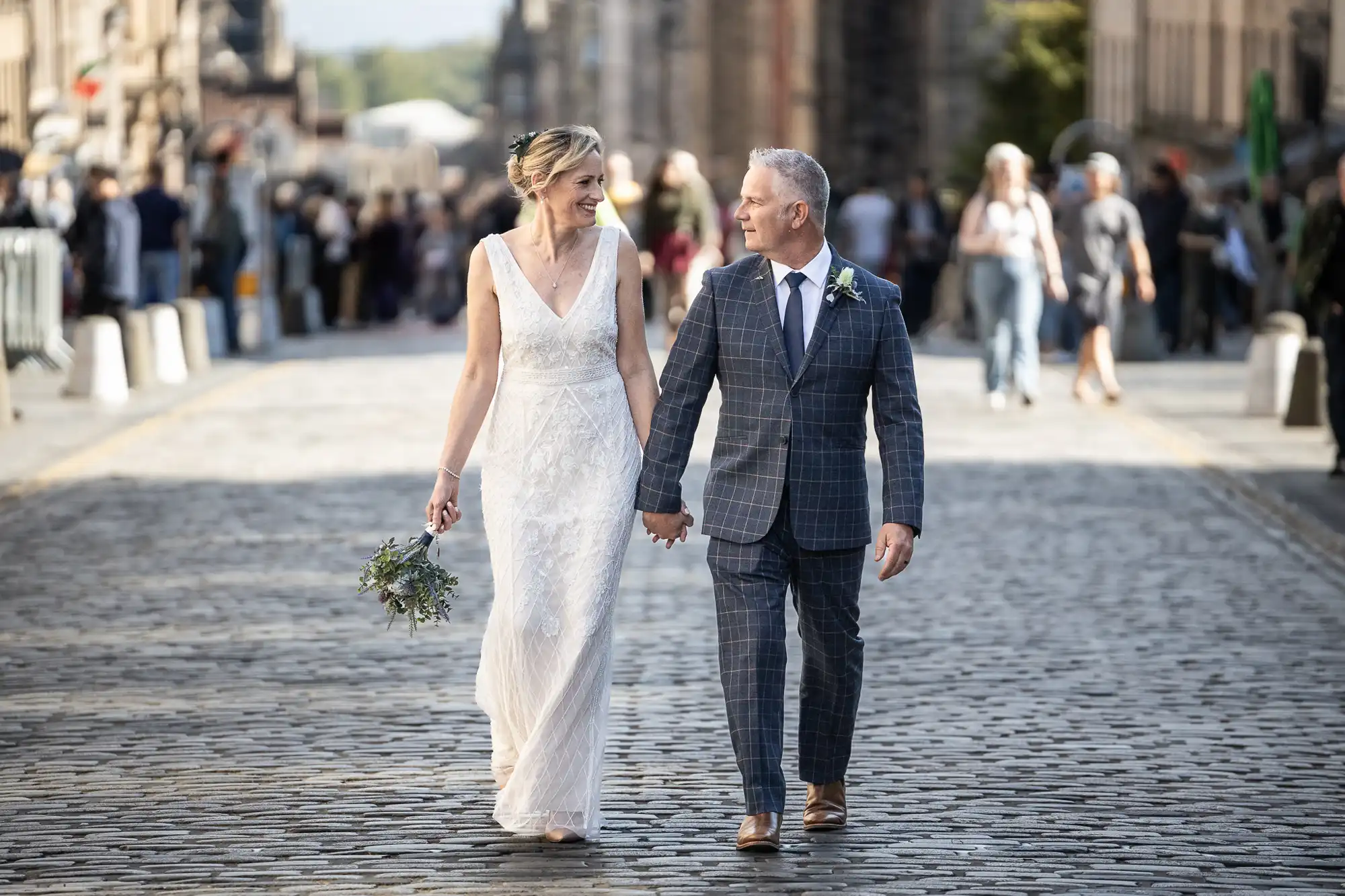
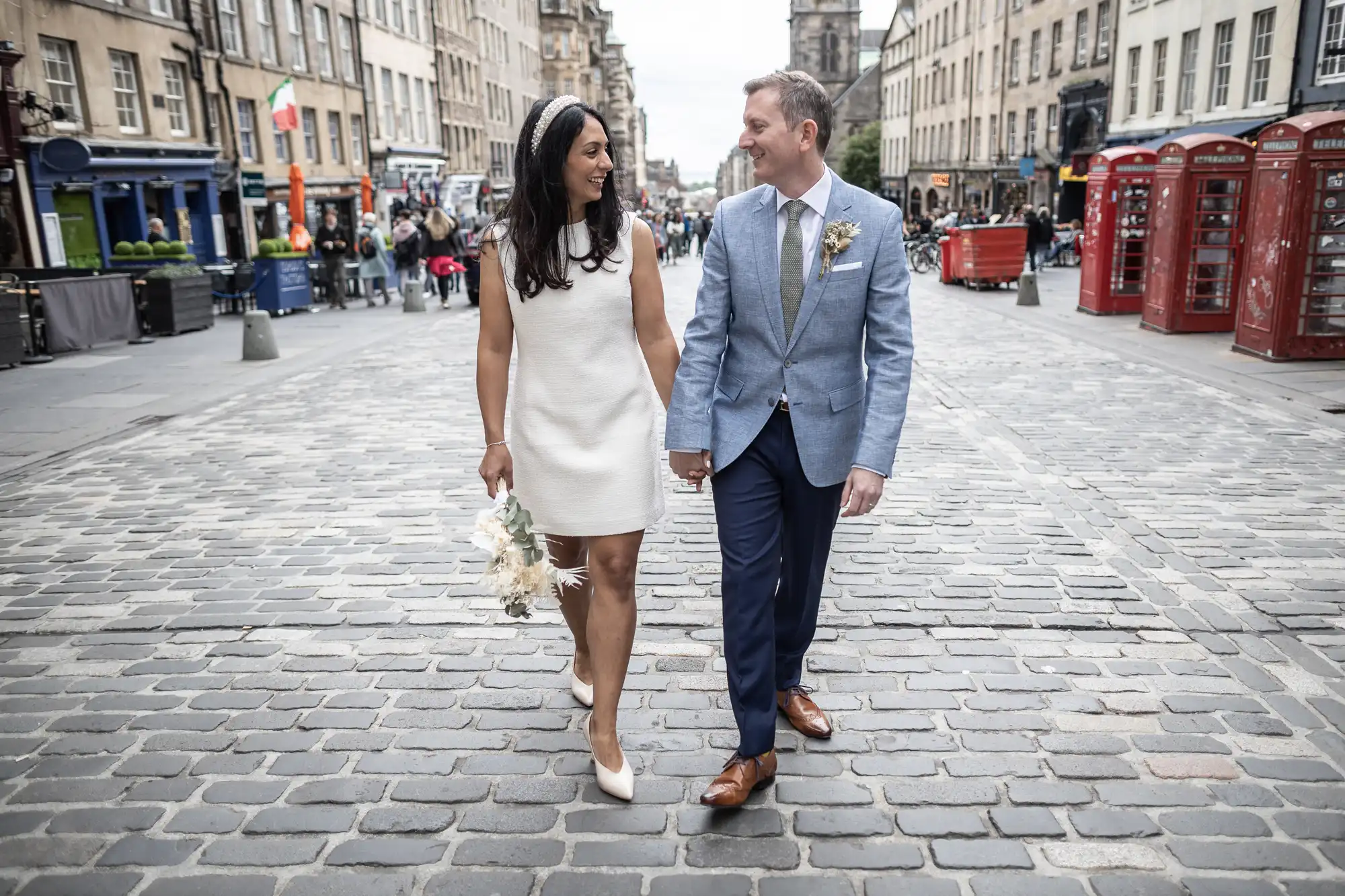
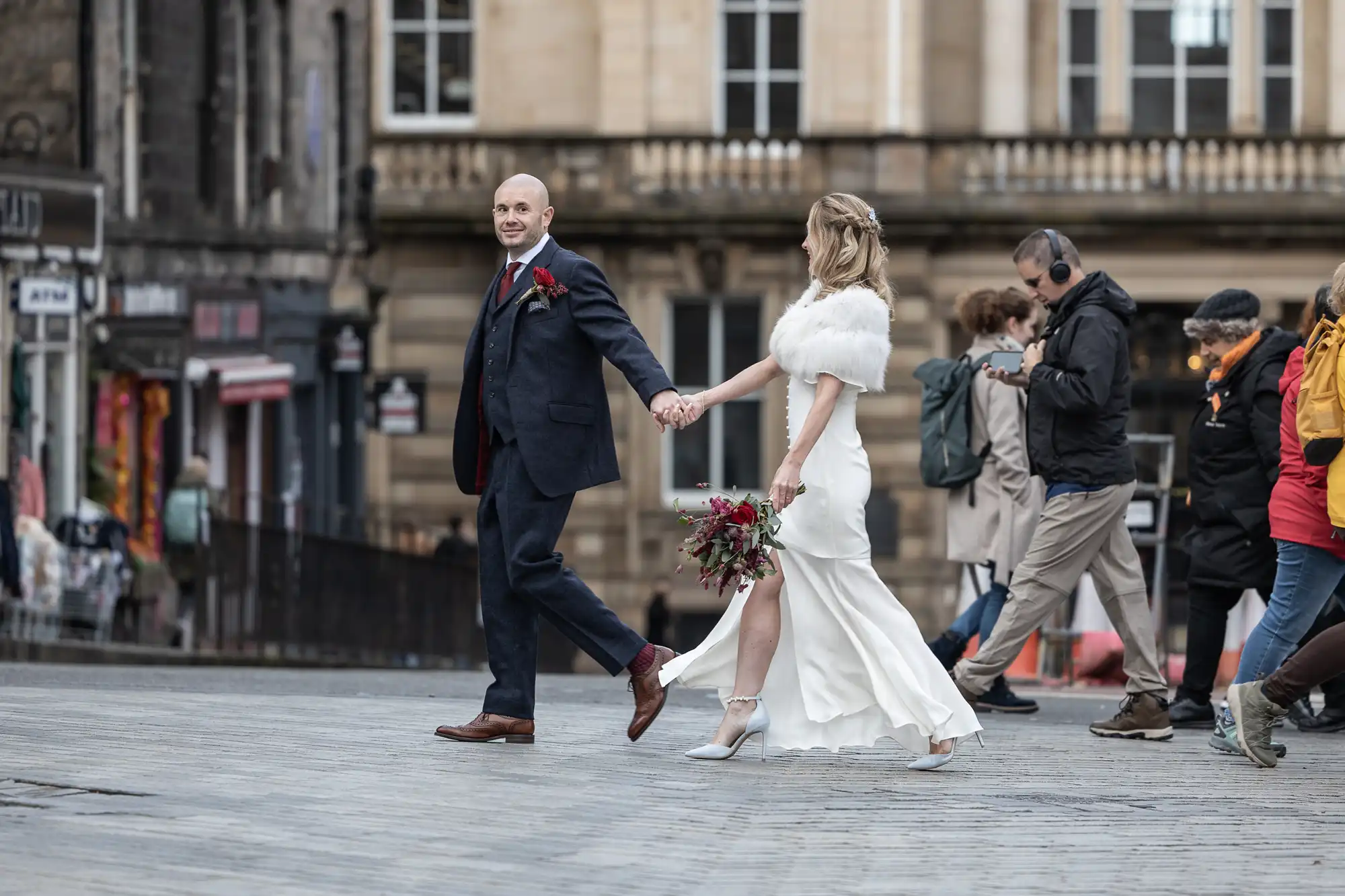
For photographs, the Royal Mile is less about one single viewpoint and more about the extraordinary variety packed along its length. Narrow closes and courtyards branch away from the main street, opening up framed city views, stone stairways and quieter pockets just metres from the busiest part of the Old Town.
Some of our favourite spots include Advocates Close, Byre’s Close and Milne’s Court, where the tight medieval street pattern creates some of the most distinctive Edinburgh photo spots.
It’s also one of the best places to appreciate how Edinburgh developed vertically as well as horizontally: tall tenements rise above narrow closes, while the street follows the ridge from the Castle down towards Holyrood. That layered architecture is a big part of why the Royal Mile remains one of the most photogenic places in Edinburgh.




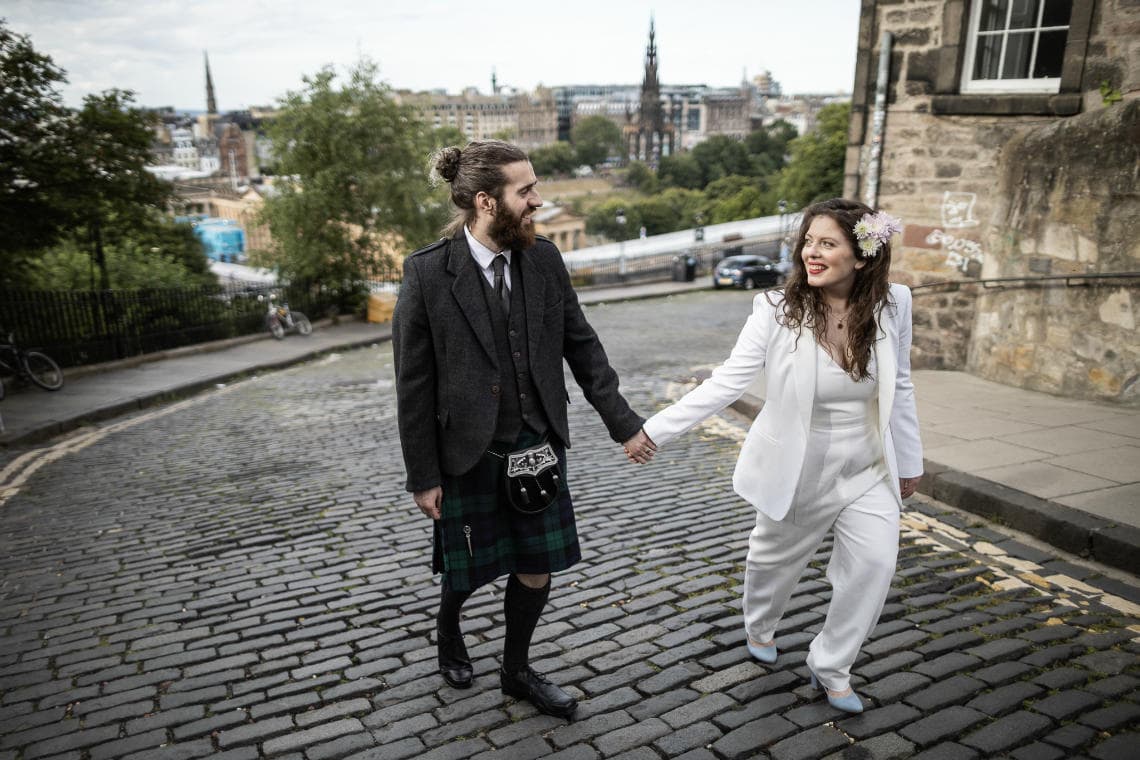
New College, University of Edinburgh — The Mound
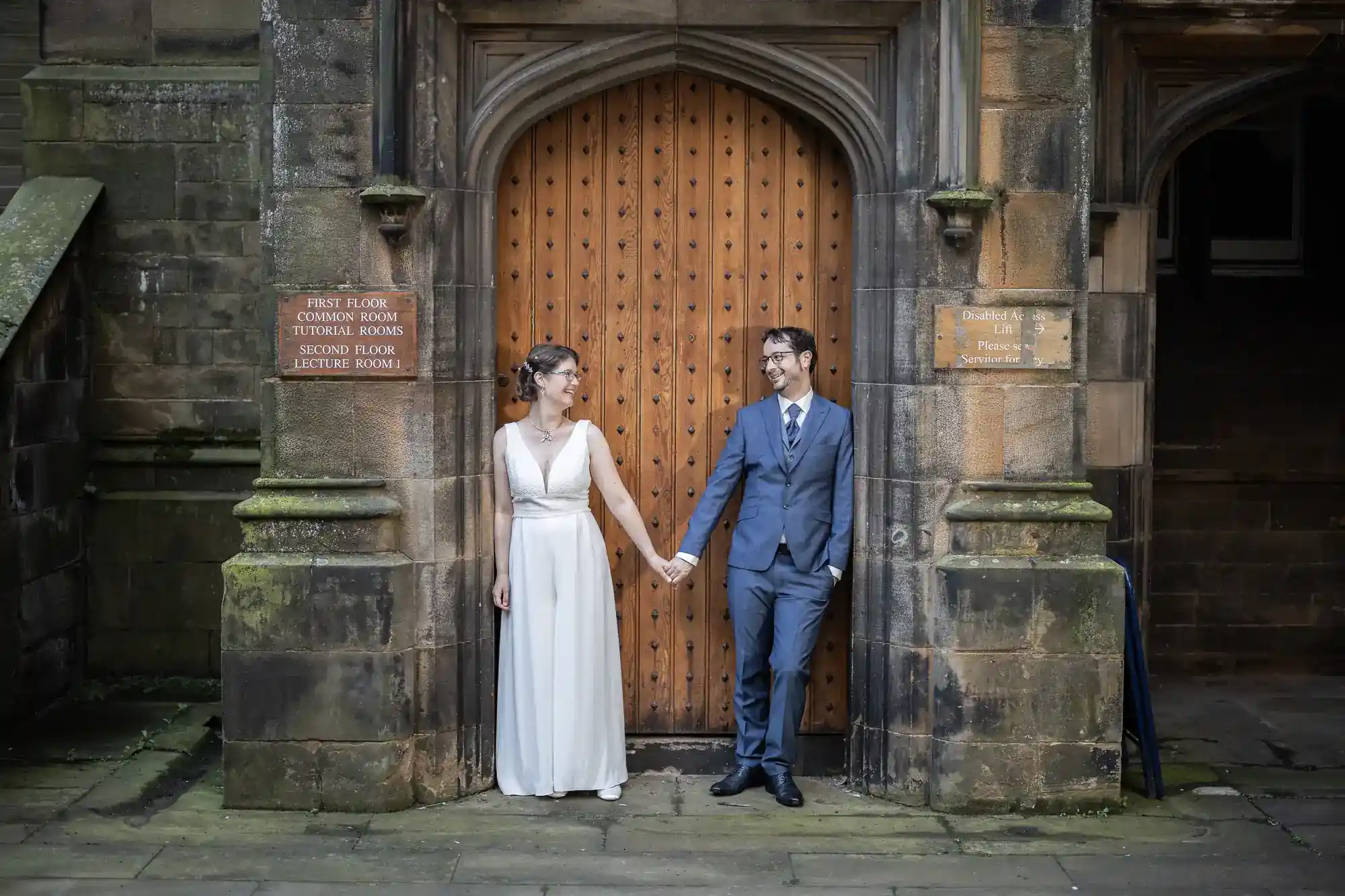
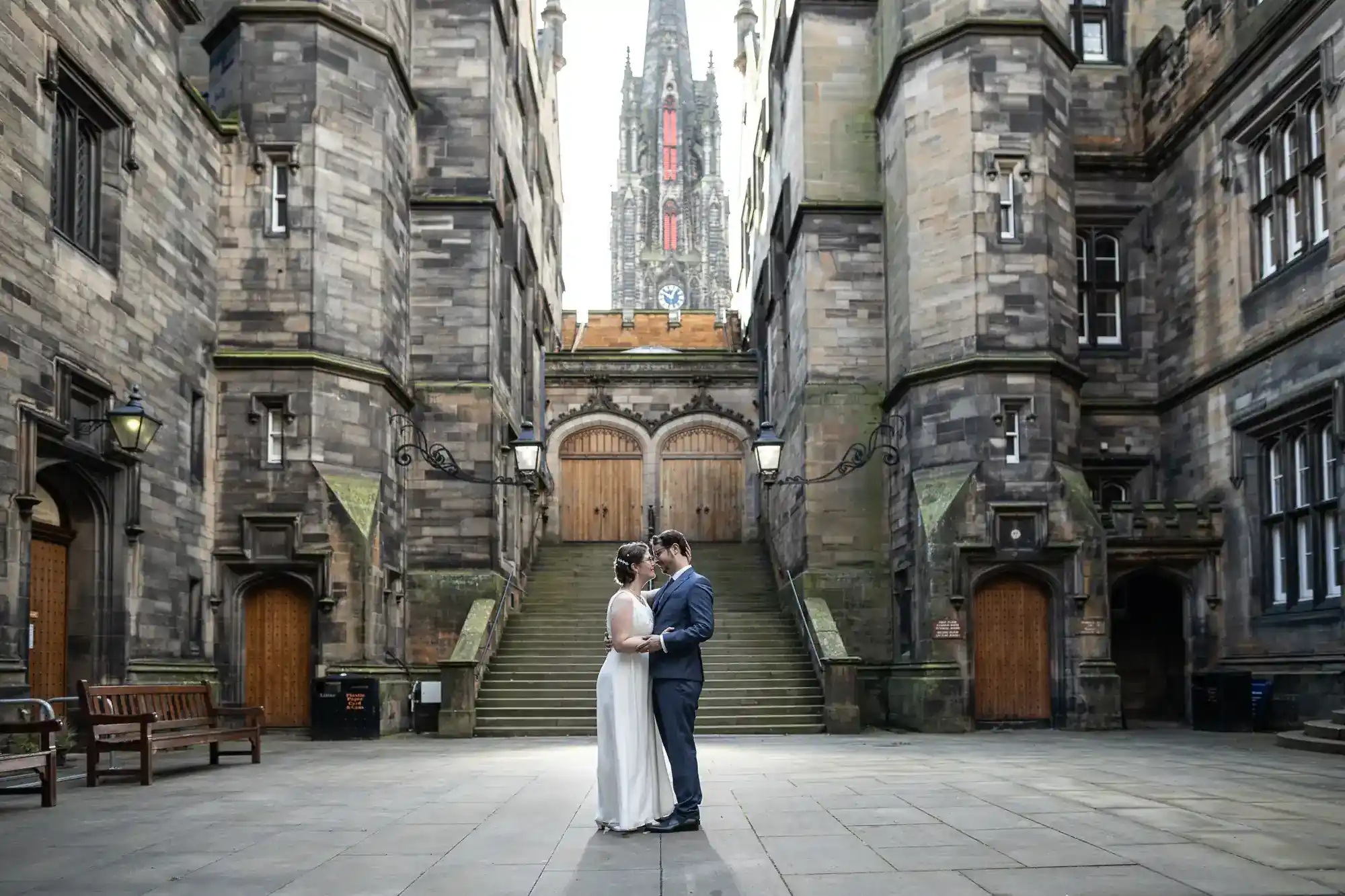
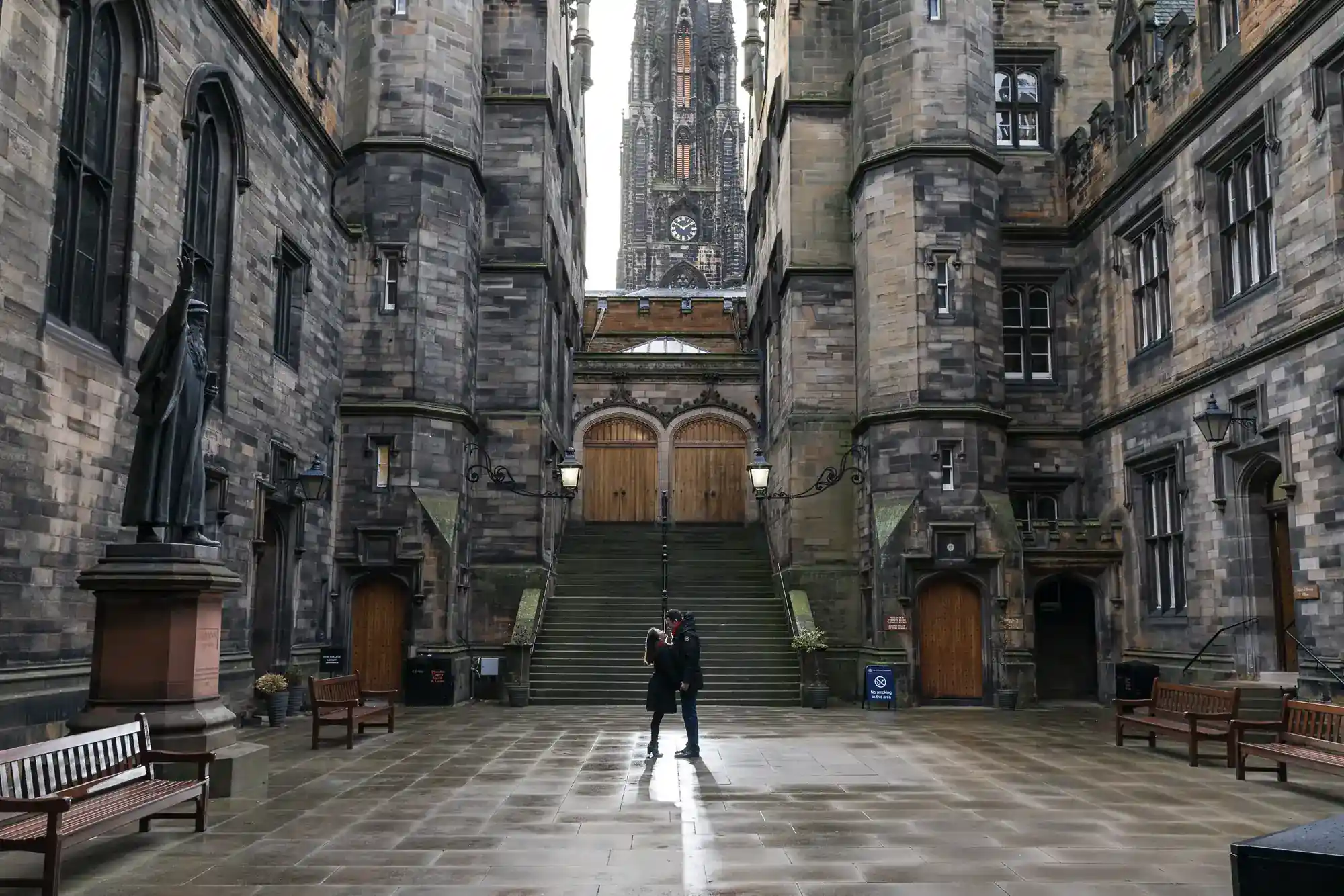
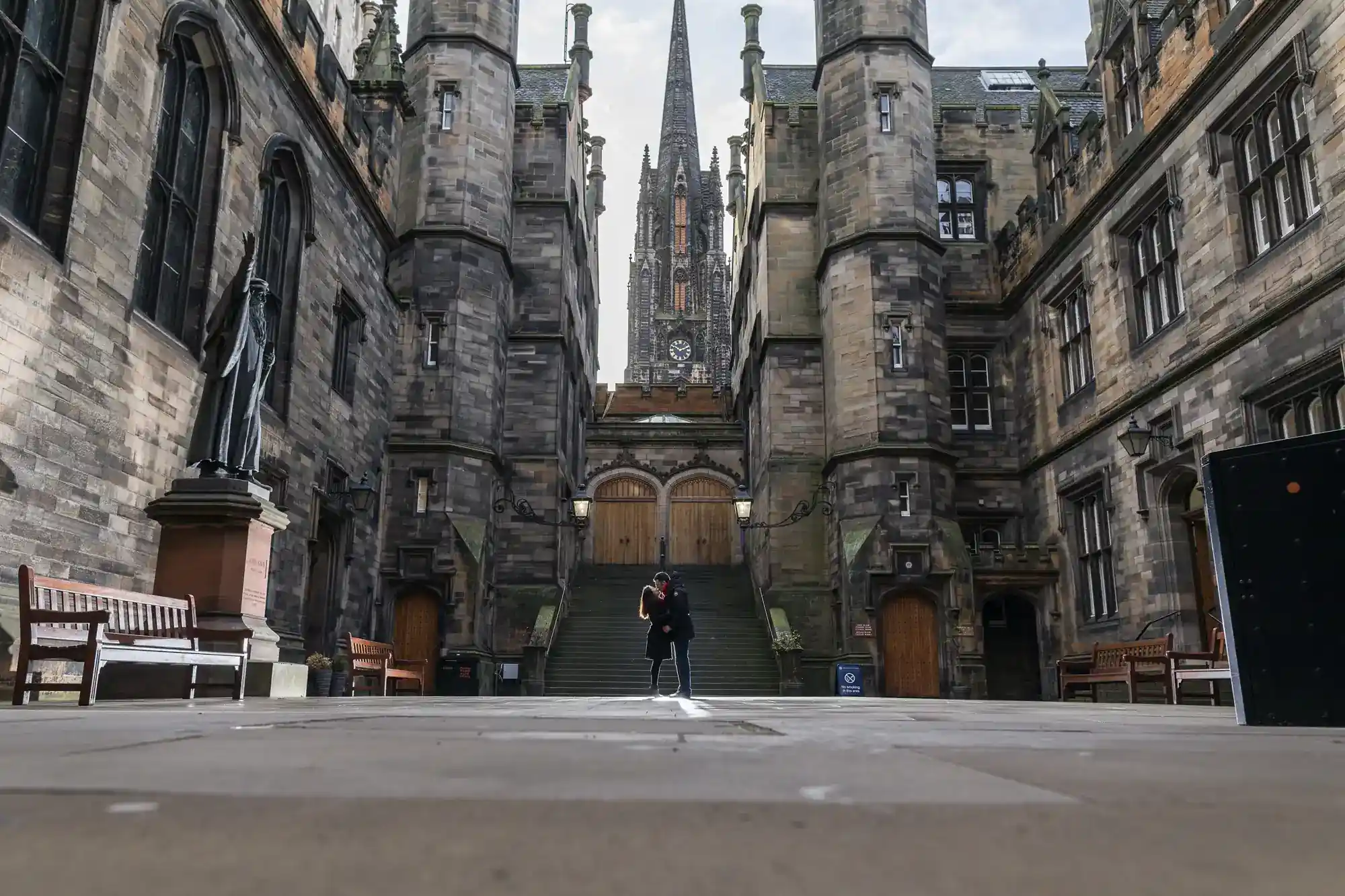
New College is one of the most distinctive buildings on Edinburgh’s skyline, with its twin towers rising above The Mound and framing views across the city. Its Gothic architecture gives photographs a completely different feel from the classical buildings of the New Town below.
The building has a fascinating connection to one of the biggest religious upheavals in Scottish history. In 1843, the Disruption split the Church of Scotland, with hundreds of ministers leaving to form the new Free Church of Scotland. The Free Church needed a theological college to train its ministers, so it created New College for that purpose.
Thomas Chalmers laid the foundation stone in 1846, and William Henry Playfair designed the building, one of the architects responsible for much of the monumental 19th-century Edinburgh we recognise today. Historic Environment Scotland describes the complex as a Tudor Collegiate theological college built around a quadrangle.
Inside the courtyard stands a bronze statue of John Knox, while the twin towers and arched entrance create one of the most dramatic architectural compositions on The Mound.
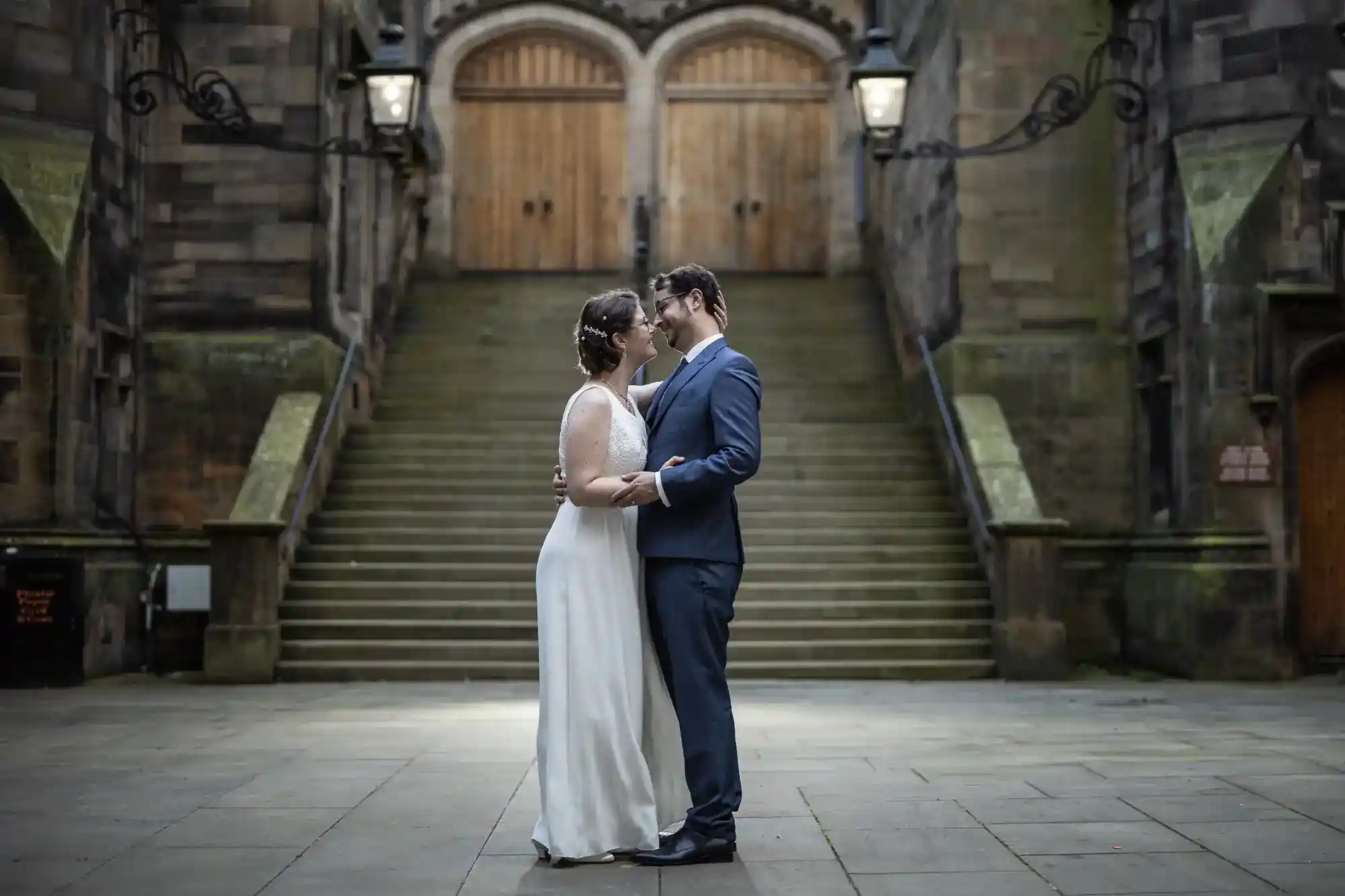
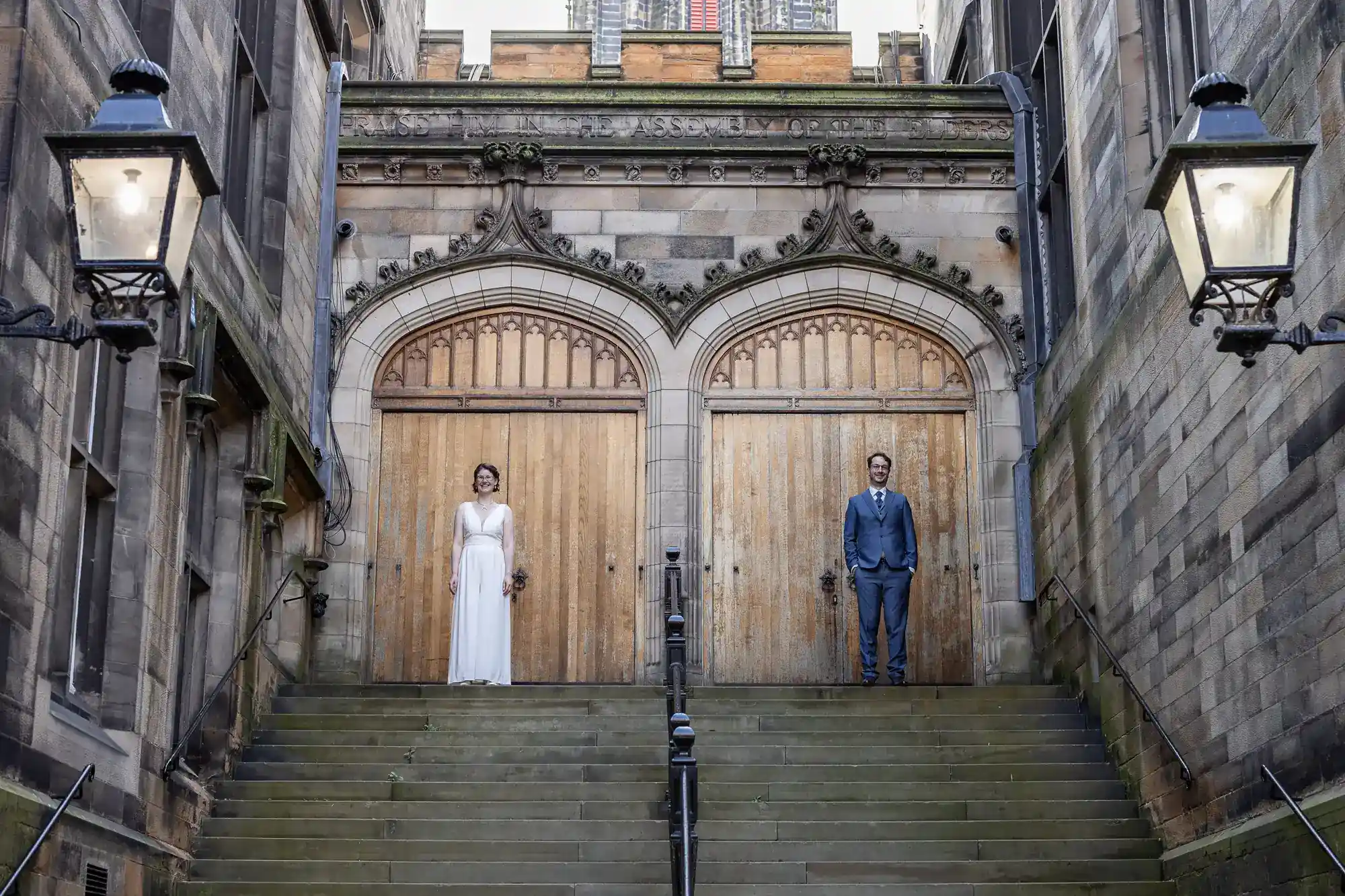
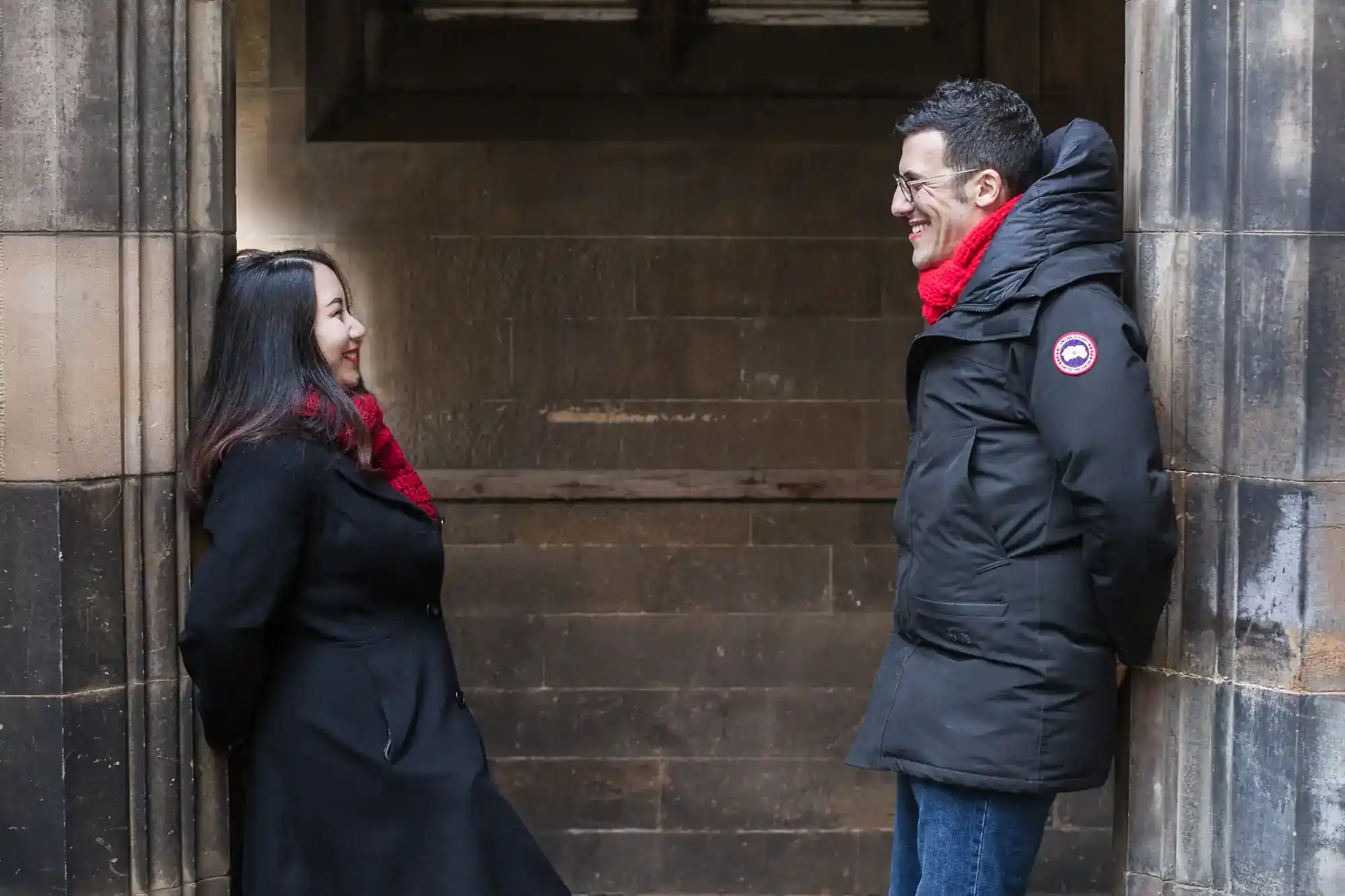
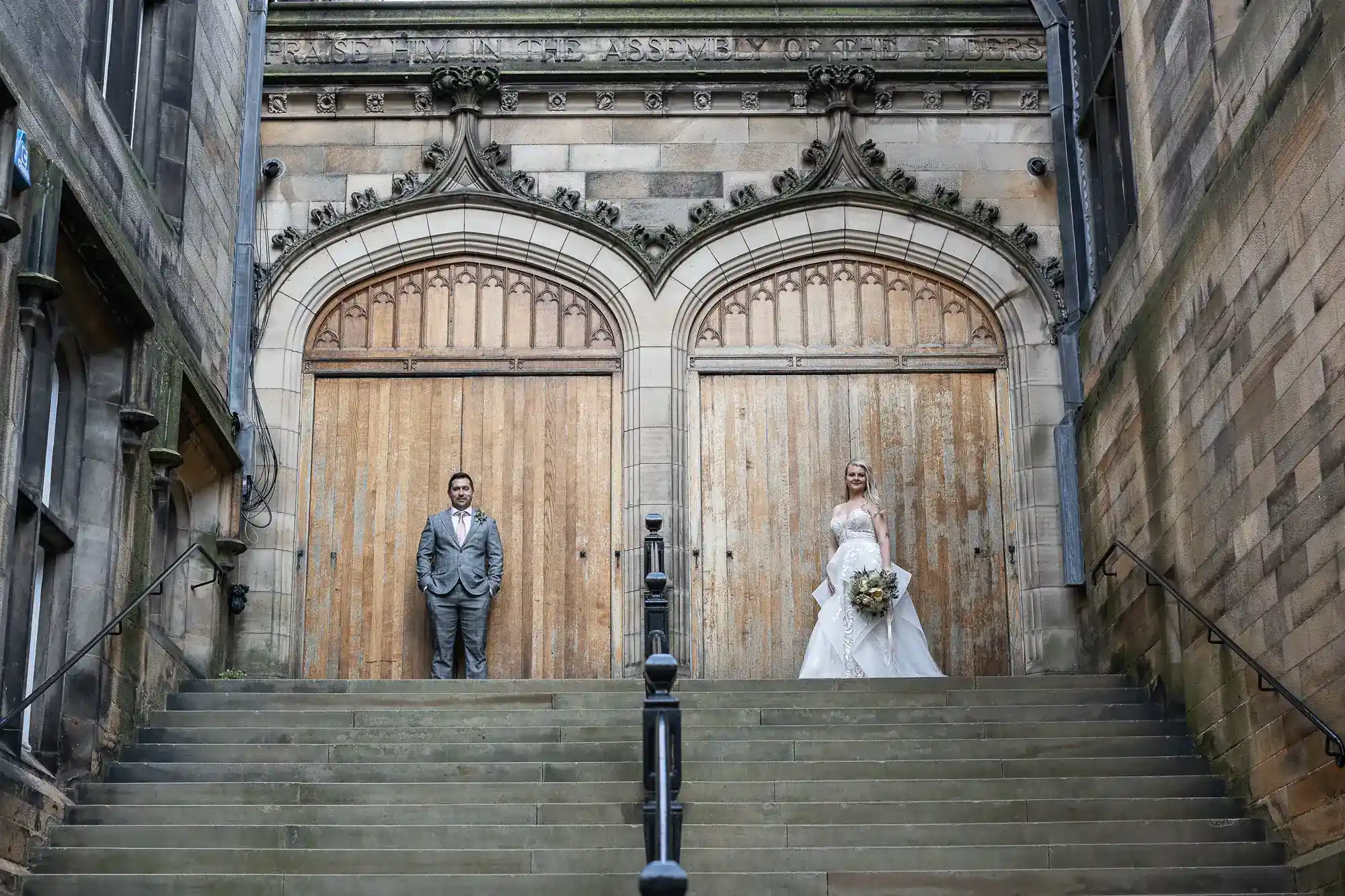
For photographs, I particularly like using the courtyard with the stone steps rising behind the couple and the large wooden doors at the top. The symmetry, depth and darker timber against the pale stone give the scene a strong, architectural feel without needing to leave the courtyard.
It’s easy to see why New College appeals to visitors looking for more atmospheric or Gothic Edinburgh Instagram spots, but its real history gives the building considerably more substance than its appearance alone suggests.
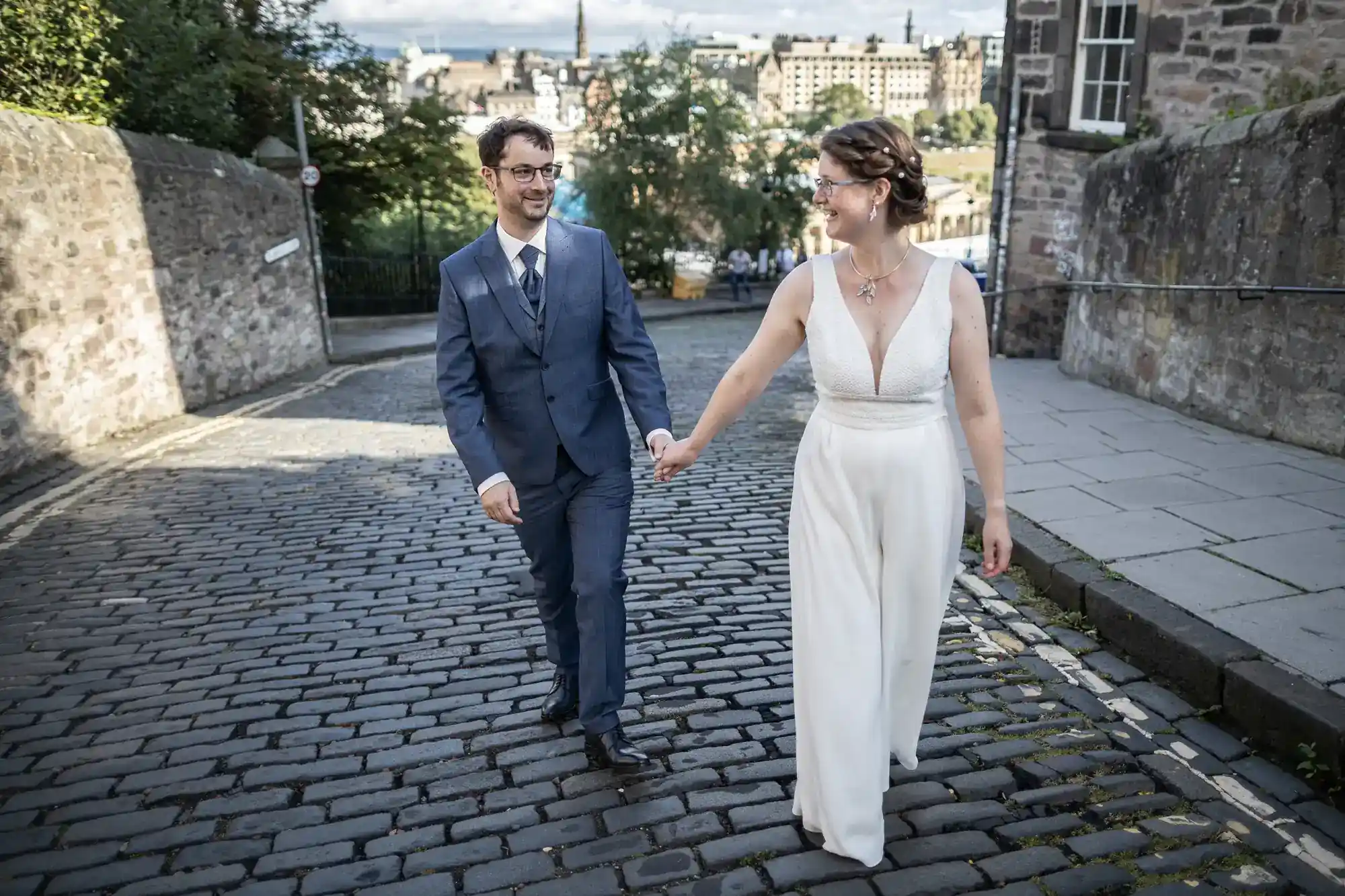
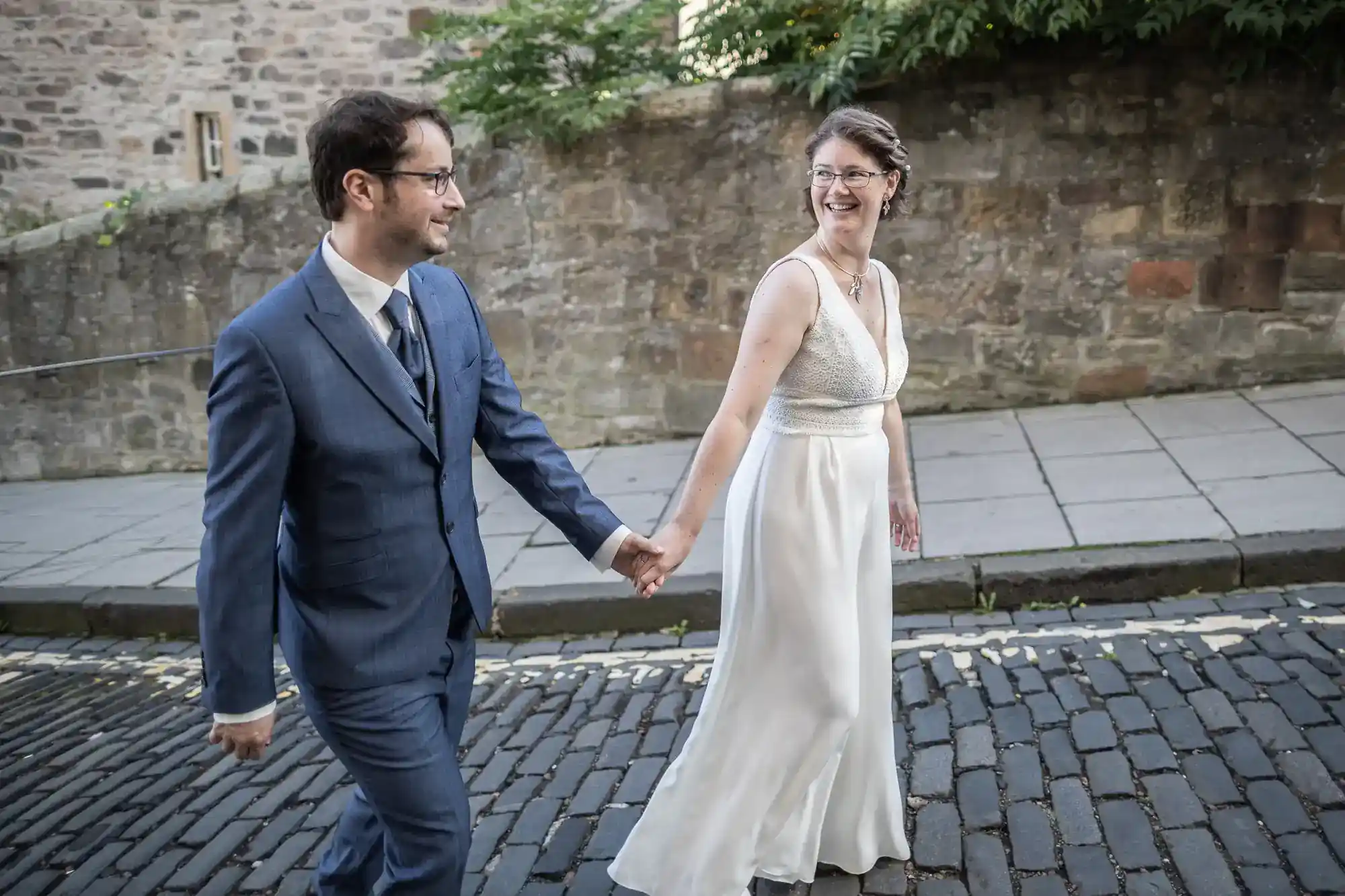
Dean Village
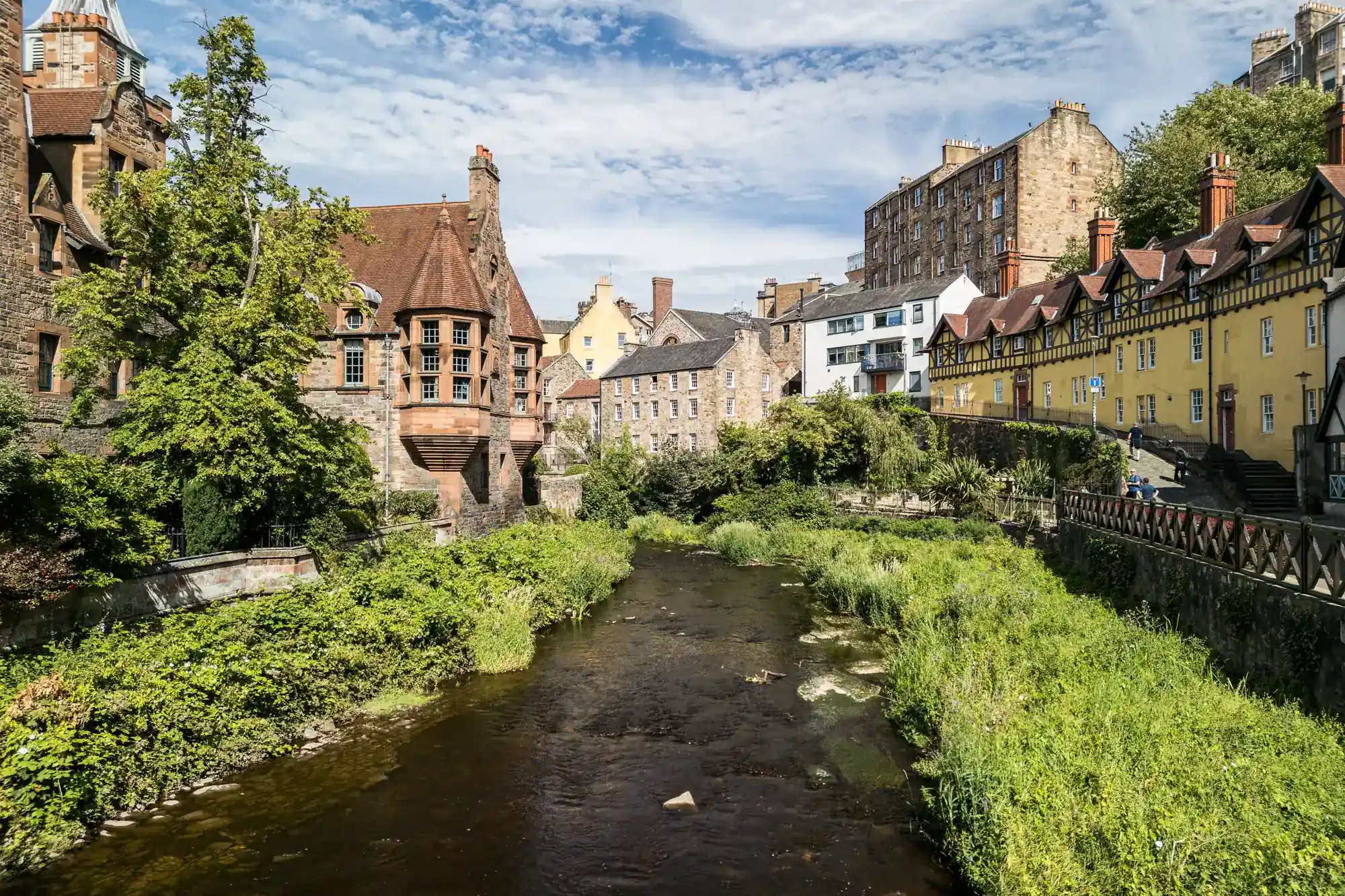
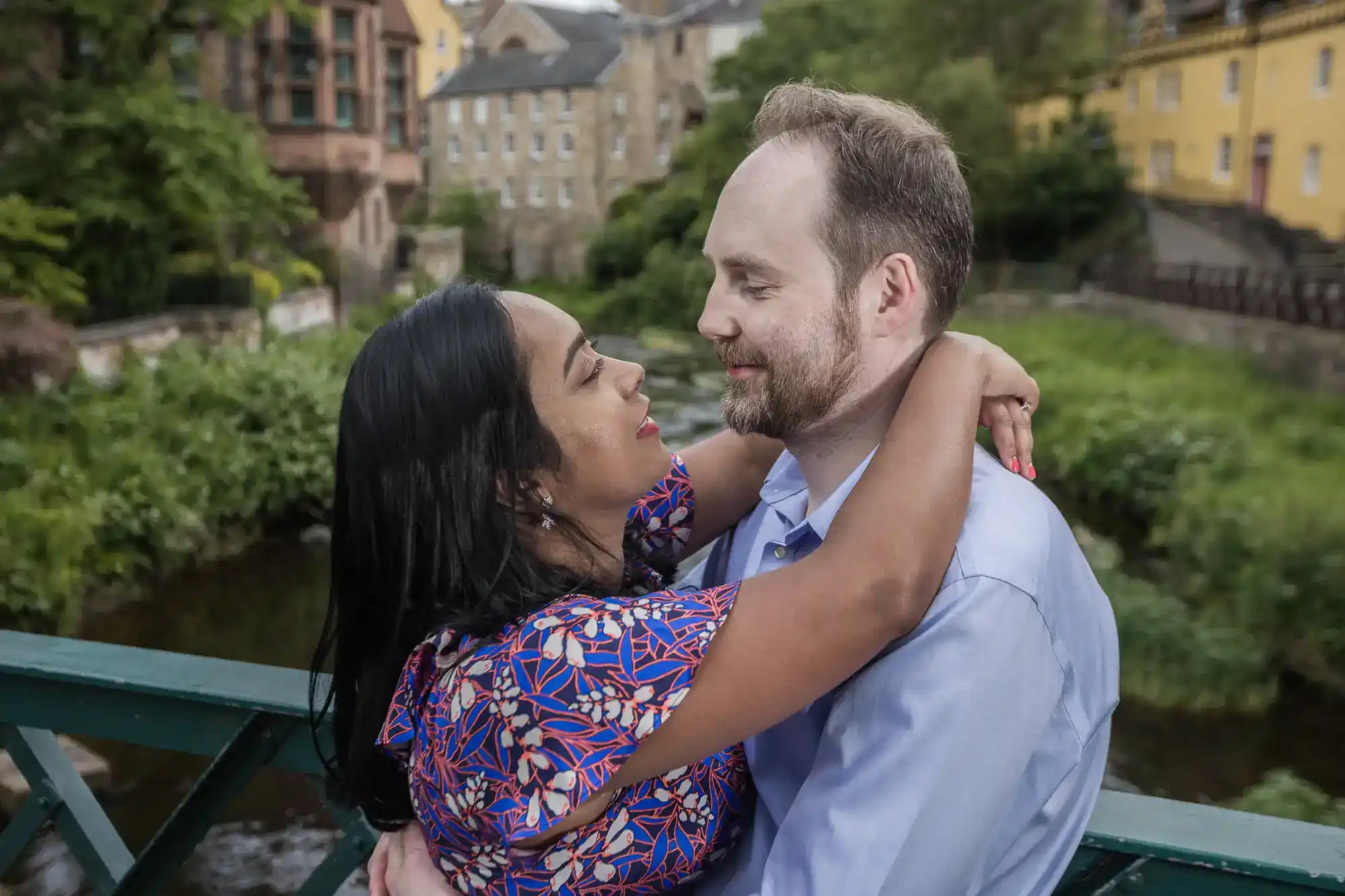
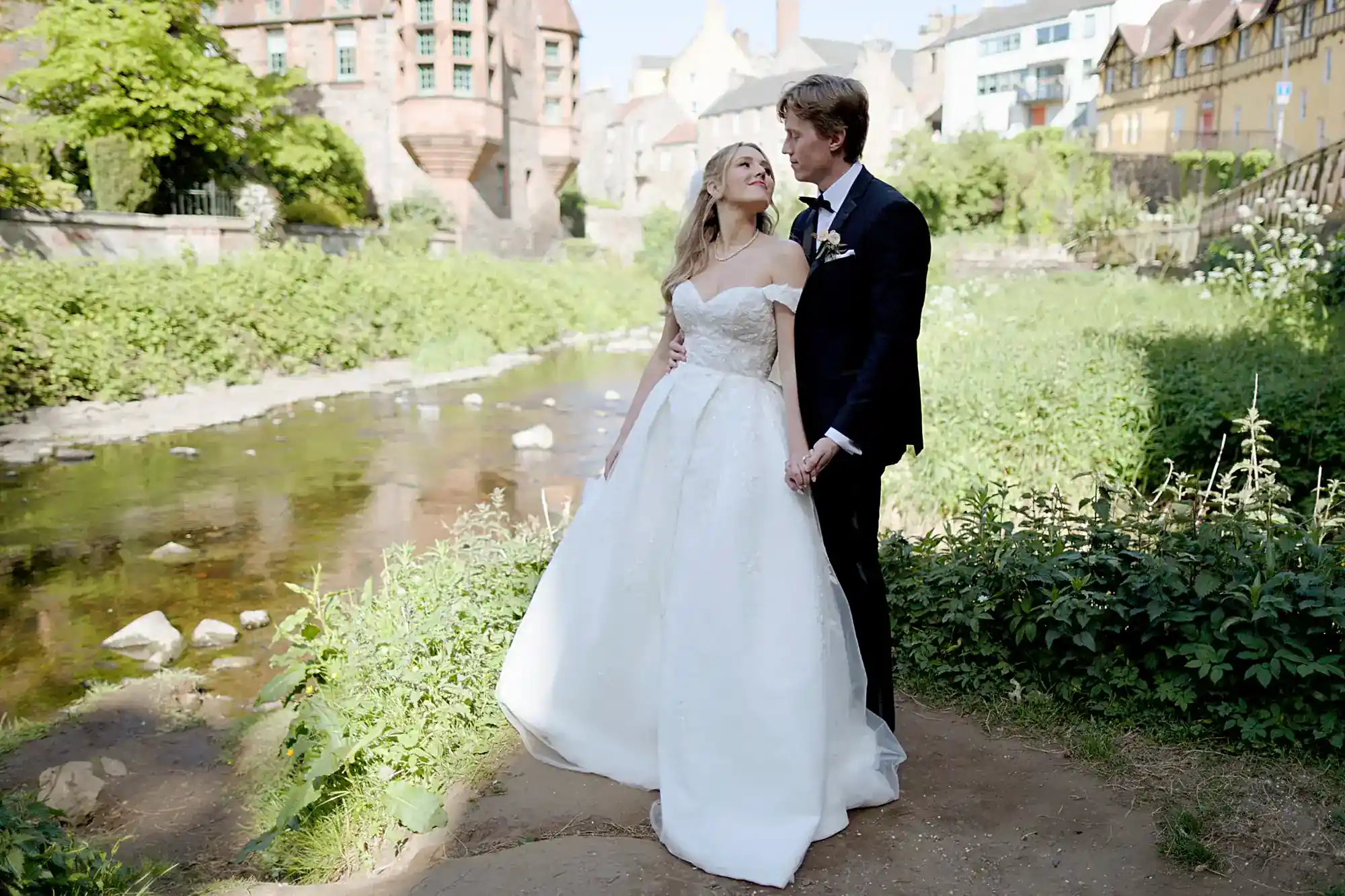
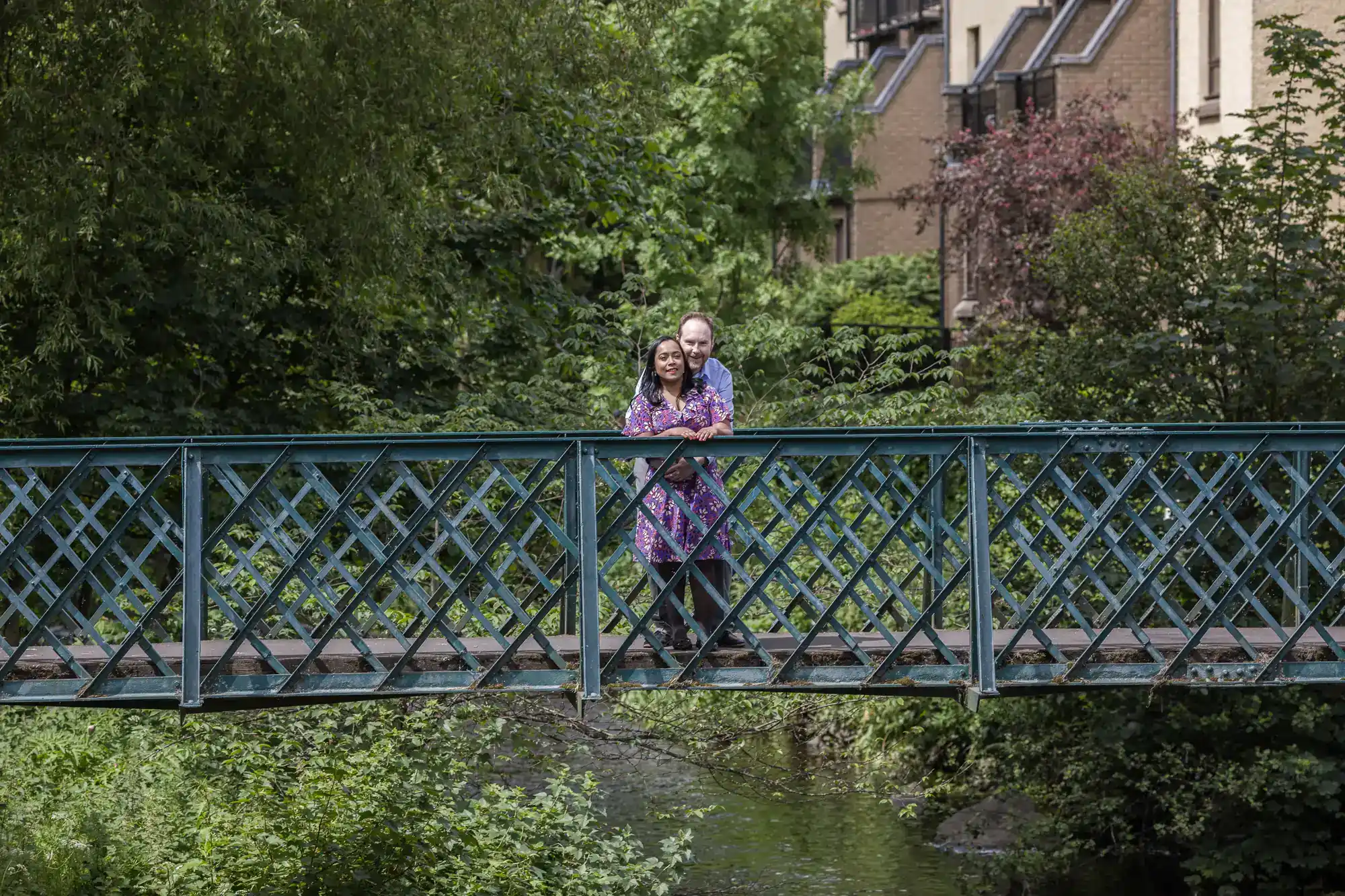
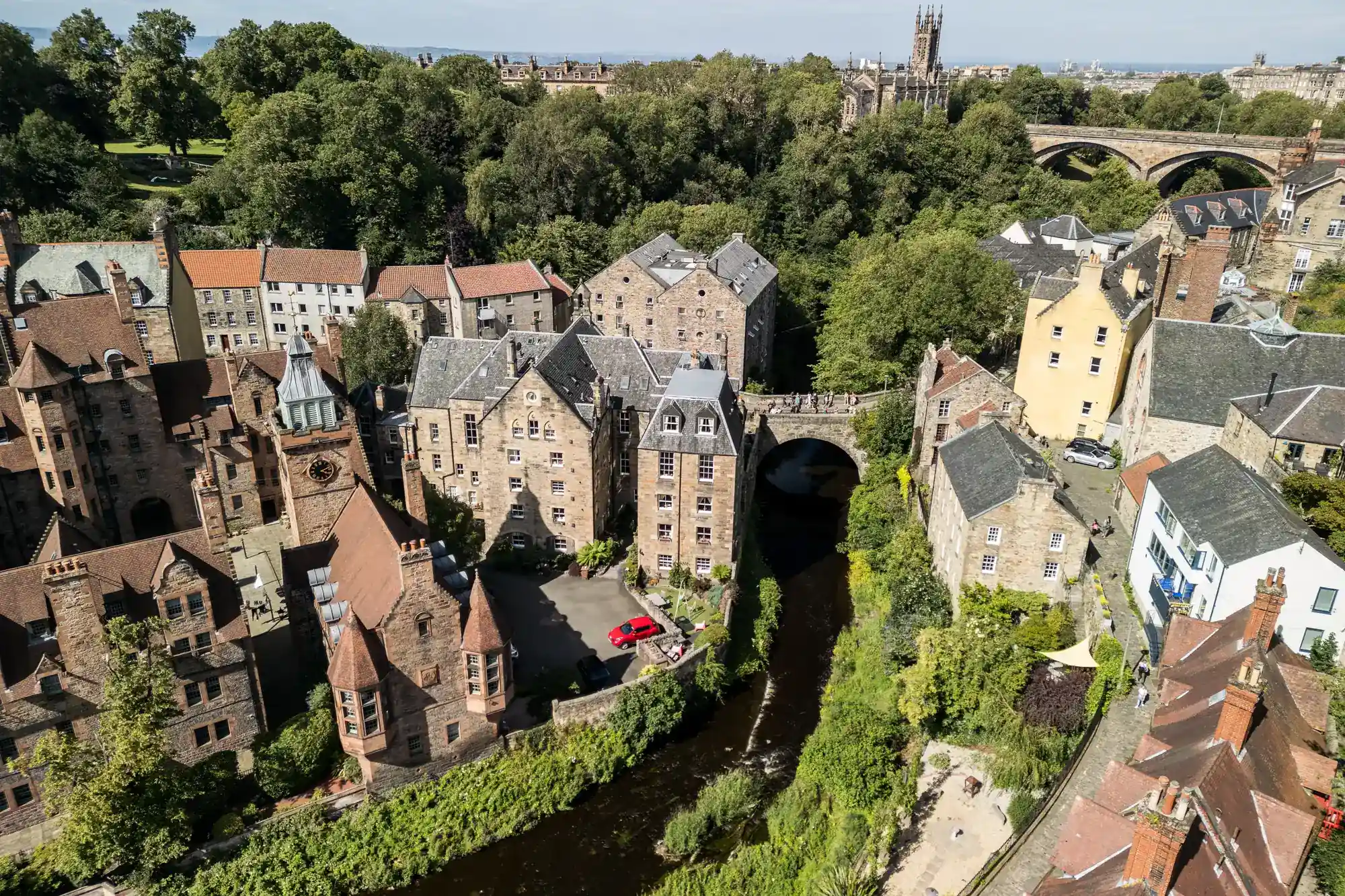
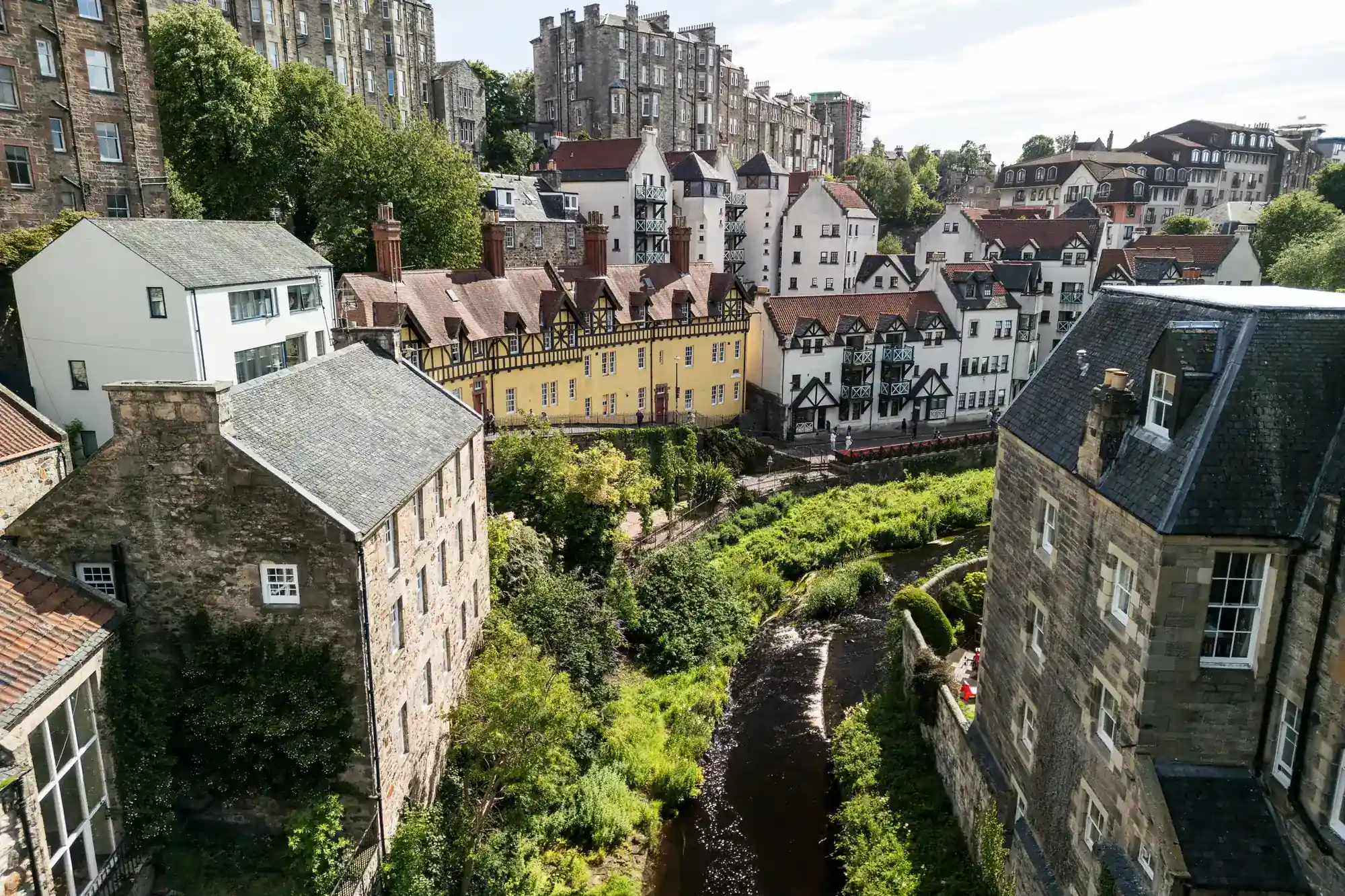
Dean Village is one of the most photogenic places in Edinburgh, tucked into a deep valley along the Water of Leith just a short distance from the city centre. Stone buildings rise directly beside the river, narrow paths follow the water and bridges cross above the village, making it feel surprisingly removed from the streets just beyond it.
That appearance is closely connected to the village’s industrial past. For centuries, the Water of Leith powered grain mills here, and records show mills occupying the site of the surviving West Mill from at least 1573. Milling became the industry around which the community developed, with workers living close to the river and the mills that employed them.
One of the most recognisable buildings today is Well Court, the red-roofed residential complex beside the Water of Leith. John Ritchie Findlay, proprietor of The Scotsman newspaper, commissioned it in the late 19th century as affordable housing for artisans and workers living in Dean Village after the large mills that had sustained the community began to disappear.
Designed by architect A. G. Sydney Mitchell, Well Court included homes arranged around a communal courtyard as well as a hall for reading, recreation and Sunday worship. Its clock tower, warm stonework, red roofs and position beside the river have since made it one of the most recognisable buildings in Dean Village.
For photographs, the view around Damside and the weir, with Well Court rising behind the Water of Leith, is a classic Dean Village scene. The old mill buildings, bridges, river and layers of architecture give you considerably more to work with than a single landmark.
It’s easy to understand why Dean Village has become one of the most popular Edinburgh Instagram spots, but what makes it particularly interesting is that much of the character people photograph today is a visible reminder of the working community that existed here long before it became one of Edinburgh’s best-known visitor attractions.
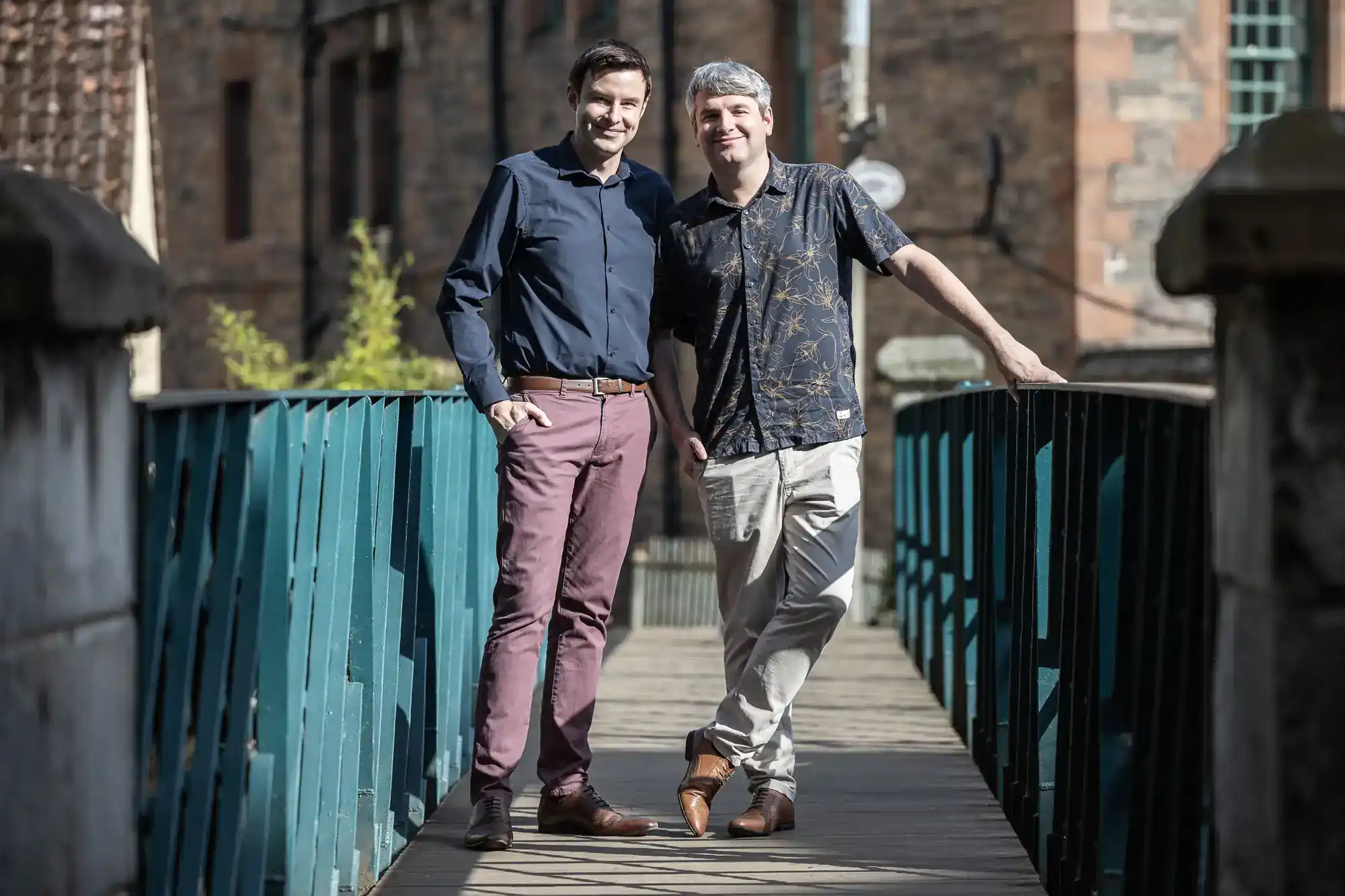
Frequently Asked Questions About Edinburgh’s Most Instagrammable Places
From the best times to visit and how to avoid crowds to Castle views, hidden corners and places that work well for proposals or couple photos, here are answers to some of the most common questions about Edinburgh’s most photogenic spots.
What are the most Instagrammable places in Edinburgh?
Some of the most Instagrammable places in Edinburgh include Victoria Street, Circus Lane, Calton Hill, The Vennel, Arthur’s Seat and Holyrood Park, Princes Street Gardens and Ross Fountain, the Royal Mile, New College and Dean Village.
Victoria Street is one of the city’s most colourful and recognisable streets, while Calton Hill and Arthur’s Seat offer dramatic skyline views. The Vennel and Ross Fountain are two of the best places for photographs with Edinburgh Castle in the background, and Dean Village and Circus Lane offer a quieter contrast to the busier Old Town.
Each has a very different look, which is why Edinburgh has such a strong reputation for photogenic streets, viewpoints and historic architecture.
When is the best time to photograph Edinburgh’s most Instagrammable places?
Early morning is usually best for popular streets such as Victoria Street, Circus Lane and the Royal Mile, when there are fewer people and the city feels calmer.
For viewpoints such as Calton Hill and Arthur’s Seat, sunrise and the hour around sunset can give you softer light and more atmosphere. Overcast days can work brilliantly too, especially around Edinburgh’s stone streets and buildings, because the light is more even and you avoid harsh shadows.
If avoiding crowds matters most, weekday mornings are generally your best bet, particularly outside the busiest summer and festival periods.
Are there any quieter or less obvious places in Edinburgh for photos?
Yes. Some of our favourite alternatives are the closes and courtyards branching off the Royal Mile, where you can step away from the busiest part of the street within seconds. Places such as Advocates Close, Byre’s Close and Milne’s Court give you old stonework, steps, arches and framed city views without relying on one famous viewpoint.
The lower Canongate can also feel noticeably calmer than the upper Royal Mile, while Victoria Terrace gives you a different perspective on Victoria Street from above.
These places aren’t necessarily secret, but they’re useful if you’re looking for less obvious Edinburgh photo spots beyond the locations that appear repeatedly on social media.
Where are the best Edinburgh Castle photo spots?
Two of the best places for photographs with Edinburgh Castle in the background are The Vennel and Ross Fountain in Princes Street Gardens.
The Vennel gives you a tighter, more dramatic view, with the stone steps and Old Town buildings naturally framing the Castle. Ross Fountain gives you a much wider scene, combining the fountain, gardens and Castle Rock in one of Edinburgh’s most recognisable compositions.
For a more distant skyline view, Calton Hill is another excellent option, while parts of the Grassmarket and West Bow can also give you distinctive Castle backdrops.
Do you have to pay to visit Edinburgh’s most Instagrammable places?
Most places in this guide are free to enjoy, including Victoria Street, Circus Lane, The Vennel, the Royal Mile, Calton Hill, Princes Street Gardens, Dean Village and much of Holyrood Park.
You’ll only need an admission ticket if you want to go inside paid attractions such as Edinburgh Castle or the Palace of Holyroodhouse. You can still photograph both from surrounding public streets and viewpoints without buying a ticket.
Some places, such as New College, are working university buildings rather than public attractions, so access can vary and shouldn’t be taken for granted.
If you’re planning a professional or commercial photoshoot, separate photography permissions may apply even where general public access is free.
How can I avoid crowds at Edinburgh’s popular photo spots without being inconsiderate?
The simplest answer is to go early, keep your visit low-key and remember that some of Edinburgh’s prettiest streets are also people’s homes.
This matters especially at places such as Circus Lane and Dean Village. Avoid blocking doorways, keep voices down, don’t set up equipment across narrow paths and move on once you’ve got the photographs you want.
At busier visitor spots such as Victoria Street, the Royal Mile and The Vennel, early mornings are usually much easier. You can also get better photographs by stepping away from the obvious viewpoint or waiting briefly for a gap in foot traffic rather than trying to control the space around you.
A little patience usually gives you a cleaner photograph without disrupting anyone else’s day.
Which Edinburgh Instagram spots work best for proposals or couple photos?
For a dramatic Edinburgh backdrop, The Vennel, Calton Hill and Ross Fountain are all excellent choices. The Vennel gives you a strong Edinburgh Castle view, Calton Hill offers a much wider city skyline, and Ross Fountain combines the Castle with the greenery of Princes Street Gardens.
For something quieter and more intimate, Dean Village, Circus Lane and the Royal Mile closes work particularly well. They give you more opportunities to walk, move and photograph naturally rather than relying on one fixed viewpoint.
The best choice depends on the atmosphere you want, how busy the location is likely to be and which part of Edinburgh you’ll already be in. For surprise proposals especially, having a quieter backup nearby is always useful.
Which scenic Edinburgh locations work well for an elopement?
For couples wanting a more dramatic, natural setting, Arthur’s Seat, Salisbury Crags and St Anthony’s Chapel give you open landscapes and wide views while still being close to the city centre.
For something more architectural, Edinburgh City Chambers, the Royal Mile, The Vennel and Princes Street Gardens can all work beautifully, depending on where your ceremony is taking place and how much time you have for photographs afterwards.
The best location is usually the one that fits naturally into your plans rather than the one that simply looks best on a list. If you’re eloping in Edinburgh, it’s worth choosing one or two nearby places rather than trying to cross the whole city for lots of different backdrops.
Are there Instagrammable wedding venues near Edinburgh?
Yes. If you’re looking for a wedding venue rather than a city-centre photo spot, there are some spectacular options within easy reach of Edinburgh.
Carlowrie Castle combines grand interiors, landscaped grounds and distinctive Scottish Baronial architecture, while Dalhousie Castle offers a much older, more atmospheric setting with stone walls, turrets and extensive grounds.
Both give you a very different look from Edinburgh’s streets and viewpoints while still keeping you close to the city.
You can see more venues with this kind of character in our guide to the best castle wedding venues in Scotland.
What Couples Say About Working With Us
We can tell you how much we enjoy photographing couples around Edinburgh, but it’s more useful to hear from people who have actually been in front of our cameras. Here’s what some of our couples have said about the experience.

They couldn’t help enough
I had a plan to propose in Edinburgh, having never been and not knowing where to propose, they couldn’t help enough easy to contact very helpful and great photos! I asked a few different photographers but as soon as we had a phone call and I could tell how easy they could make my proposal happen it was a no brainer, will definitely be getting a call back for the wedding!

He managed to get some fantastic posed and natural shots of us
Jonathon from Love Wedding Photos And Film [now Jonathon Fowler Photography] was fantastic. Neither my wife or I like to be photographed particularly but he managed to get some fantastic posed and natural shots of us, making us feel at ease along the way. He was kind enough to transport us about Edinburgh to achieve some iconic shots from Calton Hill and the Royal Mile. The photos have been supplied on electronic format with the option to buy prints and albums, which is fantastic. We are both very grateful and pleased with Jonathon Fowler Photography’s [now Jonathon Fowler Photography’s] service, many thanks!

We enjoyed our photo shoot around Edinburgh
We had a wonderful ‘just the two of us wedding’ at City Chambers with Jonathon and Claire. They kindly acted as our witnesses as well as producing wonderful photographs of our special day! We were very relaxed in their company and we found we enjoyed our photo shoot around Edinburgh despite being rather photo shy! We are absolutely delighted with the photographs and our friends and family are enjoying being able to share in our wedding day.
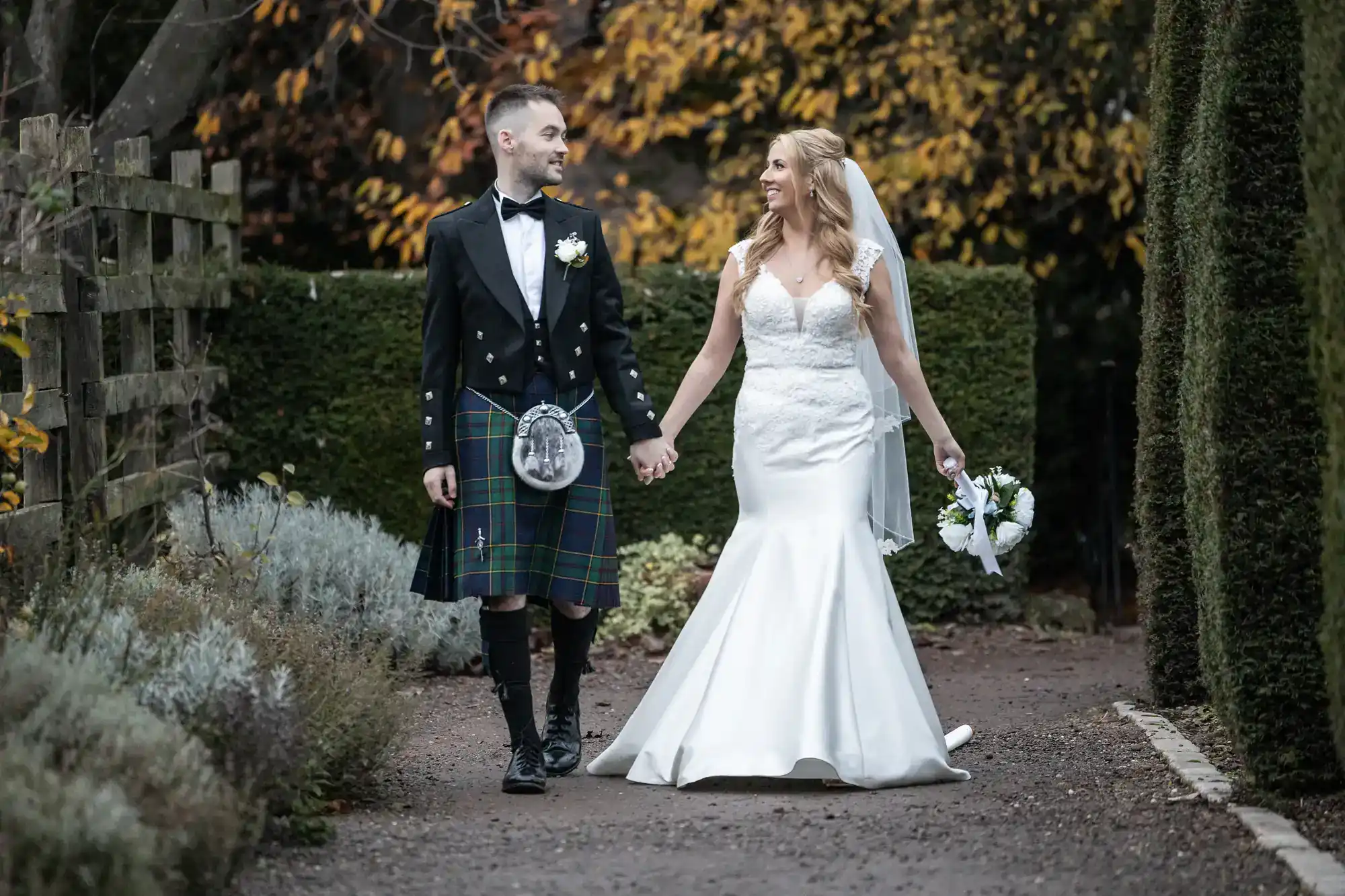
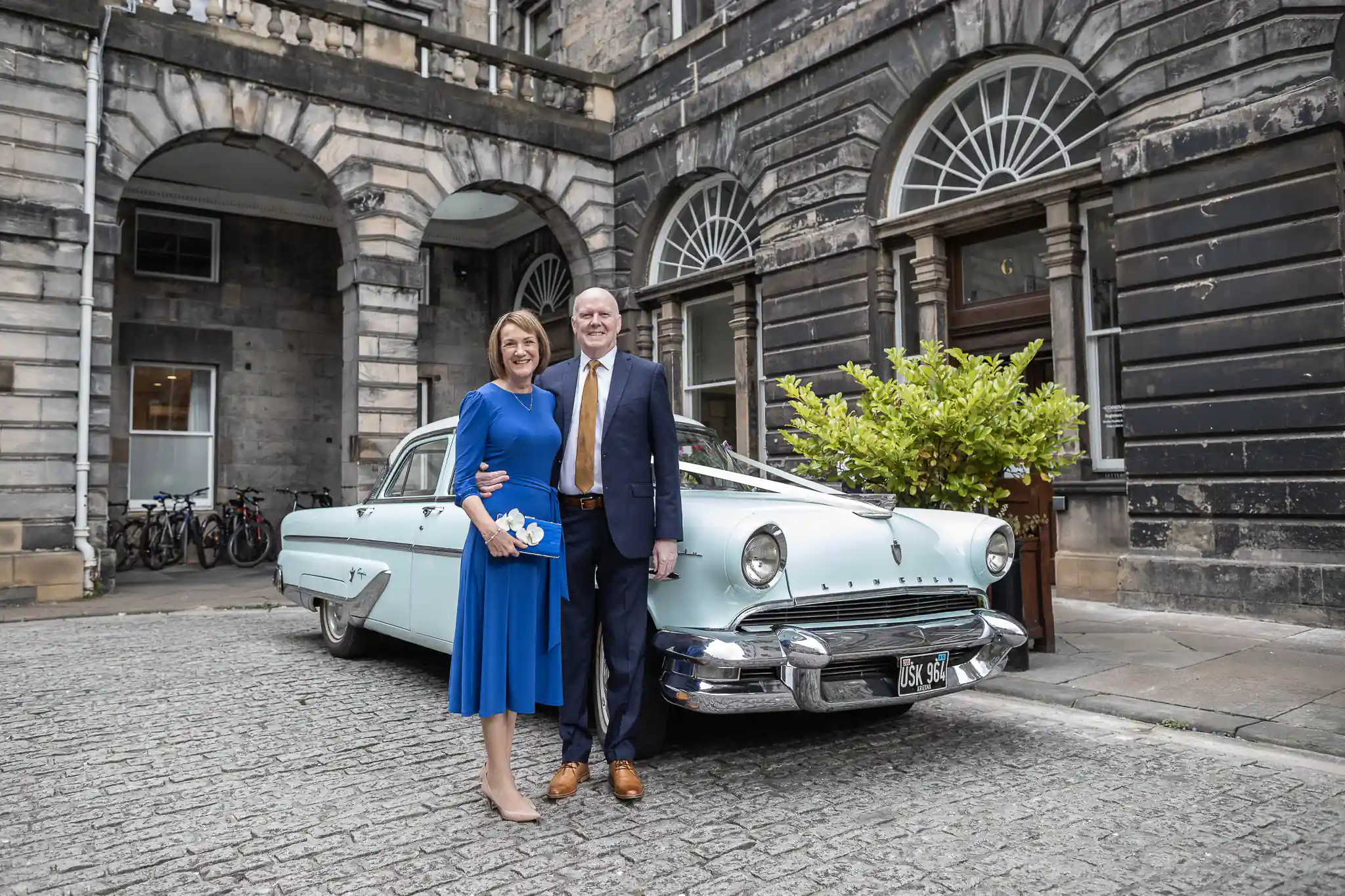
Planning Photos in Edinburgh?
If you’d like photographs at one or more of the locations in this guide, Claire and I can help you choose spots that suit the look you want, the time you have and the part of Edinburgh you’ll already be in.
We’ve photographed hundreds of couples around the city, so we know how these places change with the light, weather, seasons and crowds — and which nearby alternatives work when a location is busier than expected.
If you already have a favourite spot in mind or would like some help choosing, we’re always happy to share our advice.
Tell us a little about what you’re planning, and we’ll check our availability, answer any questions and help you work out what suits you best.There’s no pressure or obligation, and we usually reply within 24 hours.
Related Reading
- Best Edinburgh Photography Locations — Our detailed guide to photographing Edinburgh, including exact viewpoints, the best light and timing, crowds, weather backups and suggested photography routes.
- Engagement Photos: Why You Need a Pre-Wedding Session — Practical advice for planning an engagement or couple photoshoot, including what to wear, how to relax in front of the camera and how to make the most of your session.
- Marriage Proposal Photographer in Edinburgh — Planning a surprise proposal in Edinburgh? See how we help with locations, timings and discreet photography so the moment remains a genuine surprise.
- Edinburgh Elopement Guide — Our first-hand guide to planning an Edinburgh elopement, including ceremony options, locations, suppliers, legal requirements and photography.
- Wedding Photos: Real Moments & Stories — Explore more of our wedding photography from Edinburgh and across Scotland, from relaxed documentary moments to portraits in some of the country’s most photogenic locations.
