
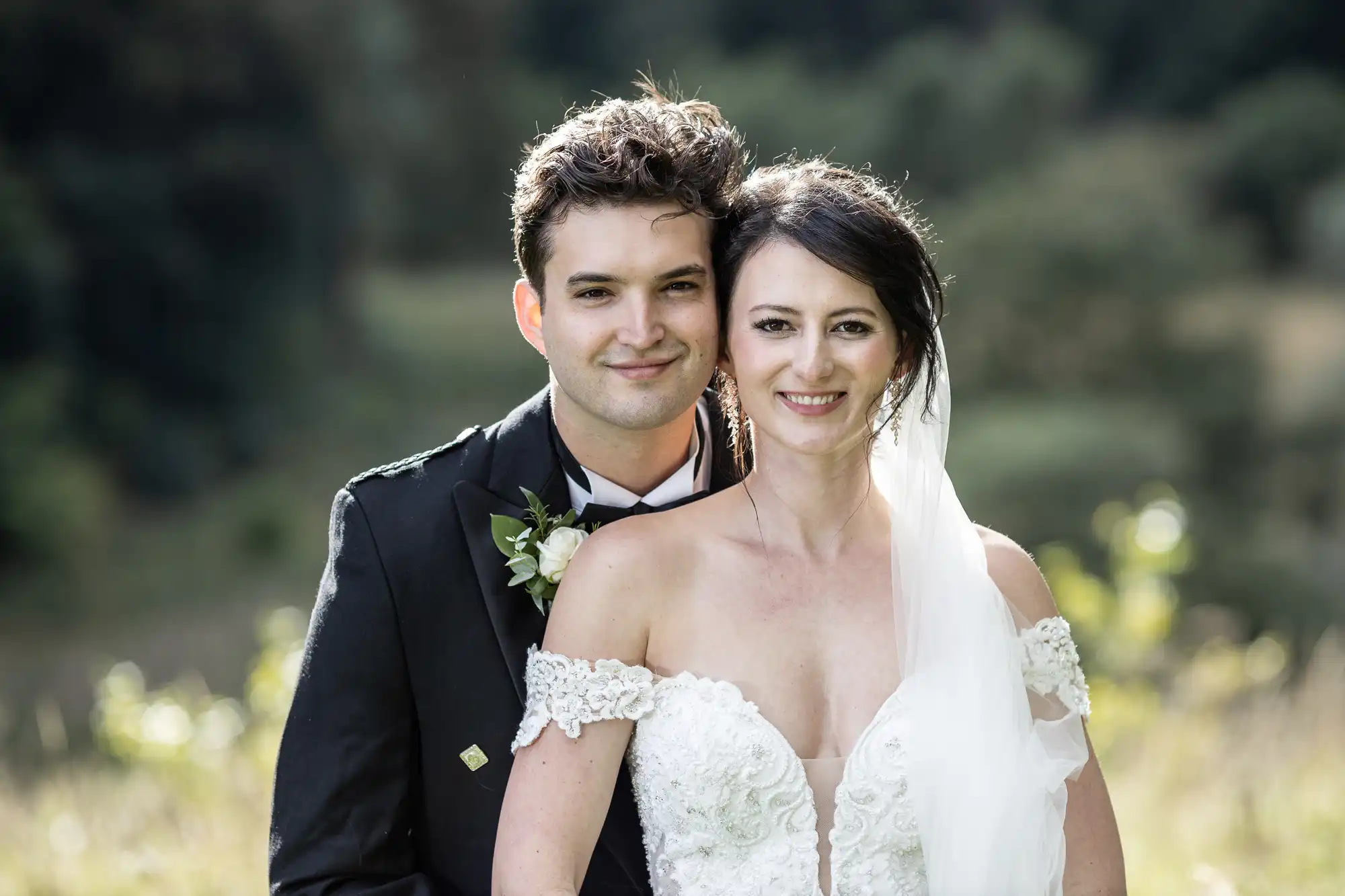
How to Choose an Edinburgh Wedding Photographer
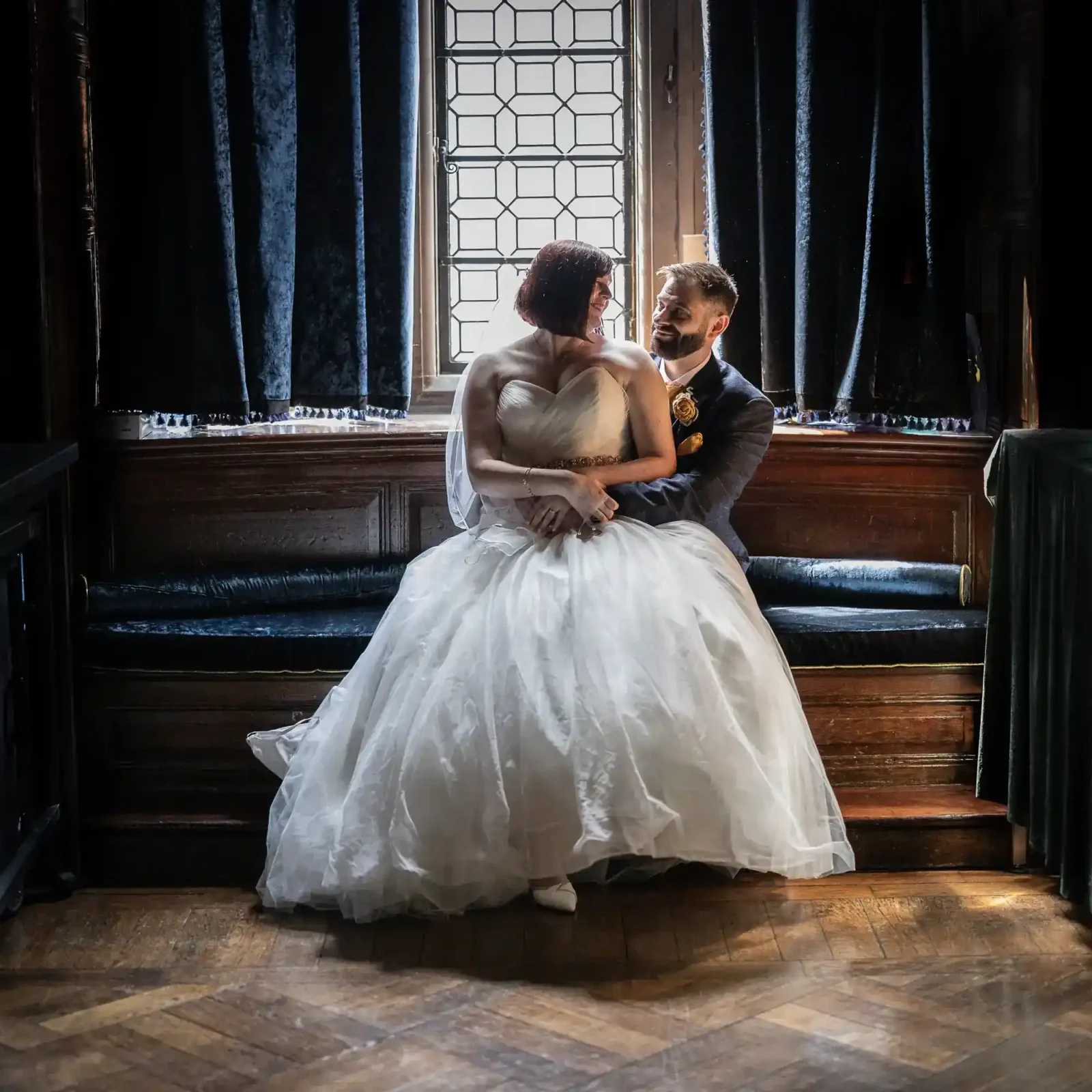
Choosing an Edinburgh wedding photographer isn’t simply about finding a few photographs you love. You’re choosing someone who’ll spend a large part of your wedding day with you and who needs to handle changing light, unpredictable weather, tight timelines, family photographs and moments that can’t be repeated.
After 20 years and more than 700 weddings, including over 500 in Edinburgh, we’ve learned what genuinely matters when comparing photographers. Look beyond a beautiful Instagram grid: check complete wedding galleries, consistency in difficult conditions, experience, backup plans, exactly what’s included in the price and, just as importantly, whether you actually feel comfortable with the person behind the camera.
This guide explains how to choose a wedding photographer step by step, including what we’d look for ourselves, the questions worth asking and the warning signs we wouldn’t ignore.
Define your style
Work out what kind of photographs you’re drawn to
You don’t need to know photography terminology before choosing a wedding photographer. What matters is recognising the kind of photographs you naturally respond to and finding someone whose existing work already looks like that.
Most wedding photographers blend several approaches rather than working in one rigid style.
Documentary wedding photography: Natural, unscripted photographs of real moments as they happen, with minimal interruption.
Editorial wedding photography: More polished and deliberately composed images, often with stronger direction, fashion-inspired posing and attention to styling.
Traditional wedding photography: Classic portraits, family groups and important moments photographed in a more structured way.
Fine-art wedding photography: Usually more considered and artistic in composition, light and colour, with an emphasis on creating visually distinctive images.
Many photographers combine elements of all four. Our approach, for example, mixes natural documentary coverage with editorial and documentary wedding photography when a little more direction creates a stronger photograph.
The important thing is to choose someone whose real wedding galleries already match what you like. Don’t book a photographer with a completely different style and expect them to change their editing or approach for your wedding.


Start your search early
How early should you book a wedding photographer?
There’s no single rule, but once you know your wedding date and have found a photographer you really want, it makes sense to check their availability sooner rather than later.
Popular Saturdays and dates during the busier wedding season can book well in advance. Some couples contact us around two years before their wedding, while others book much closer to the day.
We typically photograph around 40–50 weddings each year, so availability varies considerably by date.
Do your research properly rather than rushing, but once you’ve found the right photographer and are happy with their work, approach and terms, there’s little benefit in delaying the booking.
Review portfolios and websites
Look beyond the highlights
A photographer’s homepage and Instagram feed will naturally show some of their strongest images. That’s useful for getting a feel for their style, but it doesn’t tell you how consistently they photograph an entire wedding day.
Consistency: Look for strong work across different weddings, venues, seasons and lighting conditions — not just a handful of spectacular portraits.
Storytelling: A good wedding gallery should feel like a complete story, with the big moments, small reactions, family photographs, details and atmosphere all working together.
Variety: Look for a balance of natural moments, family groups, portraits, details and evening photographs rather than one type of image repeated again and again.
Ask to see complete wedding galleries
Don’t judge a photographer solely by their portfolio highlights. Ask to see at least one complete delivered wedding gallery so you can judge how consistently they photograph preparations, the ceremony, family groups, portraits, speeches, low-light interiors and the evening reception.
Recent full galleries are particularly useful because they show you what the photographer is producing now, not simply their favourite images from the last ten years.


Meet with potential photographers
Meet before you book
Once you’ve narrowed your shortlist down, arrange a quick meeting — in person or by video call. You don’t need a formal interview, but you should leave feeling confident that the photographer understands the kind of day you’re planning and that you’d be comfortable having them around you and your guests.
Ask useful questions: Find out how they approach the wedding day, what happens if timings change, how they handle difficult weather or low light, when you’ll receive your photographs and what backup plans they have. Our questions to ask a wedding photographer guide gives you a much fuller checklist.
Talk about what matters to you: If there are particular people, traditions, locations or moments that are especially important, mention them. A good photographer should listen first rather than immediately trying to fit your wedding into the way they always work.
Pay attention to how you feel: Your photographer will be close by during some very personal moments, so personality matters. You don’t need to become best friends, but you should feel relaxed, heard, and confident they’ll fit naturally into the day.
Consider experience and reviews
Experience matters — but look at the right kind
Years in business can be reassuring, but the more useful question is what that experience actually includes. A photographer who has worked through winter darkness, heavy rain, delayed timelines, difficult ceremony lighting and busy city-centre weddings is less likely to be thrown when the day doesn’t go perfectly to plan.
Relevant wedding experience: Look for photographers who regularly photograph weddings similar to the one you’re planning. An intimate City Chambers elopement, a large hotel wedding and a dark winter church ceremony all present very different challenges.
Consistency under pressure: Experience should show in more than the portfolio. Ask how they handle poor weather, late-running ceremonies, low light, family groups and unexpected changes to the timeline.
Read independent reviews
Reviews are most useful when they tell you what it was actually like to work with the photographer, not simply that the photographs were beautiful.
Look for repeated comments about communication, reliability, making camera-shy couples feel comfortable, organising groups efficiently, remaining unobtrusive and delivering what was promised. Google reviews and established wedding platforms are particularly useful because you can compare patterns across many different couples rather than relying only on testimonials selected for the photographer’s own website.

Evaluate packages and pricing
Compare what you’re actually getting
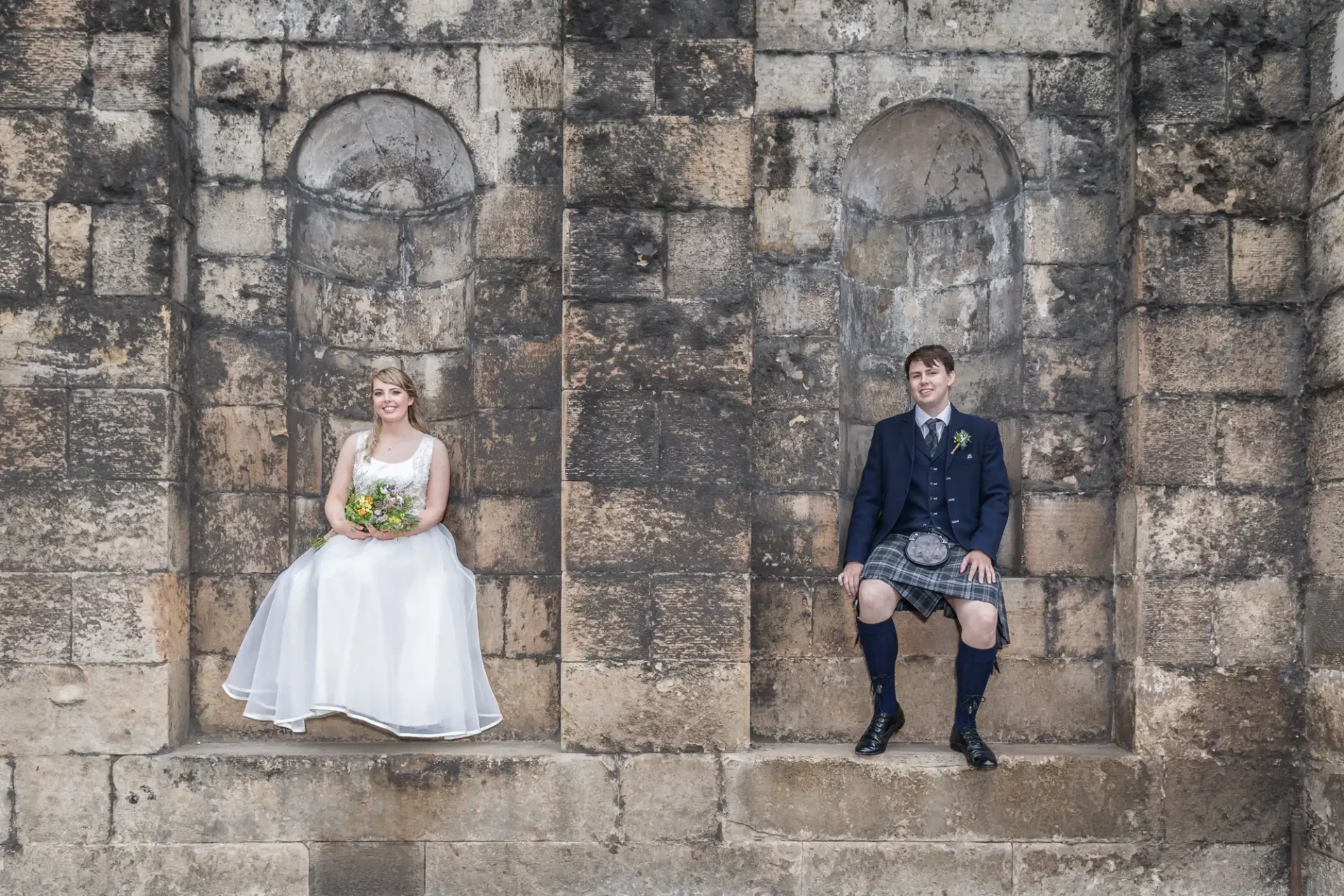
Price matters, but comparing photographers purely by the headline figure can be misleading. Two packages that look similarly priced may include very different levels of coverage, experience and service.
Coverage: Check how many hours are included and what parts of the day that realistically covers. “Full day” can mean different things to different photographers, so make sure you know when coverage starts and finishes.
Number of photographers: Find out whether the package includes one or two photographers. A second photographer can be useful when you want simultaneous coverage of different parts of the day, but it should be clear whether this is included or an optional extra.
What you receive: Check approximately how many edited photographs you’ll receive, how they are delivered, whether high-resolution downloads are included and what personal printing and sharing rights you have.
Extras and additional costs: Ask whether albums, engagement sessions, extra evening coverage, travel or other additions cost extra so you can compare the true overall price.
Payment terms: Make sure you understand the booking fee, when the remaining balance is due, and what happens if your plans change.
We publish our own Edinburgh wedding photography prices and packages clearly so couples can compare the options before getting in touch.
The cheapest photographer isn’t automatically the wrong choice, and the most expensive isn’t automatically the best. What matters is whether the work, experience, coverage and service justify the price for you.
Check their backup plans and technical preparation
A professional wedding photographer should be prepared for equipment failure, difficult lighting and the unexpected. You don’t need to know which camera brand they use, but you should feel confident that one technical problem won’t stop them photographing your wedding.
Backup equipment: They should carry spare camera bodies, lenses, batteries and memory cards rather than relying on a single set of equipment.
Protecting your photographs: Ask how they record and back up images after the wedding. A sensible workflow should reduce the risk of losing photographs if a memory card, computer, or hard drive fails.
Low-light capability: Weddings often involve dark churches, candlelit rooms and evening receptions. Their full galleries should show they can produce consistent work in less-than-ideal light, not only outdoors on bright summer days.
Contingency plans: Find out what happens if the photographer becomes seriously ill or is genuinely unable to attend. Nobody can guarantee an emergency will never happen, but an experienced professional should have a clear process for handling one.
Two-photographer coverage: If two photographers matter to you, check exactly how that works and whether both are experienced wedding photographers. We’ve explained the practical benefits in our guide to having two wedding photographers.

Review the contract
A professional wedding photographer should provide a written contract before you book. Read it properly rather than assuming every photographer works in the same way — this is where the practical details and responsibilities of both sides should be clearly set out.
Date, coverage and photographer: Check that your wedding date, agreed hours of coverage and who will actually photograph the wedding are clearly stated.
Payments: Make sure the booking fee, remaining balance, payment deadlines and any additional charges are explained.
Cancellation and postponement: Check what happens if you postpone, change your date, or cancel the wedding, and what happens if the photographer genuinely can’t attend.
Delivery: The contract should explain how your photographs will be delivered and give you a realistic timescale.
Image use and copyright: Check what you’re allowed to do with your photographs. Wedding photographers will normally retain copyright while giving couples permission for personal use, downloading, printing and sharing, but the exact licence should be clear in the agreement.
Privacy and publication: If you’re concerned about photographs appearing on a photographer’s website, portfolio, or social media, discuss this before booking rather than assuming.
If anything in the contract is unclear, ask before signing. A photographer should be able to explain their terms in straightforward language.
Red flags when choosing a wedding photographer
Most photographers you speak to are genuine professionals, but a few warning signs are worth watching for before you book.
They won’t show you a complete wedding gallery: A highlights portfolio can hide inconsistency. If someone is reluctant to show how they photograph an entire wedding from start to finish, ask yourself why.
There’s no written contract: Your date, coverage, payments, cancellation terms and delivery expectations should all be clearly documented before money changes hands.
Their backup plans are vague: Equipment can fail, and emergencies can happen. “Don’t worry, it’ll be fine” isn’t really an answer when you’re asking how they protect something that can’t be repeated.
Communication is difficult before you’ve even booked: Slow replies happen occasionally, but repeated poor communication, unanswered questions, or vague information can hint at what dealing with them later may be like.
Their portfolio changes dramatically from wedding to wedding: Some variation is completely normal, but you should be able to recognise a consistent standard, editing style and approach across their recent work.
You feel pressured into booking: Popular photographers can legitimately have limited availability, but you should still get enough information to make an informed decision, not be pushed into paying immediately.
The price isn’t clear: Cheap photography isn’t automatically poor photography and expensive photography isn’t automatically good. The warning sign is when you can’t clearly establish what you’re paying for, what’s included or whether additional charges may appear later.

Trust your instincts
Once you’ve compared the photographs, full galleries, experience, reviews, pricing and contract, there’s still one question left: do you actually feel comfortable with this person?
Your wedding photographer will be with you during some of the most emotional and personal parts of the day. You should feel that they listen to you, communicate clearly and understand what matters to you without making the whole process feel complicated.
If something feels off during the enquiry stage — poor communication, pressure to book, vague answers or simply a personality mismatch — don’t ignore it just because you love the photographs.
Likewise, if you feel relaxed talking to them, trust their experience and can genuinely imagine having them around your family and friends all day, that’s a very good sign you’ve found the right fit.
How to Choose a Wedding Photographer: Quick Checklist
Before paying a booking fee, make sure you can confidently say yes to these:
- I like the photographer’s recent complete wedding galleries, not just their highlights.
- Their style and editing already match the kind of photographs I want.
- They have experience with weddings and conditions similar to mine.
- I understand exactly what the package includes and what it costs.
- I know who will actually photograph my wedding.
- Their backup equipment and contingency plans make sense.
- I’ve read independent reviews from previous couples.
- I’ve read the contract and understand the payment, cancellation and delivery terms.
- I feel comfortable with the photographer and trust them to be part of the day.
If you can tick all nine, you’re probably comparing photographers on the things that genuinely matter rather than simply choosing the prettiest Instagram feed.
Found the Right Edinburgh Wedding Photographer?
Tell us a little about what you’re planning, and we’ll check our availability, answer any questions and help you work out what suits you best.There’s no pressure or obligation, and we usually reply within 24 hours.
Related Reading
- 44 Questions to Ask a Wedding Photographer Before Booking — useful questions covering style, pricing, contracts, galleries, backup plans and delivery.
- Edinburgh Wedding Photography Prices & Packages — compare our coverage options and current pricing.
- Editorial & Documentary Wedding Photography — see how we combine natural documentary coverage with relaxed, polished portraits and when we step in with direction.
- Do You Need Two Wedding Photographers? — when two photographers genuinely add value and when one may be enough.
